Microsoft doubles down on the enterprise with AI-centric Surface refresh
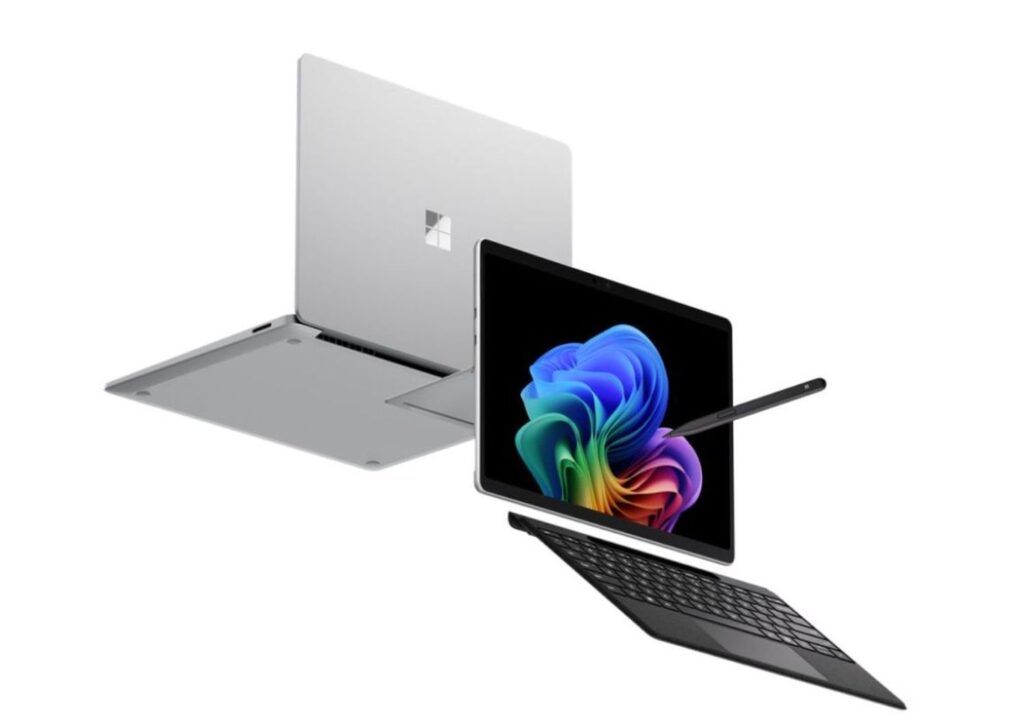
Table of Contents
A strategic pivot toward the corporate fleet
Microsoft has unveiled a sweeping update to its Surface lineup, launching a new suite of hardware designed specifically to anchor the modern corporate environment. The rollout includes a refreshed Surface Pro 13-inch and three distinct Surface Laptop configurations: a 13-inch ultraportable, a 13.8-inch mid-size, and a 15-inch powerhouse. While the aesthetic remains classic Surface, the internals signal a clear shift toward AI-ready infrastructure and a surprising concession to the ‘right to repair’ movement.
The current generation is anchored by Intel’s latest Core Ultra Series 3 processors. However, the real story is the looming arrival of Snapdragon X2-powered variants later this year. By leading with Intel but prepping for ARM, Microsoft is hedging its bets, ensuring immediate compatibility for legacy enterprise software while preparing a high-efficiency, AI-accelerated alternative for users who prioritize battery longevity and local NPU performance over x86 ubiquity.
The haptic shift and privacy screens
The most tangible upgrades are reserved for the 13.8-inch and 15-inch Surface Laptops. Microsoft has finally moved toward a haptic trackpad experience, integrating Windows 11’s tactile feedback systems. Rather than a mechanical click, these pads use actuators to provide subtle responses when users snap windows or align interface elements—a move that brings the Surface closer to the tactile precision found in MacBook trackpads.
More intriguing is the introduction of integrated privacy screens on select models. Unlike the plastic adhesive filters sold by third parties, these are baked into the display architecture. The feature allows users to narrow viewing angles instantly via software, a critical utility for executives working in open-plan offices or transit. For IT administrators, these screens can be managed remotely, adding another layer of security to the company’s data leak prevention (DLP) strategies.
Repairability as a business feature
For years, the Surface line was notorious among IT technicians for its ‘glue-heavy’ construction, making battery or SSD replacements a nightmare. Microsoft is attempting to erase that reputation. The new 13.8-inch and 15-inch laptops, along with the Surface Pro 13-inch, are constructed from 100% recycled aluminum and feature a redesigned internal layout with significantly reduced adhesive use.
The company explicitly states that these devices are designed for field repair using common tools. For the 13-inch Surface Laptop, this includes a removable Gen 4 SSD, allowing for easy storage upgrades without replacing the entire motherboard. By reducing the friction of repair, Microsoft is essentially lowering the total cost of ownership (TCO) for enterprise fleets that typically refresh hardware every three to five years.
Pricing and the AI premium
The cost of this transition is being passed to the buyer. Flagship business configurations, starting with the Intel Core Ultra 5 and 16 GB of RAM, now carry a starting price of $1,949. Microsoft has attributed this price hike to the increased cost of AI-capable silicon and more sustainable materials. Interestingly, a budget-conscious 8 GB RAM variant of the 13-inch laptop is expected to hit the market at $1,299, though it notably lacks the Copilot+ functionality that defines the rest of the line.
The Surface Pro 13-inch remains the most conservative update of the group. While it benefits from the Core Ultra chip refresh and the new chassis materials, it misses out on the haptic trackpad upgrades found in the laptop series, maintaining its position as a versatile, if slightly less refined, productivity tablet.