Lenovo’s MWC 2026 Blitz: Foldable Handhelds, Modular PCs, and the Push for Repairability
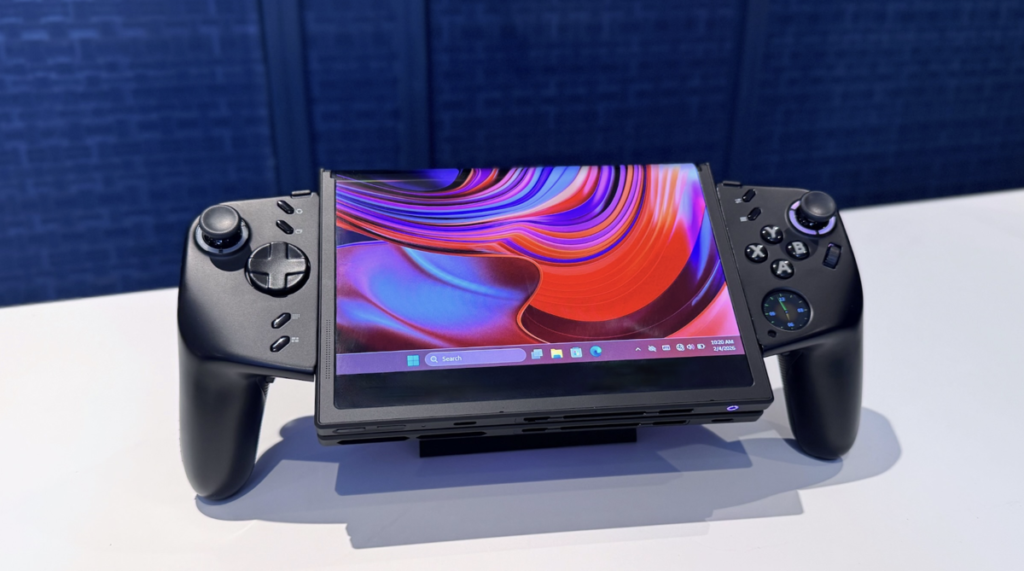
Table of Contents
A Pivot Toward Flexibility and Longevity
Lenovo arrived at Mobile World Congress 2026 not just to refresh its existing catalog, but to signal a fundamental shift in how it views the lifecycle of a PC. While the headlines are dominated by flashy form factors, the underlying narrative of Lenovo’s Barcelona showcase is a strategic pivot toward modularity and repairability—a move that suggests the company is finally listening to the growing consumer demand for sustainable electronics.
The most ambitious expression of this philosophy is the ThinkBook Modular AI PC Concept. Rather than a static chassis, this prototype adopts a philosophy similar to Framework, allowing users to swap ports and peripheral modules on the fly. The device features integrated pogo-pin connectors for stable power and data transfer, paired with a detachable secondary display and keyboard. By decoupling the core processing unit from the peripherals, Lenovo is experimenting with a future where a laptop upgrade doesn’t require replacing the entire machine.
This commitment to longevity isn’t limited to concepts. Lenovo is doubling down on the ‘Space Frame’ design language first teased in the ThinkPad X1 Carbon Gen 14 Aura Edition at CES. The new 2026 T-Series models are arriving with significantly more repairable internals, addressing one of the primary criticisms of enterprise hardware: the tendency for a single component failure to brick an entire motherboard.
Folding the Gaming Experience
On the consumer side, the star of the show is undoubtedly the Legion Go Fold Concept. Following weeks of leaks, Lenovo confirmed a handheld that attempts to bridge the gap between a portable console and a full-fledged workstation. The device features a 7.7-inch POLED display that unfolds into a massive 11.6-inch canvas.
What separates the Legion Go Fold from a standard foldable tablet is its utility. It ships with a detachable wireless keyboard, transforming the handheld into a clamshell Windows laptop. The hardware under the hood is equally aggressive, sporting an Intel Lunar Lake chip and 32GB of RAM, suggesting that Lenovo is targeting the high-end enthusiast market rather than casual gamers. The inclusion of specific internal specs for a ‘concept’ device typically indicates a product is closer to production than a mere laboratory experiment.
The Convergence of AI and Physical Space
Lenovo is also attempting to move AI off the screen and onto the desk. The company unveiled two distinct tabletop companions: the consumer-facing AI Work Companion and the enterprise-grade AI Workmate.
The AI Workmate, which resembles a robotic arm with a screen for a face, is designed for spatial interaction. According to official statements, it processes inputs locally—a critical detail for business clients concerned about data privacy—and can project content onto physical surfaces to assist in presentation building. Meanwhile, the AI Work Companion focuses on digital wellness, utilizing a ‘Thought Bubble’ system to sync schedules across devices and alert users when they are approaching burnout thresholds.
Mainstream Hardware Updates
Between the prototypes, Lenovo is shipping several high-profile updates to its core lines. The Yoga 9i 2-in-1 Aura Edition leads the charge, featuring the Intel Core Ultra Series 3 chip and a regained headphone jack—a small but significant victory for users. The new model also introduces a magnetic stylus case that triggers a dedicated ‘Canvas mode’ for digital artists. The Yoga 9i is slated for a May release with a starting price of $1,949.
For the enterprise sector, the company is refreshing its ThinkPad and ThinkBook lineups with updated 5MP cameras and improved audio arrays across the T-Series, ensuring that the 2026 fleet is better equipped for the hybrid work era.