Leaked Benchmarks Point to Surface Laptop 8 Powered by Intel’s Panther Lake
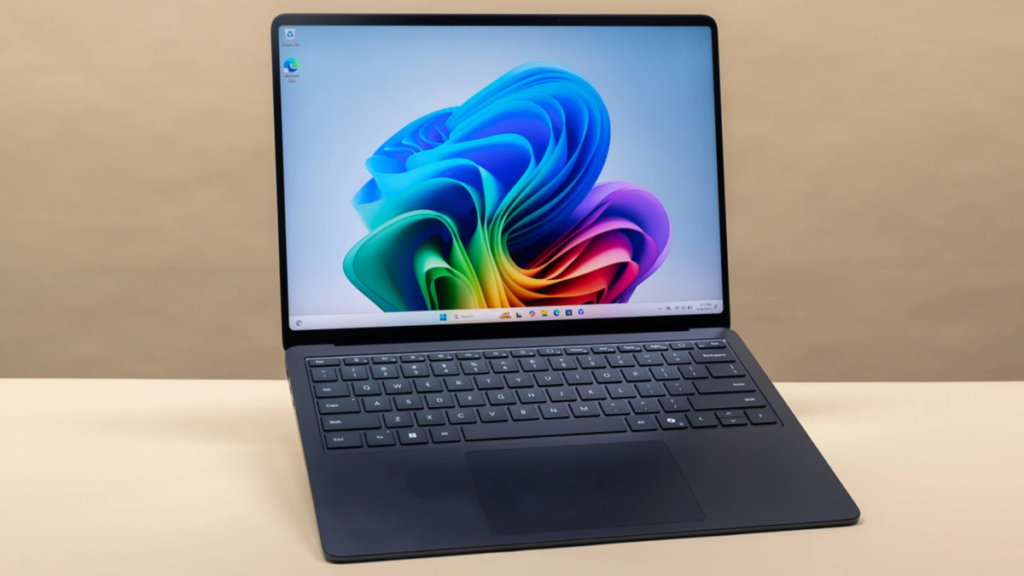
Table of Contents
A slip in the database
Hardware leaks often arrive via slow drips of social media rumors, but the most reliable evidence usually comes from the cold, hard data of benchmark listings. This week, a brief appearance in the Geekbench 6 database provided a glimpse at Microsoft’s next move in the premium portable space: the Surface Laptop 8.
Two distinct listings appeared earlier this week, which were quickly spotted by Mashable and archived by Notebookcheck before being scrubbed from the Primate Labs servers. The listings specifically identified the machine as the “Microsoft Corporation Surface Laptop for Business 13.8in 8th Ed Intel.” While Microsoft has remained tight-lipped—stating they have “nothing further to share at this time”—the technical signatures left behind tell a specific story about the company’s silicon trajectory.
The Panther Lake factor
The most striking detail in the leak is the processor. The device is powered by an Intel Core Ultra X7 368H chip, part of the upcoming Panther Lake family. This represents a significant pivot from the current Surface Laptop 7, which leaned heavily into Qualcomm’s Snapdragon X series to compete with Apple’s efficiency. By integrating Panther Lake, Microsoft is betting on Intel’s latest architecture to bridge the gap in both performance and power management.
The leak also confirms the inclusion of Arc B390 graphics and 32GB of RAM. In multi-core scenarios, the benchmarks show the Surface Laptop 8 performing on par with the M5 MacBook Air and other high-end Windows laptops utilizing the slightly lower-clocked Core Ultra X7 358H. For business users, this suggests a machine capable of heavy multitasking and creative workloads without the thermal throttling that plagued earlier Intel-based Surface models.
A shifting release cadence
The naming convention “for Business” is a crucial detail. Historically, Microsoft has staggered its releases, often launching consumer-facing ARM versions first, followed by Intel-based enterprise models. However, recent reporting from Windows Central suggests a flip in this strategy. There are indications that Intel-based Surface Laptops and Pros may lead the charge this spring, with Snapdragon X2 variants arriving later in the summer.
This strategic shift likely stems from two factors: the varying adoption rates of ARM-based Windows in corporate environments and potential supply chain constraints surrounding Qualcomm’s next-generation silicon. By leading with Intel, Microsoft ensures a stable launch for its most lucrative enterprise customers before pivoting to the efficiency-focused consumer market.
More than just a chip swap
While the benchmarks focus on internals, the leaked context hints at a broader hardware refresh. The 13.8-inch chassis is expected to remain, but insiders suggest the 8th Edition will introduce a long-awaited optional OLED display, which would bring the Surface Laptop’s visuals in line with the XPS and MacBook Pro series. Additional refinements are expected in haptic feedback and a refreshed color palette.
The timing of this leak coincides with a period of financial volatility for the Surface line. Earlier this month, Microsoft implemented price increases across its current lineup, attributing the move to rising costs for memory and components. A more powerful, Panther Lake-driven laptop may be Microsoft’s way of justifying a higher price floor for the next generation of hardware.


