Lamborghini CEO Validates EV Pivot as Ferrari Luce Sparks Purist Backlash
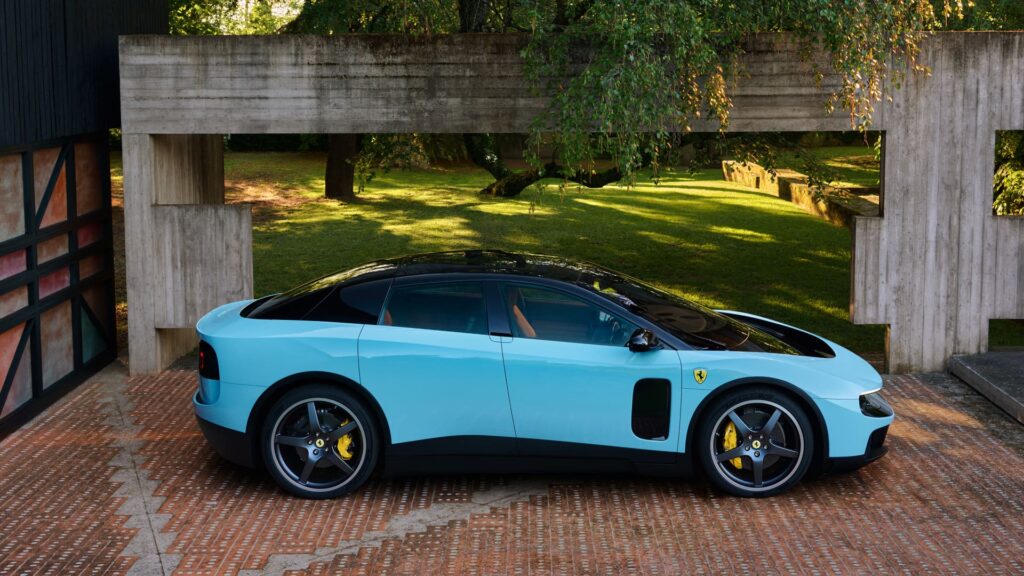
Table of Contents
The Luxury Electric Identity Crisis
The tension between heritage and electrification has reached a boiling point in the Italian supercar sector. Following the polarizing debut of the Ferrari Luce—the marque’s first foray into a fully electric future—Lamborghini CEO Stephan Winkelmann has signaled that his company’s decision to retreat from a pure-battery roadmap was not just a strategic pivot, but a necessary one.
In a recent conversation with CNBC, Winkelmann described the move to prioritize plug-in hybrid electric vehicles (PHEVs) over the all-electric Lanzador and a planned EV variant of the Urus SUV as “the right way to go.” The admission comes as a subtle validation of Lamborghini’s caution, contrasting sharply with the immediate market and cultural friction following Ferrari’s reveal.
Reading the ‘Acceptance Curve’
For luxury manufacturers, the transition to electric is not merely a technical challenge, but a branding gamble. The core demographic for these vehicles—high-net-worth collectors—tends to value the visceral, mechanical experience of an internal combustion engine over the silent efficiency of a battery.
Winkelmann noted that by closely observing market dynamics, Lamborghini identified a plateau in the “acceptance curve” for full EVs among its clientele. This insight led the Volkswagen Group-owned brand to steer away from the all-electric cliff and toward a hybrid middle ground that retains the auditory and tactile soul of a supercar while meeting tightening emissions regulations.
“Innovation is paramount,” Winkelmann stated, though he cautioned that technology should not be forced upon customers for the sake of novelty. This philosophy suggests a fundamental disagreement with the approach taken by Ferrari, where innovation in the Luce was pushed to its aesthetic and mechanical limits.
The ‘Design Hate’ Effect
The Ferrari Luce didn’t just trigger a debate about powertrains; it ignited a firestorm over aesthetics. Designed in collaboration with former Apple design chief Jony Ive, the Luce represents a radical departure from Ferrari’s traditional design language, opting for a minimalistic, screen-heavy interior and a streamlined, almost “bubbly” exterior that has alienated longtime enthusiasts.
The market reaction was swift. Ferrari shares tumbled approximately 8% in Milan and 5.3% in New York following the unveiling. Michael Field, chief equity strategist at Morningstar, attributed this volatility to a perceived dilution of the brand, noting that fans fear the loss of the raw power and classic silhouettes that define the Prancing Horse.
The criticism has extended beyond investors to the highest levels of Italian industry and government. Luca di Montezemolo, the former Ferrari chairman, went as far as suggesting that the prancing horse logo should be removed from the vehicle—a scathing critique from a man who helped shape the brand’s modern era. Italian Deputy Prime Minister and Transport Minister Matteo Salvini has similarly expressed dissatisfaction with the direction.
The PHEV Hedge
Lamborghini’s strategic retreat to hybrids reflects a broader trend across the automotive industry, where the initial euphoria over EVs has met the reality of charging infrastructure gaps and a cooling of consumer demand. By doubling down on PHEVs, Lamborghini is hedging its bets—offering the environmental credentials of electrification without abandoning the combustion engine that defines its identity.
While Winkelmann declined to criticize Ferrari directly, asserting that “every brand, every company has to decide for themselves,” the subtext is clear: in the world of ultra-luxury cars, the fastest way to move forward may actually be to slow down the transition to electric.


