Israel Seizes Historic Beaufort Castle as Netanyahu Pushes Operations North of Litani River
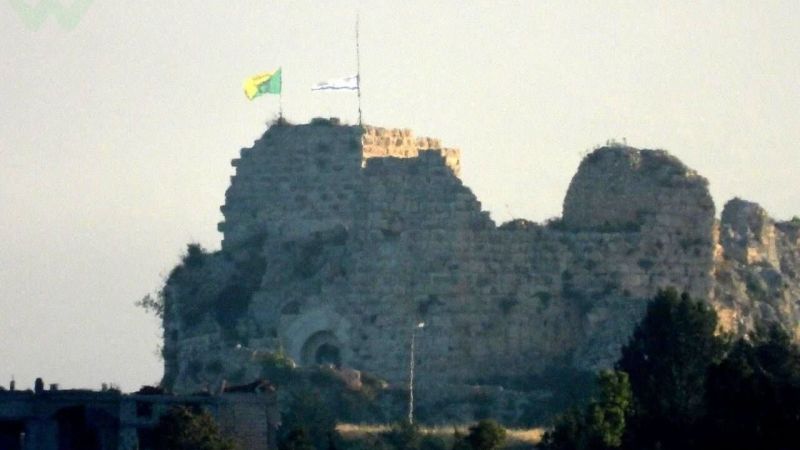
Table of Contents
A Strategic Foothold in Southern Lebanon
The Israel Defense Forces (IDF) have officially captured Beaufort Castle, a medieval Crusader-era fortress perched on a cliff in southern Lebanon. The seizure marks the first time Israeli forces have held the site in 26 years and comes amid a broader, intensifying offensive ordered by Prime Minister Benjamin Netanyahu to push deeper into Lebanese territory.
Located near the city of Nabatiyeh and approximately 9 miles from the Israeli border, the castle dominates the surrounding landscape, providing an expansive tactical view of the Litani River valley. According to an IDF statement released Sunday, the operation focused on securing the Beaufort Ridge and the Wadi al-Saluki area to dismantle Hezbollah infrastructure used for coordinating attacks against northern Israel.
“The operation began several days ago, during which a significant number of IDF ground soldiers commenced offensive operations aimed at expanding the Forward Defense Line,” the military stated. The IDF further alleged that Hezbollah had utilized the ridge to manage military activities and launch strikes into Israeli territory.
Cultural Heritage Under Fire
The capture of the castle raises significant concerns regarding the preservation of global heritage. Beaufort Castle is recognized by UNESCO as one of the most well-preserved examples of medieval military architecture in the Near East. In late 2024, following the onset of the ground invasion, UNESCO granted the fortress provisional enhanced protection—the highest level of immunity intended to prevent cultural sites from being targeted or used for military purposes.
This is not the first time the site has been caught in the crossfire. During the 1982 conflict, the castle was the scene of brutal fighting between the IDF and the Palestine Liberation Organization (PLO). During the subsequent 18-year Israeli occupation, UNESCO reports that the structure sustained significant damage before Israeli forces finally withdrew in 2000.
Local authorities in the Arnoun Municipality had previously urged international organizations to intervene and protect the site, reporting intense bombardment and air raids in the vicinity just days before the IDF fully secured the perimeter.
Expanding the Conflict Beyond the Litani
The seizure of Beaufort is more than a symbolic victory; it is part of a shift in Israeli strategy. Prime Minister Netanyahu has explicitly directed the military to deepen and expand its hold on areas previously controlled by Hezbollah, specifically pushing north of the Litani River.
The Litani River, located 15 to 20 miles from the border, has long served as a conceptual boundary for diplomatic discussions regarding Hezbollah’s presence in southern Lebanon. By crossing this line and seizing high-ground positions like Beaufort, Israel is effectively expanding its operational footprint and challenging the existing ceasefire frameworks.
“We returned to Beaufort stronger than ever,” Netanyahu said on Sunday, noting that the raising of the State of Israel and Golani Brigade flags at the outpost represents a “dramatic change” in the current policy.
Regional Implications and Diplomatic Tension
The escalation occurs at a precarious diplomatic moment. Despite a US-mediated ceasefire agreed upon by both governments in April, the volatility on the ground has surged. The IDF reported that in tandem with the capture of the castle, they have targeted Hezbollah weapons storage and command centers in the coastal Tyre region.
The situation is further complicated by broader regional negotiations involving Iran. While the U.S. has attempted to maintain a precarious balance, reports indicate that President Donald Trump has expressed support for Israel’s “freedom of action” against threats on all fronts, including Lebanon. This shift in rhetoric may provide the political cover Netanyahu needs to sustain a more aggressive ground presence in the south, even as cultural and international monitors warn of the irreversible damage to Lebanon’s historic landscape.