iPhone 18 Pro Leak: Apple May Trade Sleekness for Massive Camera Hardware Gains
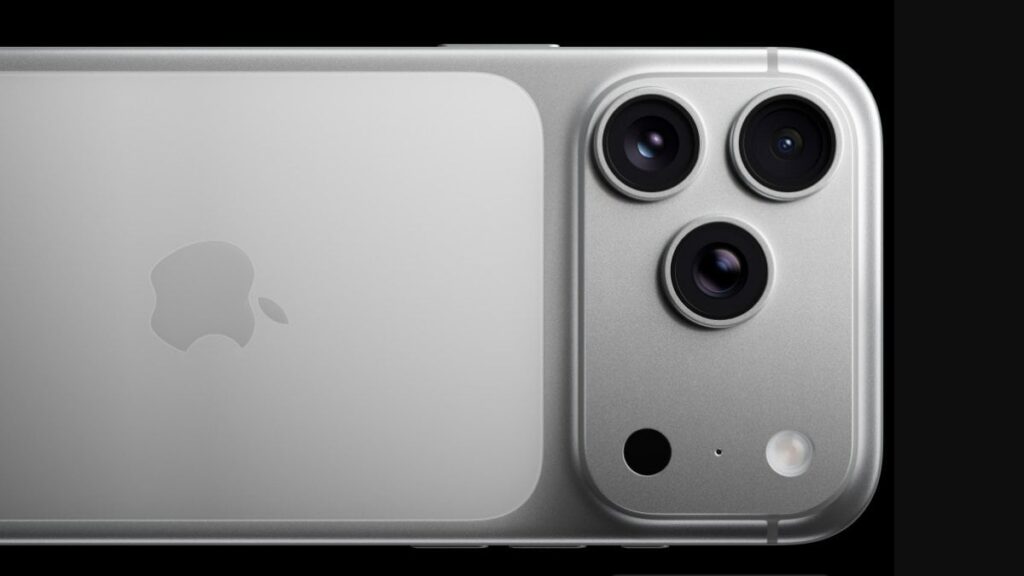
Table of Contents
The Trade-off Between Aesthetics and Optics
For years, Apple has walked a precarious tightrope between the desire for a slim, pocketable device and the physics of high-end photography. As sensors grow larger to capture more light and lenses become more complex to eliminate distortion, the resulting “camera bump” has become a permanent fixture of the iPhone’s design language. However, new reports suggest that with the iPhone 18 Pro series, Apple may be preparing to lean heavily into the latter, prioritizing raw optical power over a flush chassis.
According to a recent leak from Chinese supply chain sources shared by tipster Fixed Focus Digital Camera on Weibo, the iPhone 18 Pro and iPhone 18 Pro Max are expected to undergo a significant physical transformation in their rear camera arrays. The report indicates that the main camera module will be notably larger than those found in previous generations, specifically citing a bump that could be approximately 2mm thicker than the one slated for the iPhone 17 Pro series.
Why the Increase in Module Depth?
A 2mm increase may seem negligible on a spec sheet, but in the world of industrial design, it is a substantial shift. This change typically signals one of two things: a larger image sensor or a more complex lens assembly. In recent years, the industry has moved toward “periscope” lenses and larger CMOS sensors to compete with the likes of Samsung and Xiaomi, who have pushed the boundaries of mobile photography with massive 1-inch sensors.
If Apple is increasing the depth of the module, it likely suggests a move toward a larger primary sensor that requires a longer focal path. This would allow for better low-light performance and a more natural bokeh (background blur) without relying solely on computational software. By increasing the physical size of the lenses, Apple can theoretically reduce the chromatic aberration and distortion that often plague small-sensor smartphones.
The Supply Chain Ripple Effect
These leaks arrive amidst a broader trend of Apple diversifying its camera hardware. We have already seen the transition to 48-megapixel sensors across the Pro lineup, and rumors regarding a 48MP Telephoto lens for the iPhone 17 series are already circulating. Moving to an even larger module for the 18 series suggests that Apple isn’t just iterating on megapixels, but is fundamentally changing the physical architecture of its imaging system.
This shift mirrors a broader trend in the smartphone camera landscape, where the “camera-first” design philosophy is winning. As users increasingly replace dedicated point-and-shoot cameras with their phones, the tolerance for a protruding camera bump has increased. Users are now more likely to accept a thicker device if it means a tangible jump in image quality, particularly in challenging lighting conditions.
Balancing the Pro Lineup
The report specifies that both the iPhone 18 Pro and the Pro Max will receive these upgrades. This ensures parity across the high-end tier, avoiding the situation where the smaller Pro model is crippled by inferior optics due to space constraints. However, the challenge for Apple’s engineers will be managing the balance of the phone when resting on a flat surface—a problem that has plagued every Pro model since the introduction of the multi-lens array.
While these reports come from the early stages of the supply chain—where specifications are often fluid—they point toward a clear trajectory. Apple is no longer trying to hide the camera; they are embracing it as the centerpiece of the device’s value proposition.