ICE Expands Biometric Surveillance with $25 Million Iris and Facial Recognition Deal
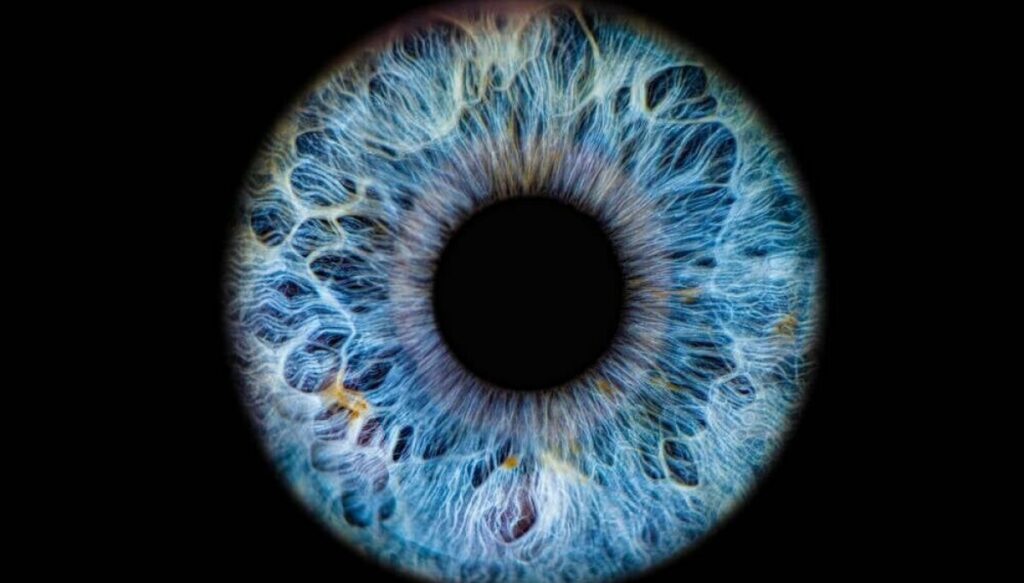
Table of Contents
A Massive Scale-Up in Field Biometrics
U.S. Immigration and Customs Enforcement (ICE) is significantly expanding its capacity for on-the-ground biometric identification through a new $25.1 million contract with Bi2 Technologies. The deal, detailed in procurement summaries published by the Department of Homeland Security (DHS), provides the agency with 1,570 biometric recognition devices capable of capturing fingerprints, iris scans, and facial imagery.
This deployment represents a steep escalation from previous operations. Data suggests that this current acquisition follows a smaller, $4.6 million trial run conducted last year, which saw only 200 devices deployed across the United States. With the new hardware arriving, ICE could have up to 1,770 of these scanners operational in the field by May 2027, moving the technology from a limited pilot program to a widespread surveillance tool.
The IRIS Database: Connecting Dots Across 47 States
The hardware is only one part of the equation. The primary value of the Bi2 Technologies deal lies in the integration with the Inmate Recognition and Identification System, known as IRIS. This platform serves as a massive biometric clearinghouse, matching scans against a database of over five million booking, arrest, and incarceration records spanning 47 U.S. states.
Beyond criminal records, the system is designed to interface with driver’s license registries and vehicle license plate data. By combining these data streams, ICE agents can theoretically identify an individual in real-time using a mobile scanner and immediately link that person to their legal history, vehicle ownership, and prior law enforcement encounters across multiple jurisdictions.
The ‘Sole-Source’ Controversy
The procurement process for this contract has already raised eyebrows among government transparency advocates. The $25 million deal was awarded as a sole-source acquisition, meaning ICE did not seek competing bids from other biometric vendors.
In its justification for bypassing the competitive bidding process, ICE asserted that Bi2’s capabilities are “unmatched by any competitor.” This claim is bolstered by the agency’s previous year of testing with the vendor, suggesting that the DHS has decided to double down on a specific ecosystem rather than exploring alternative biometric solutions that might offer different privacy safeguards or accuracy rates.
Legislative Pushback and Privacy Risks
The move comes amid a heated climate regarding the use of AI and biometrics in immigration enforcement. Senate Democrats have previously challenged the DHS over its use of surveillance software, specifically citing the Mobile Fortify app. In a letter sent last September, lawmakers expressed concerns that such tools are prone to inaccuracy and bias, potentially leading to wrongful detentions or the “chilling” of protected civil liberties during public protests.
Iris scanning, while often more accurate than facial recognition in certain lighting conditions, introduces a new layer of biometric intimacy. Unlike a face, which is visible to any passerby, an iris scan requires a level of proximity and specific hardware that turns a routine encounter into a high-tech screening process. Privacy advocates argue that the aggregation of this data—linking biological markers to a 47-state database—creates a permanent, unchangeable digital fingerprint that could be misused if the database is breached or if the technology is expanded beyond immigration enforcement.
Both ICE and the Department of Homeland Security have remained silent on the specifics of the rollout, declining to respond to inquiries regarding the oversight mechanisms governing the use of these scanners in the field.