HP’s Snapdragon X Gamble Pays Off With a Sub-$700 Price Drop for the OmniBook X
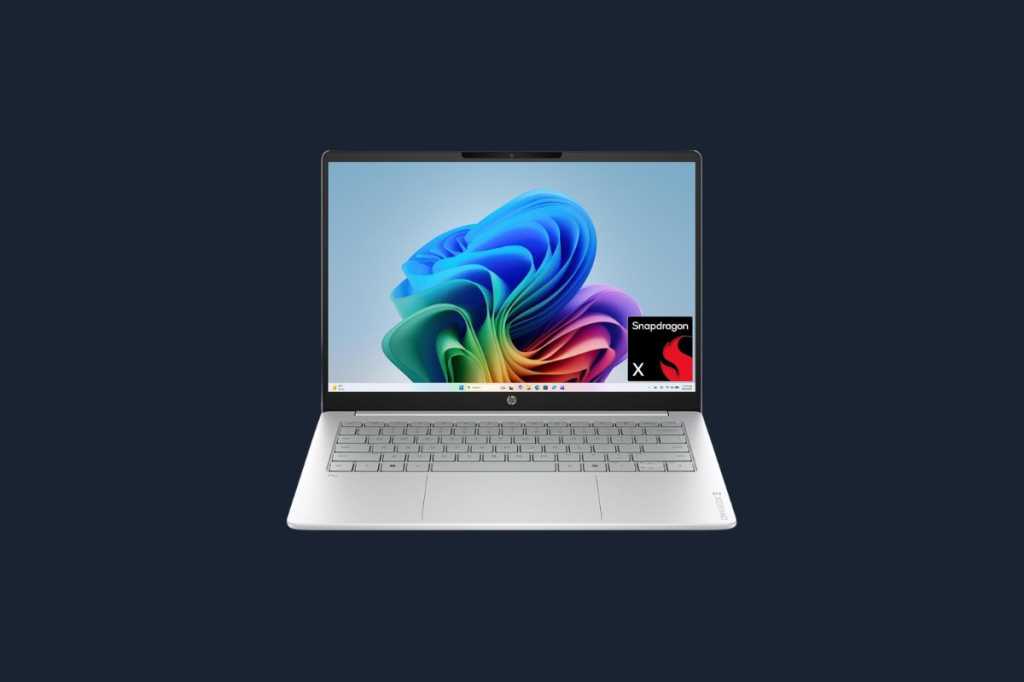
Table of Contents
The Shift Toward ARM-Based Value
For years, the sub-$800 laptop market has been a graveyard of compromise. Buyers typically face a binary choice: an ultra-cheap machine with insufficient RAM and a sluggish processor, or a mid-range device that requires a bulky power brick to survive a full workday. The current pricing shift for the HP OmniBook X, now retailing for $699.99 (down from its $969.99 MSRP), suggests a new third option is emerging: the high-efficiency AI PC.
The OmniBook X isn’t just another discount SKU. It represents HP’s push into the ARM ecosystem, leveraging Qualcomm’s Snapdragon X series to compete with the likes of Apple’s M-series silicon. By slashing the price by nearly $270, HP is effectively repositioning the device from a niche enthusiast tool to a mainstream contender for students and corporate commuters who prioritize longevity over raw peak performance.
Beyond the Budget Label: Technical Specs
Under the hood, the OmniBook X avoids the common pitfalls of ‘budget’ laptops. While many competitors in the $700 range still ship with 8GB of RAM—a configuration that struggles with modern browser-heavy workflows—HP has equipped this model with 16GB of LPDDR5X RAM and a 512GB SSD. This ensures the device doesn’t hit a performance wall when multitasking between resource-heavy applications and cloud-based productivity suites.
The centerpiece is the Snapdragon X processor, which is designed on an ARM architecture. Unlike traditional x86 chips from Intel or AMD, this silicon focuses on performance-per-watt. The result is a machine that doesn’t just run cool; it fundamentally changes the charging habit. HP’s claim of up to 32 hours of battery life is an aggressive estimate that likely assumes light usage, but real-world testing of Snapdragon X-powered machines consistently shows a distinct advantage in standby time and video playback endurance compared to traditional Windows laptops.
The Display and Build Trade-off
To hit this price point, HP has opted for a pragmatic 14-inch IPS display with a 1920×1200 resolution. While it lacks the high refresh rates or OLED saturation found in the OmniBook’s higher-tier siblings, the 16:10 aspect ratio is a welcome addition for productivity, providing more vertical screen real estate for documents and coding.
The chassis remains lean, benefiting from the reduced thermal requirements of the ARM chip. There is a noticeable lack of the ‘jet engine’ fan noise that often plagues thin-and-light laptops under load, making it a strong candidate for library or boardroom environments.
Evaluating the Value Proposition
The primary caveat for any Snapdragon-based Windows machine remains software compatibility. While Microsoft’s Prism emulation layer has made significant strides in running traditional x86 apps, some specialized software or legacy drivers may still encounter friction. However, for the vast majority of users—those whose lives exist in Chrome, Slack, Zoom, and Microsoft 365—the trade-off is negligible.
At $699, the OmniBook X stops being a risky experiment and becomes a legitimate value play. It provides a trajectory of usability that extends well beyond the typical two-year lifecycle of a cheap plastic laptop, offering a glimpse into a future where Windows machines finally match the endurance and instant-wake capabilities of the MacBook Air.