How to Watch WWDC 2026: Streaming Guide for iOS 27 and Apple’s Next AI Pivot
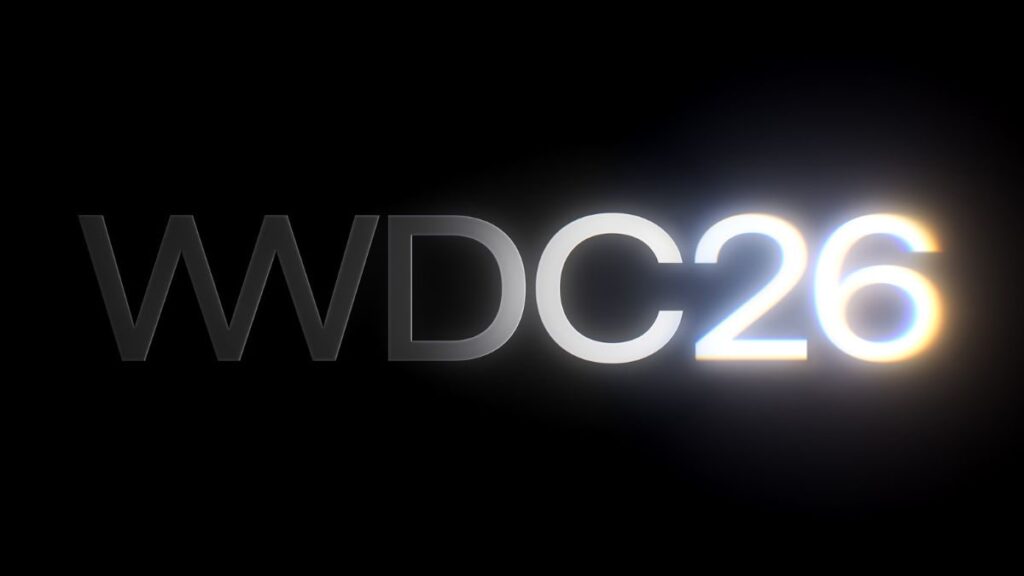
Table of Contents
The Stage is Set for Apple’s Most Pivotal Transition
The tech world is pivoting its attention back to Cupertino as the Worldwide Developers Conference (WWDC) 2026 kicks off today. While this event traditionally serves as the launchpad for new software APIs and developer toolkits, 2026 carries a weight beyond the usual version numbers. This year, Apple isn’t just unveiling iOS 27; it is navigating a generational shift in leadership and a desperate need to prove that its AI integration can move beyond the ‘catch-up’ phase.
For millions of users, the interest lies in the practical upgrades to their iPhones and Macs. For the industry, the focus is on whether Apple can finally deliver a Siri that feels like a true LLM-powered assistant rather than a triggered set of shortcuts. With the transition of power from Tim Cook to John Ternus looming, the keynote serves as a strategic manifesto for the next decade of Apple hardware and software integration.
- Streaming Access: The event is available for free via the Apple TV app, the official Apple website, and the Apple YouTube channel.
- Software Focus: Expect the debut of iOS 27, macOS 16, and watchOS 12, with a heavy emphasis on cross-device AI synchronization.
- Leadership Shift: This marks one of the final major keynotes for Tim Cook before John Ternus officially takes the helm.
- AI Integration: The core narrative will likely center on the deep integration of generative AI into the core OS, moving past the separate ‘chatbot’ experience.
How to Watch WWDC 2026 Live: Every Platform Explained
Apple has streamlined its broadcasting strategy to ensure maximum reach. You do not need a paid Apple TV+ subscription to watch the keynote; the event is free to the public across multiple touchpoints.
The Apple TV App
For the highest bitrate and most stable experience, the Apple TV app remains the gold standard. Available on Apple TV boxes, smart TVs (including LG and Samsung), and iOS devices, the app provides a curated environment where you can easily jump between the live stream and recorded sessions later in the week.
YouTube and Social Streaming
For those who prefer a more community-driven experience, the official Apple YouTube channel will stream the keynote in 4K. This is often the preferred method for those who want to see real-time reactions in the comments or use third-party browser extensions to enhance the playback speed. Additionally, Apple typically mirrors the stream on its official X (formerly Twitter) and Facebook pages, though these are generally lower quality.
The Apple Developer Website
If you are a coder or a technical enthusiast, streaming directly from apple.com or the Developer portal is the best bet. This allows you to quickly pivot from the keynote to the newly released Beta documentation and SDKs as they are announced in real-time.
Decoding iOS 27: What the New OS Likely Holds
While Apple maintains a strict culture of secrecy, industry supply chain data and developer beta leaks suggest that iOS 27 will be more than a visual refresh. The focus is shifting from UI aesthetics to system-level intelligence.
We expect iOS 27 to introduce a more fluid, agentic version of Siri. Instead of simply fetching a flight or setting a timer, the goal is “on-device actionability.” This means Siri should be able to navigate third-party apps on your behalf—such as ordering a specific meal from a delivery app based on your previous preferences—without requiring you to open the app yourself. This is the ‘holy grail’ of mobile AI that Google has been chasing with Gemini and Samsung with Galaxy AI.
The Technical Hurdle: NPU and On-Device Processing
To achieve this, Apple is leveraging the Neural Engine (NPU) in the A19 chip series. The strategy is to keep as much processing as possible on-device to maintain the privacy standards Apple uses as a competitive moat. According to recent benchmarks from industry analysts, the latest silicon allows for larger local model parameters, meaning the AI can understand more complex context without sending data to a cloud server.
The Ternus Era: A Shift in Executive Philosophy?
The presence of John Ternus at the 2026 event is a significant signal. Ternus, who has long overseen hardware engineering, represents a different archetype than the operations-focused Tim Cook. While Cook scaled Apple into a trillion-dollar behemoth through supply chain mastery, Ternus is viewed as a product-first leader.
This shift may result in a keynote that focuses less on financial metrics and more on the visceral experience of the hardware-software bridge. If Ternus takes a prominent role today, expect announcements that push the boundaries of the iPad and Mac—perhaps finally addressing the ‘iPad Pro’ identity crisis with a more robust multitasking overhaul in iPadOS 18/19 iterations.
What This Means for the Average User
For the non-technical user, the noise surrounding ‘LLMs’ and ‘SDKs’ boils down to three practical changes in their daily digital life:
- Reduced App Friction: You will spend less time hunting through menus. The OS will predict which app you need based on your location, time of day, and current task.
- Privacy-First AI: Unlike other AI assistants that scrape data for training, Apple’s approach promises that your personal data stays encrypted on the chip, making the AI a private secretary rather than a data-harvesting tool.
- Hardware Longevity: With the push toward more efficient AI kernels, older devices may see a performance dip if they cannot handle the new NPU requirements, potentially accelerating the upgrade cycle for iPhone 14 and 15 users.
The AI Arms Race: Apple vs. Google vs. Samsung
Apple entered the generative AI race later than its competitors, and it has spent the last two years in a state of perceived deficit. However, the ‘Apple way’ has always been to wait, refine, and integrate. Where Google provides a powerful but fragmented AI experience, Apple is attempting to create a seamless thread that runs through the Watch, iPhone, Mac, and Vision Pro.
| Feature | Apple (Expected iOS 27) | Google (Gemini) | Samsung (Galaxy AI) |
|---|---|---|---|
| Integration | System-wide / OS Level | App-centric / Ecosystem | Device-specific / Layered |
| Privacy | On-device Processing | Cloud-hybrid | Cloud-hybrid |
| Actionability | App Agent Control | Information Retrieval | Productivity Tools |
Frequently Asked Questions
What time does the WWDC 2026 keynote start?
The keynote typically begins at 10:00 AM PDT (1:00 PM EDT / 6:00 PM BST). Check the official Apple Event page for the exact countdown timer.
Do I need to pay to watch the WWDC live stream?
No, the keynote address is free to watch on YouTube, the Apple TV app, and Apple’s website. Only the specialized developer sessions and workshops require a developer account.
When will the iOS 27 beta be available?
Apple usually releases the Developer Beta within hours of the keynote ending. The Public Beta typically follows several weeks later, usually in July.
Will Siri finally be replaced by a new AI?
Apple is unlikely to kill the ‘Siri’ brand. Instead, they are rebuilding Siri’s brain using large language models (LLMs) to make it more conversational and capable.
Can I watch WWDC 2026 on my Android device?
Yes. You can stream the event via the YouTube app or by visiting apple.com through any mobile browser.
The Path to Tomorrow
As the first stream begins, the industry will be looking for a specific kind of confidence from Apple. The transition from Tim Cook to John Ternus, coupled with the launch of iOS 27, represents a pivot from the era of ‘incremental refinement’ to the era of ‘intelligent autonomy.’ Whether Apple can turn the tide against the AI momentum of Google and Samsung depends on whether these features actually work in the wild, or if they remain impressive demos in a carefully controlled keynote environment.