Hantavirus Outbreak on MV Hondius Luxury Liner Climbs to 13 Cases
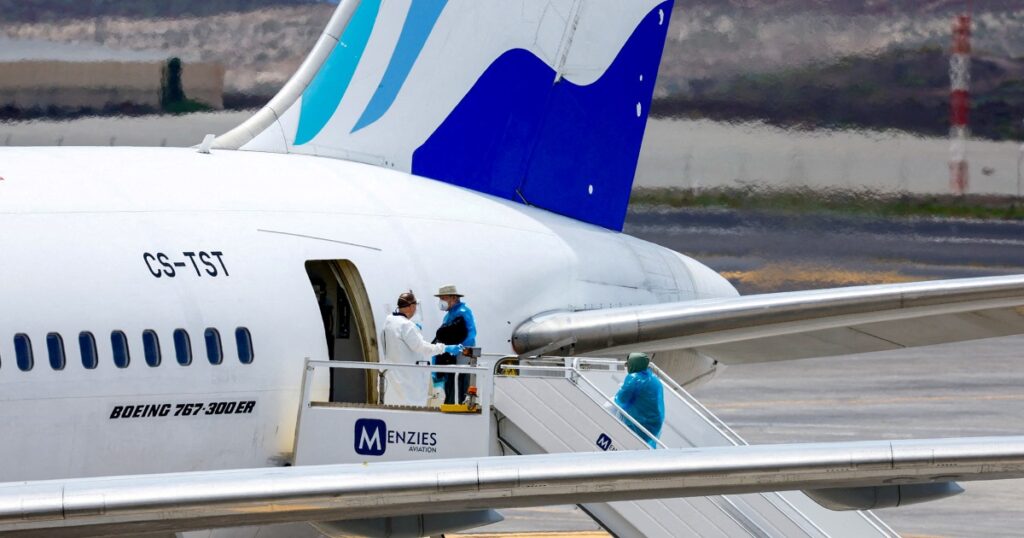
Table of Contents
A New Case in Spain Raises Toll
The World Health Organization (WHO) has confirmed that the number of Hantavirus infections linked to a luxury cruise ship has risen to 13. The increase follows the reporting of a new case in Spain among passengers currently under quarantine, according to a statement from WHO Director-General Tedros Adhanom Ghebreyesus.
The outbreak center is the MV Hondius, a luxury liner that has become the focal point of an international health investigation. While the rise in cases adds tension to the unfolding situation, Dr. Ghebreyesus noted on X (formerly Twitter) that the situation remains stable. He confirmed that there have been no new fatalities since May 2, though the overall death toll from the outbreak currently stands at three.
The Logistics of Containment
The MV Hondius has effectively been cleared of all personnel. Over the last two weeks, the remaining passengers, crew members, and specialized medical staff disembarked the vessel to allow for thorough sanitization and epidemiological tracking. The transition from ship-board containment to land-based quarantine has been a critical step in preventing a wider community spread, particularly as passengers dispersed across different jurisdictions.
In Spain, the health ministry is working in coordination with international observers to monitor those in isolation. The discovery of the 13th case underscores the difficulty of timing quarantine periods for rodent-borne illnesses, which can have varying incubation windows depending on the specific strain of the virus encountered.
Understanding the Viral Threat
Hantaviruses are a family of viruses transmitted to humans primarily through contact with the urine, feces, or saliva of infected rodents. Unlike respiratory viruses that spread easily from person to person, Hantaviruses are typically contracted via the inhalation of aerosolized viral particles—often when contaminated dust is stirred up in enclosed spaces, such as cargo holds or ventilation systems of large ships.
The WHO estimates that between 10,000 and 100,000 human cases occur globally every year. The severity of the illness varies drastically by strain. Some regional strains cause hemorrhagic fever with renal syndrome (HFRS), while others, more common in the Americas, lead to hantavirus pulmonary syndrome (HPS), which can cause rapid respiratory failure.
Technical Challenges in Cruise Ship Sanitation
The incident on the MV Hondius highlights a recurring vulnerability in the cruise industry: the intersection of high-density luxury living and the complex, often inaccessible plumbing and ventilation networks where rodents can proliferate. For a vessel like the Hondius, eradicating a rodent-borne pathogen requires more than surface cleaning; it necessitates deep-structure fumigation and the sealing of entry points that may have been compromised during port calls.
Public health officials are now analyzing the ship’s logs and port history to determine the likely point of origin for the rodent infestation. This data is crucial for other cruise operators who may have docked at the same terminals, potentially exposing their own fleets to similar risks.
Current Health Status
Medical teams are currently focused on those already symptomatic, providing intensive supportive care. Because there is no specific antiviral treatment or vaccine for Hantavirus, care is primarily focused on managing symptoms and maintaining oxygen levels for those with pulmonary distress.
The WHO continues to monitor the situation in Spain and other arrival ports to ensure that the 13 confirmed cases represent the ceiling of the outbreak. For now, the focus remains on the recovered patients and the rigorous monitoring of the remaining quarantined individuals.