Goldman Sachs CEO Warns of ‘Greed Mode’ as AI Giants Prep for Trillion-Dollar Capital Wave
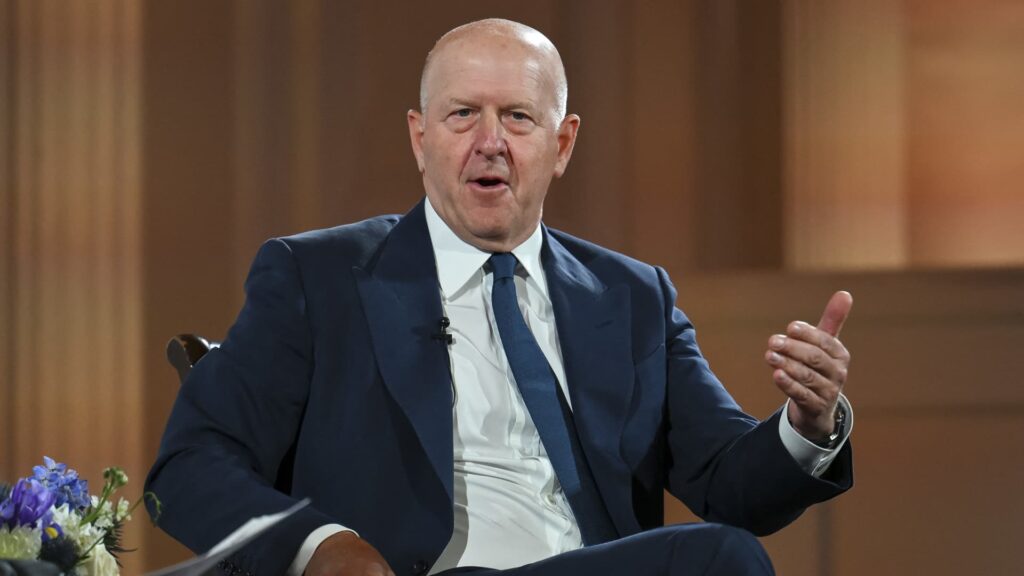
Table of Contents
Liquidity vs. Exuberance
The appetite for artificial intelligence is no longer just a trend among venture capitalists; it has migrated to the highest echelons of global finance. David Solomon, CEO of Goldman Sachs, recently characterized the current market sentiment as being in “greed” mode, suggesting that investors are aggressively pursuing AI opportunities with a level of optimism that outweighs traditional risk aversion.
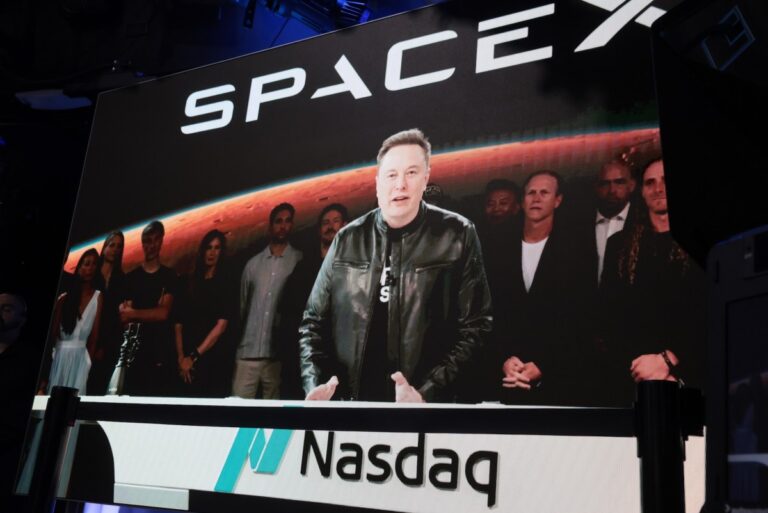
Speaking with CNBC’s Leslie Picker, Solomon addressed the looming question of whether the public markets can actually absorb the sheer volume of capital required by the next generation of AI titans. With firms like OpenAI and Anthropic—the two primary architects of the current LLM era—and Elon Musk’s SpaceX potentially eyeing the public markets, the financial world is bracing for a wave of equity offerings that could dwarf previous tech IPOs in both scale and valuation.
“There’s plenty of liquidity in the system if the world continues to remain as optimistic,” Solomon noted, adding that the current climate is defined by a distinct lack of fear. This “greed” isn’t merely speculative; it is driven by the immense capital requirements of the AI arms race, where the cost of compute, specialized H100 chips, and massive data center footprints has turned AI development into a game of industrial-scale spending.
The Alphabet Benchmark
The concern among some analysts is whether the market will buckle under a simultaneous string of massive raises. If OpenAI or Anthropic seek trillion-dollar valuations, the supply of new equity could theoretically overwhelm demand, leading to price volatility. However, Solomon points to Alphabet as a concrete case study in market resilience.
Following Alphabet’s announcement of an $80 billion equity raise, the company’s stock performance remained robust. For Goldman Sachs, this serves as a primary data point proving that the market is not only receptive to AI-driven capital requests but is actively encouraging them. In Solomon’s view, when a company is “capital consumptive”—meaning it requires billions just to maintain its competitive edge—the logical move is to capture that capital while the window of exuberance is open.
A Self-Reinforcing Cycle of Wealth
Beyond the immediate IPOs, Solomon suggests that the AI boom is creating a unique economic feedback loop. As these companies achieve massive valuations, the wealth generated for early employees and seed investors doesn’t simply sit in bank accounts. Instead, it is recycled back into the ecosystem through taxes and the funding of new, smaller AI ventures, potentially extending the growth cycle longer than previous tech bubbles.
This creates a scenario where the AI sector becomes its own engine of liquidity. The more the “big players” succeed, the more capital is liberated to fund the periphery of the AI economy, from specialized software layers to energy solutions for data centers.
The Risk of a Rapid Pivot
Despite the bullish outlook, Solomon did not entirely rule out the volatility inherent in market psychology. He acknowledged that “greed can turn into fear very quickly,” a nod to the historical patterns of tech crashes where overextension leads to a sharp correction.
However, he argued that we may be in the early stages of this specific cycle. The shift toward AI is viewed by many at Goldman Sachs not as a temporary surge in stock prices, but as a fundamental restructuring of corporate infrastructure. While the “exuberance” may be high, the underlying shift toward automated intelligence provides a floor that previous speculative bubbles lacked. For now, the prevailing strategy for the industry’s leaders is clear: raise as much as possible, as fast as possible, while the market remains hungry.