Fuel Crisis Paralyzes Recovery Efforts in Earthquake-Stricken La Guaira
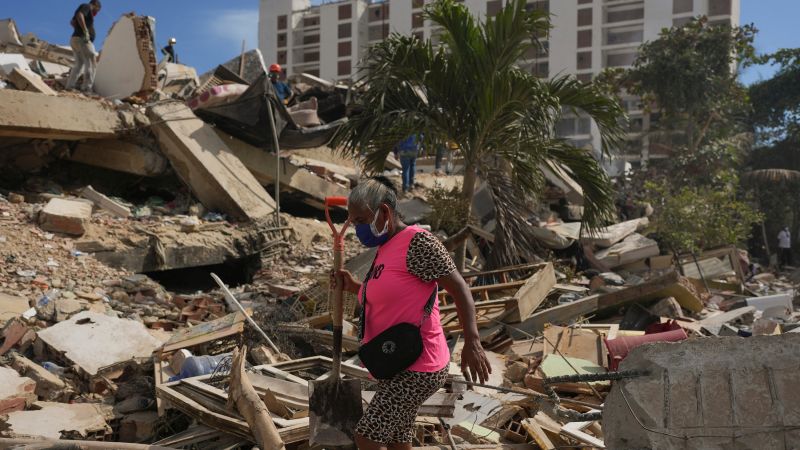
Table of Contents
The Paradox of Plenty in La Guaira
In the coastal city of La Guaira, the air is thick with the smell of decay and the sound of hand-tools scraping against concrete. A week after two massive earthquakes devastated the region, the scene is a harrowing display of logistical failure. Amidst the ruins of collapsed high-rise apartments, government-owned excavators sit motionless. The reason for their silence is a systemic failure that defines the current Venezuelan state: the operators have no gasoline.
The irony is not lost on the residents. Venezuela holds the world’s largest reported oil reserves, yet the basic fuel required to power life-saving machinery is absent. This failure has transformed a critical rescue operation into a manual excavation, with families forced to use pickaxes, shovels, and their bare hands to retrieve loved ones from beneath bent rebar and slabs of concrete.
A Tech Gap in Disaster Response
The absence of fuel is only one layer of a deeper technological void. Professional rescue operations typically rely on a suite of specialized equipment—acoustic sensors to detect heartbeats beneath rubble, thermal imaging, and hydraulic cutting tools to breach reinforced steel. In La Guaira, these tools are conspicuously absent.
Hassel Mendoza, an engineer who flew in from Tampa to search for her family, described a desperate scramble to innovate with primitive tools. According to Mendoza, even the civil defense teams arriving from the neighboring state of Aragua lacked the necessary gear to efficiently break through the debris. “We lost a lot of time trying to figure out new tools to use for a specific activity, like to cut steel,” Mendoza told reporters, highlighting a critical gap in the country’s disaster preparedness and technical infrastructure.
The Human Cost of State Decay
The political implications of this failure are sparking widespread outrage. Carmen Beatriz Fernández, director of the consulting firm DataStrategia, suggests that the inability to mobilize basic machinery is a symptom of a state that has prioritized propaganda and repression over civil infrastructure. This systemic decay has stripped the government of its capacity to provide even the most basic emergency needs during a national catastrophe.
While government officials, including Interior Minister Diosdado Cabello and lawmaker Jorge Rodríguez, have urged citizens to trust in state-led “commune” organization, the reality on the ground tells a different story. The official death toll, currently reported at 1,943 by National Assembly President Jorge Ramírez, is widely viewed as a conservative estimate. The U.S. Geological Survey suggests that the actual casualty count could be in the tens of thousands, a figure supported by the United Nations’ procurement of 10,000 body bags in anticipation of further discoveries.
Survival Against the Odds
Despite the technical failures, a few glimmers of hope remain. International volunteers, such as Jack Thorpe from Resource Rescue International, continue to search for signs of life. While the “golden window” for rescue—typically the first 72 hours—has long passed, Thorpe notes that some victims enter a survival mode that allows them to endure far longer than expected. For families like Mendoza’s, who are sleeping on the ground beside the ruins of a nine-story building, these rare miracles are the only thing sustaining their resolve to keep digging by hand.