Final Fantasy VII Revelation: Square Enix Teases the Scale of the Remake Trilogy’s Finale
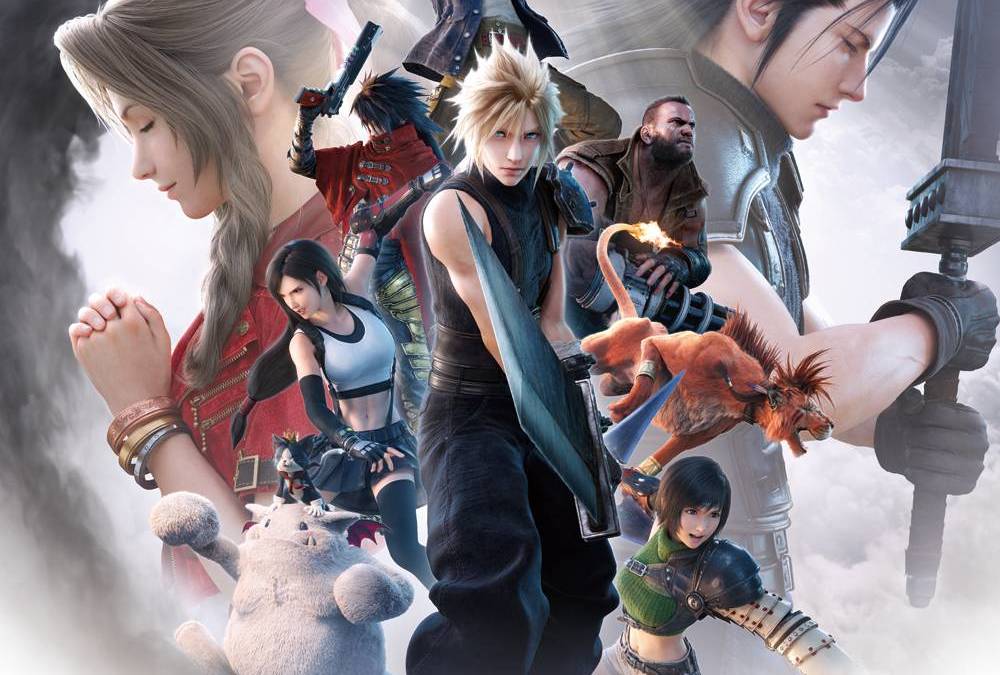
Table of Contents
The Highwind Returns: Scaling Up for the Final Act
Square Enix has finally pulled back the curtain on Final Fantasy VII Revelation, the third and concluding chapter of the ambitious Remake project. While the previous installments, Remake and Rebirth, focused on expanding the Midgar slums and the sprawling grasslands of the world map, Revelation appears to be pivoting toward a verticality and scale that the series hasn’t seen since the original 1997 release.
The central pillar of this final entry is the return of the Highwind. For longtime fans, the airship isn’t just a transportation method—it’s a symbol of the game’s final act. According to the latest details, the Highwind will serve as a mobile hub, allowing players to navigate a “boundless world” with a level of freedom that exceeds the regional boundaries seen in Rebirth. The narrative stakes have shifted from personal discovery to planetary survival, as the party prepares for the climactic confrontation with Sephiroth.
Expanded Party Dynamics and Combat Evolution
One of the most persistent critiques of the earlier entries was the fragmented nature of the party. Revelation aims to resolve this by featuring a fully assembled party. This isn’t just a narrative convenience; it’s a technical shift in the combat system. The “strategic and dynamic combat” mentioned in the reveal suggests a deeper integration of synergy attacks, likely evolving the synergy system introduced in Rebirth to accommodate more characters simultaneously on screen.
Director insights suggest that characters like Zack Fair and Vincent Valentine will play significantly larger roles in this finale. While Rebirth touched upon the tragedy of Zack’s journey, Revelation is expected to weave these disparate timelines together, potentially offering a more cohesive explanation of the “destiny” and “loops” that have defined the Remake series’ deviation from the original plot.
A Cross-Platform Ambition
Perhaps the most surprising element of the announcement is the platform list. While the game is slated for PlayStation 5 and the Xbox Series X/S, the inclusion of the Nintendo Switch 2 (though referred to via the updated hardware cycle) suggests a massive technical undertaking. Porting a game of this scale—especially one featuring a seamless open-air world via the Highwind—to Nintendo’s next-generation hardware indicates that Square Enix is targeting a broader audience than ever before for the trilogy’s end.
There is also the question of post-launch support. Given the success of INTERgrade for the first part of the series, there are strong indications that Revelation may follow a similar path, with potential DLC expanding the lore or providing “what-if” scenarios that allow players to explore alternative outcomes of the story’s resolution.
Bridging the Gap Between Nostalgia and Innovation
The title Revelation itself is telling. Throughout the trilogy, Square Enix has played a dangerous game with fan expectations, altering key plot points and introducing metaphysical elements that weren’t in the original. By naming the finale Revelation, the studio is signaling that the mystery of why the world is changing—and why certain characters are aware of the original game’s events—will finally be answered.
As the project moves toward completion, the pressure is on to deliver an ending that satisfies both the nostalgia of the original fans and the expectations of a new generation of gamers who have grown up with the Remake’s specific brand of action-RPG combat.