Final Fantasy VII Revelation: Everything We Know About the Remake Saga’s Grand Finale
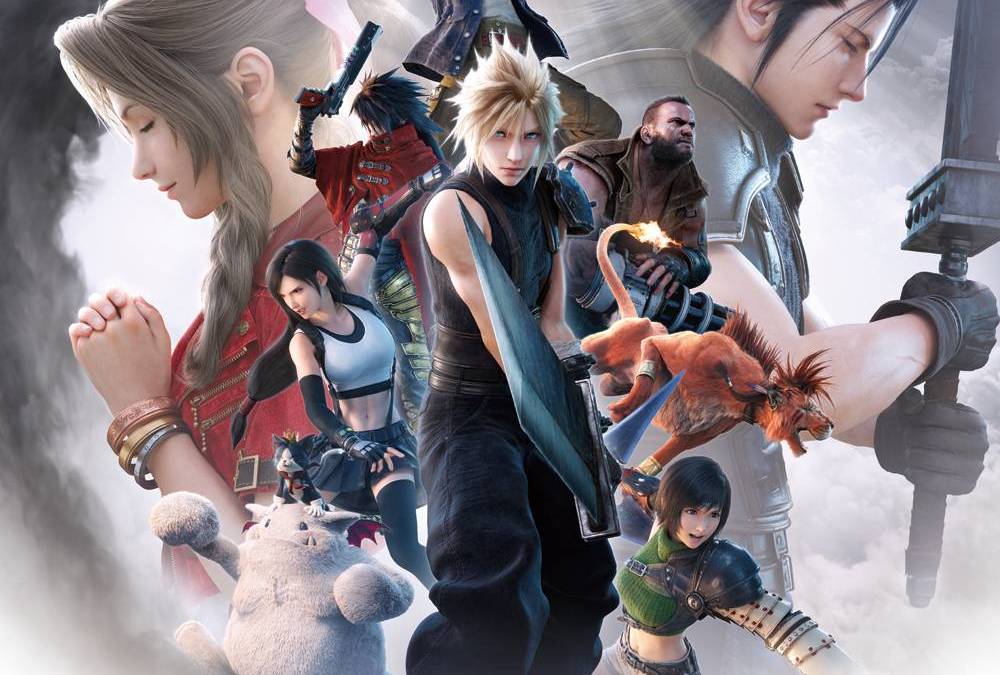
Table of Contents
The Culmination of a Decadelong Ambition
The announcement of Final Fantasy VII Revelation marks more than just the release of another AAA title; it is the closing chapter of one of the most ambitious project timelines in gaming history. Since the first Remake launched in 2020, Square Enix has attempted to bridge the gap between 1997’s nostalgic precision and 2025’s technical demands. Revelation isn’t just a sequel to Rebirth; it is the narrative and mechanical resolution of a story that has spent years teasing the nature of fate and alternate timelines.
- The Highwind Focus: The airship is no longer just a travel tool but a central hub for exploring a boundless world.
- Combat Evolution: Expect a fully assembled party system, moving away from the restrictive party swaps of the previous entries.
- Platform Expansion: The title is targeting PC, PS5, Xbox Series X/S, and notably, the upcoming Nintendo Switch 2.
For those who have followed the saga, the tension is palpable. The ‘Revelation’ subtitle suggests a pivot toward the truth—likely addressing the discrepancies between the original plot and the ‘remake’ timeline. From a technical perspective, the game is designed to push the boundaries of open-world exploration, leveraging the hardware of the current generation to deliver the ‘vast planet’ promised in the promotional materials.
Breaking Down the Technical Shift: Hardware and Platforms
The platform list for Final Fantasy VII Revelation is a telling indicator of Square Enix’s market strategy. While the PlayStation 5 remains the primary development target, the inclusion of the Nintendo Switch 2 (as indicated by industry leaks and official target lists) suggests a significant optimization effort. The transition from the aging Switch hardware to a more powerful successor allows the game to maintain the visual fidelity established in Rebirth without compromising the complex lighting and texture work that defines the series’ modern aesthetic.
On PC, we expect the usual scalability, but the real interest lies in the Xbox Series X/S integration. After years of exclusivity, the move toward a multi-platform ecosystem for the finale ensures that the largest possible audience can witness the conclusion. This shift aligns with the broader industry trend of ‘maximizing reach’ for flagship IPs, as seen with other major Square Enix titles moving toward day-and-date global releases across all consoles.
Gameplay Evolution: Beyond the Combat Loop
Combat in the Remake series has been a point of contention and praise. Revelation aims to refine this by implementing a more dynamic, strategic combat system. The primary change is the fully assembled party. In previous iterations, players were often limited in who could be active during specific story beats; Revelation promises a more flexible approach, allowing for complex synergy attacks and strategic layering of abilities that were previously stunted by party size restrictions.
The Return and Evolution of Queen’s Blood
One of the most praised additions to the previous entry was the card game Queen’s Blood. According to recent interviews with the development team, this minigame is returning in Revelation with key changes. Rather than a simple carry-over, the game is evolving to reflect the narrative progression of the world. We can expect new decks, updated rules, and perhaps a deeper integration into the world’s economy, transforming a side activity into a core pillar of the player’s downtime.
The Sephiroth Variable
Reports from internal sources and director insights suggest a ‘big change’ regarding Sephiroth. In the original 1997 game, Sephiroth was an omnipresent threat, but his physical presence was carefully managed to maintain mystery. Revelation is reportedly altering how Sephiroth interacts with the game world. Instead of appearing primarily in scripted boss encounters, there are indications that his influence will be more systemic, potentially affecting the environment or altering gameplay mechanics in real-time as the player navigates the world map.
What This Means for the Player Experience
For the average gamer, Final Fantasy VII Revelation represents a shift from ‘exploration’ to ‘resolution.’ While Rebirth was about the joy of discovery and the vastness of the world, Revelation is about the consequences of those discoveries. The practical implication is a tighter narrative focus, even while the map size remains expansive.
The introduction of the Highwind as a primary vehicle changes the pacing of the game. Instead of the slow, regional progression seen in the first two parts, players will likely experience a more non-linear approach to the final act. This means the ‘checklist’ style of side-quests may be replaced by more organic, world-driven events. If you are a player who struggled with the pacing of the previous entries, the Highwind’s mobility could be the solution to the ‘bloat’ often criticized in modern open-world RPGs.
The Director’s Perspective on the ‘Saga’ Ending
In recent interviews, the director has been asked about the possibility of DLC, specifically something akin to the Intergrade expansion. The response has been cautious but optimistic. The goal for Revelation is to provide a definitive ending to the main narrative arc. However, the existence of cut content—which the team has officially confirmed—suggests that the ‘complete’ experience may be delivered in phases. Whether this manifests as a ‘Director’s Cut’ or post-launch episodic content remains to be seen, but it indicates that the scope of the story was almost too large for a single release.
Addressing the ‘RPG Streamer’ Crisis
The director also touched upon the ‘Crisis’ facing modern RPG streaming—the tendency for viewers to spoil major plot twists before the streamer reaches them. The solution proposed for Revelation involves a more modular storytelling approach. By diversifying the paths players can take through the Highwind’s exploration, the developers hope to create a more individualized experience, making the ‘reveals’ less predictable and more dependent on the player’s specific journey.
Comparison: Remake vs. Rebirth vs. Revelation
| Feature | Remake | Rebirth | Revelation |
|---|---|---|---|
| World Scale | Linear/Hub-based | Semi-Open World | Boundless/Airship-driven |
| Party System | Fixed/Small | Rotating/Dynamic | Fully Assembled/Strategic |
| Primary Goal | Escape Midgar | Find Cloud’s memories | Decide fate of the planet |
| Key Mechanic | Real-time ATB | Synergy Skills | Dynamic Tactical Combat |
Frequently Asked Questions
Will Final Fantasy VII Revelation be available on the original Nintendo Switch?
No. Current data and platform listings point toward the Nintendo Switch 2. The hardware requirements for the game’s assets and lighting are too demanding for the original Switch’s architecture.
Is the story exactly the same as the 1997 original?
No. The Remake project has consistently introduced new plot threads, alternate timelines, and character developments. Revelation is expected to resolve these changes rather than simply mimicking the original ending.
What happens to Queen’s Blood in the final part?
The game returns with updated rules and new content, integrated more deeply into the world’s lore and gameplay loop.
How does the Highwind affect gameplay?
The Highwind serves as the primary mode of transport and a mobile base, allowing for faster travel across the boundless world and serving as a hub for party interactions.
Will there be DLC for Revelation?
While the main story concludes the saga, the director has hinted at the possibility of expanded content, similar to the Intergrade project, to incorporate cut content.
The Final Verdict on the Remake Trilogy
Final Fantasy VII Revelation is not just a game; it is a technical and narrative gamble. Square Enix is attempting to satisfy three distinct audiences: the nostalgic fans of the original, the newcomers who joined during Remake, and the hardcore RPG enthusiasts who demand mechanical depth. By expanding the platform reach to the Switch 2 and Xbox Series X, they are ensuring that the legacy of Cloud Strife and Sephiroth reaches its widest possible audience.
Whether the ‘Revelation’ lives up to the hype depends on its ability to stick the landing. A story that has been stretched over three massive games risks losing momentum. However, with the promise of a fully assembled party and a boundless world, the scale is finally matching the ambition of the original 1997 vision. The journey that began in the slums of Midgar ends here, in the skies above a dying planet.