OnePlus 16 Leaks: BOE 185Hz Display and Snapdragon 8 Elite Gen 6 Pro Ambitions
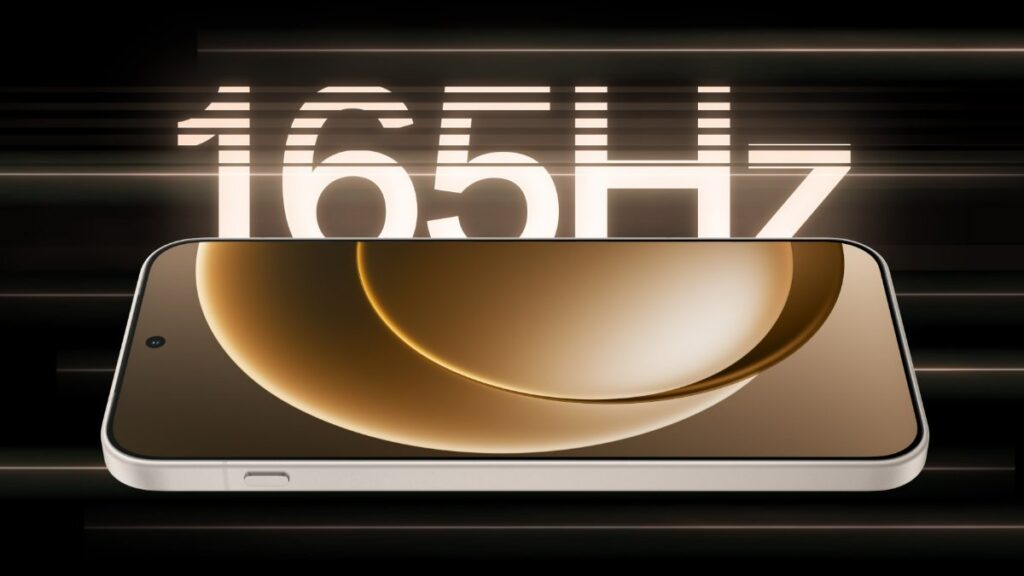
Table of Contents
The Race for Refresh Rate Supremacy
While the smartphone industry has largely settled into a comfortable cadence of 120Hz LTPO displays, a new set of leaks suggests that OnePlus is preparing to shatter that ceiling. Reports emerging from the Chinese supply chain indicate that the OnePlus 16 is targeting a staggering 185Hz refresh rate, powered by a specialized panel from BOE.
- Display Breakthrough: Potential 185Hz BOE panel offering unprecedented fluidity.
- Silicon Speculation: Rumored integration of the yet-to-be-announced Snapdragon 8 Elite Gen 6 Pro.
- Design Shift: Emphasis on ultra-slim bezels and a 6.78-inch form factor.
- Market Positioning: A clear attempt to reclaim the ‘flagship killer’ performance crown.
The information stems from Digital Chat Station, a Weibo-based leaker with a high historical accuracy rate regarding Oppo and OnePlus hardware. While the leaker did not explicitly name the device, the hardware configuration aligns perfectly with the iterative jump expected for the next-generation OnePlus flagship.
Deconstructing the 185Hz BOE Panel
To understand why a 185Hz refresh rate matters, we have to look at the current ceiling of mobile displays. Most modern flagships use LTPO (Low-Temperature Polycrystalline Oxide) technology, allowing the screen to scale from 1Hz to 120Hz to save battery. Pushing that limit to 185Hz isn’t just about a number; it’s about reducing motion blur and input latency to levels previously reserved for high-end gaming monitors.
The BOE Partnership
BOE Technology Group has become a primary rival to Samsung Display, providing panels for various Xiaomi and Honor devices. For OnePlus, switching or expanding its reliance on BOE could allow for more aggressive customization of the refresh rate and brightness peaks. A 185Hz panel would likely require a specialized display driver IC (Integrated Circuit) to handle the increased data throughput without causing massive battery drain.
Visual Fidelity and Bezel Reduction
Beyond the speed, the leaks point to a 6.78-inch screen. The real story here, however, is the bezel architecture. We are seeing a trend toward ‘all-screen’ designs where the chin and forehead are virtually eliminated. If OnePlus succeeds in shrinking the bezels while maintaining structural integrity, the OnePlus 16 could achieve a screen-to-body ratio that rivals the most aggressive designs from the Chinese domestic market.
The Mystery of the Snapdragon 8 Elite Gen 6 Pro
Perhaps more surprising than the screen is the mention of the Snapdragon 8 Elite Gen 6 Pro. As of current public knowledge, Qualcomm’s roadmap has not officially detailed a ‘Gen 6 Pro’ variant of the Elite series. This suggests one of two things: either we are seeing a naming convention shift within Qualcomm’s internal tiers, or OnePlus is working on a specifically binned, high-frequency version of the chip designed to drive that 185Hz display.
“The synergy between the display and the SoC is critical. You cannot run a 185Hz refresh rate if the GPU cannot consistently push frames at that speed without thermal throttling.”
Historically, OnePlus has pushed the limits of RAM and storage speeds (UFS 4.0), and the pairing of a high-clocked Pro chip with a high-refresh screen suggests a device aimed squarely at the ‘power user’ and mobile gaming demographic.
What This Means for the End User
For the average consumer, the jump from 120Hz to 185Hz may be imperceptible. However, for specific use cases, the implications are tangible:
- Competitive Gaming: In high-frame-rate titles like PUBG Mobile or Genshin Impact, a 185Hz ceiling reduces input lag, providing a marginal but critical advantage in reaction time.
- UI Fluidity: System animations and scrolling will feel instantaneous, potentially setting a new benchmark for Android smoothness.
- Battery Trade-offs: Higher refresh rates demand more power. Unless OnePlus implements a highly aggressive LTPO 4.0 or 5.0 system, we can expect increased battery consumption during high-performance tasks.
Comparative Analysis: Current vs. Leaked Specs
| Feature | OnePlus 15 (Estimated) | OnePlus 16 (Leaked) |
|---|---|---|
| Refresh Rate | 120Hz LTPO | 185Hz BOE Panel |
| Display Size | 6.7 – 6.8 inches | 6.78 inches |
| Chipset | Snapdragon 8 Gen 3/4 | Snapdragon 8 Elite Gen 6 Pro |
| Bezels | Standard Slim | Ultra-Slim/Symmetric |
The Technical Hurdle: Power and Heat
Driving a 185Hz display is an engineering challenge. The power required to refresh pixels 185 times per second is significantly higher than the 120Hz standard. To mitigate this, the OnePlus 16 will likely utilize a dynamic refresh rate, where the 185Hz mode is only triggered during specific gaming apps or high-motion content, while the rest of the OS operates at lower intervals.
Furthermore, the thermal envelope of the Snapdragon 8 Elite Gen 6 Pro will be under scrutiny. Pushing high frames requires sustained GPU performance, which generates heat. Whether OnePlus sticks with its vapor chamber cooling or moves toward a more advanced active or phase-change cooling system remains to be seen.
Addressing the Sourcing and Reliability
It is important to note that these specifications come from leaks, not official press releases. Digital Chat Station is highly regarded, but supply chain shifts are common. BOE often produces multiple prototypes for different brands; it is possible that the 185Hz panel is a ‘hero’ feature for a limited edition or a specific regional model before a wider rollout.
Fact vs. Speculation
Confirmed Facts: BOE is currently developing high-refresh-rate panels for the Chinese market. Digital Chat Station has posted details about a high-spec device matching OnePlus’s typical patterns.
Speculation: The exact nomenclature of the ‘Snapdragon 8 Elite Gen 6 Pro’ and the final launch date of the OnePlus 16.
Frequently Asked Questions
Will the 185Hz screen drain the battery faster?
Likely yes, if run at a constant rate. However, with LTPO technology, the phone will only hit 185Hz when necessary, minimizing the impact on daily battery life.
When is the OnePlus 16 expected to launch?
Based on typical OnePlus cycles, we expect a reveal in the latter half of the year, likely following the official unveiling of the new Snapdragon chipset by Qualcomm.
Is 185Hz actually noticeable compared to 120Hz?
For most users, the difference is minimal. However, gamers and those sensitive to motion blur will notice smoother transitions and reduced ghosting in fast-moving images.
Will the OnePlus 16 be available globally?
OnePlus typically launches its flagship in China first before a wider global release in North America and Europe.
Does this mean the OnePlus 15 is obsolete?
Not necessarily. The OnePlus 15 remains a top-tier device. The OnePlus 16 represents an iterative leap in display technology rather than a fundamental change in utility.
Closing the Performance Gap
If the leaks hold true, the OnePlus 16 isn’t just a spec bump; it’s a statement of intent. By pushing for 185Hz and a specialized Pro-tier chipset, OnePlus is positioning itself as the primary alternative for users who find Samsung and Apple too conservative with their hardware. The success of the device will ultimately depend on whether the software can actually leverage this hardware without compromising the device’s thermal stability or battery longevity.