EPA’s Coal Ash Rollbacks Pit ‘Energy Dominance’ Against Public Health Data
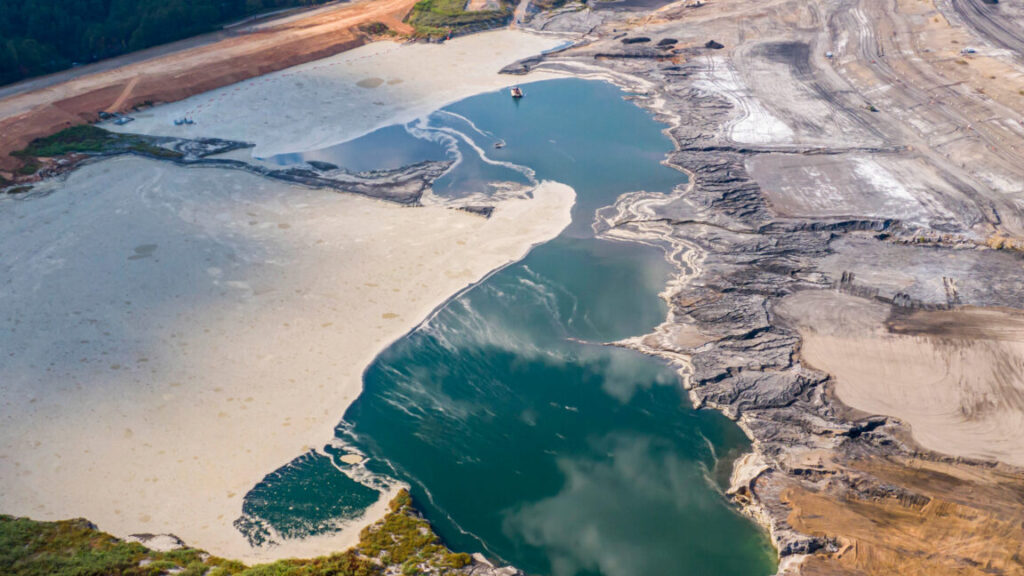
Table of Contents
The Tension Between Resource Recovery and Toxic Risk
A virtual public comment hearing hosted by the U.S. Environmental Protection Agency (EPA) on Thursday laid bare a stark divide between the Trump administration’s industrial strategy and the scientific community’s warnings regarding coal combustion residuals, commonly known as coal ash.
At the center of the conflict is a proposed set of regulations that would dismantle key monitoring requirements established by the Biden administration in 2024. The new proposal seeks to shift the burden of monitoring and enforcement from the federal government to individual states, allowing utilities to bypass certain national standards. EPA Administrator Lee Zeldin has framed these changes as “commonsense,” arguing they are essential for restoring “American energy dominance” and supporting “cooperative federalism.”
However, for environmental advocates and legal experts, the move represents a dangerous retreat from public health protections. Lisa Evans, senior counsel at Earthjustice and a former EPA attorney, characterized the rollbacks as a favor to polluters that directly jeopardizes national drinking water supplies.
The ‘Beneficial Use’ Debate
The industry’s argument hinges on the concept of “beneficial use.” Coal ash—the mineral byproduct of burning coal for electricity—contains high levels of mercury, arsenic, and lead. Yet, it is also a valuable additive in the production of concrete, drywall, and cement. The American Coal Ash Association and the American Cement Association are pushing the EPA to redefine coal ash not as an industrial waste, but as a raw material in the production process.
Leah Pilconis, vice president of government affairs at the American Cement Association, noted that as the active supply of coal ash declines, loosening these regulations would improve access to “legacy” residues, effectively turning waste sites into mineral mines. This shift would permit power plant owners to minimize or delay the costly process of cleaning up ash ponds, provided the material is slated for industrial reuse.
Groundwater and the ‘Steeping’ Effect
The industrial utility of coal ash does not mitigate the risk for those living near the thousands of sites where the residue is stored in unlined ponds. Critics point to a 2022 study by Earthjustice indicating that over 90 percent of U.S. coal power plants are contaminating groundwater via these residues. Because these ponds often lack proper liners, toxins leach directly into the earth, infiltrating aquifers used for drinking water.
Jennifer Cassel, an attorney with Earthjustice, described the resulting pollution as a concentrated “tea” that steeps into the environment. She noted that the threat is being amplified by the increased frequency of extreme weather events and hurricanes, which can cause coal ash ponds to overflow or breach, sending toxic sludge into surrounding communities.
Pediatric Health and Neurobiological Impact
Beyond the immediate chemical contamination of water, the hearing introduced troubling data regarding long-term neurobiological health. Kristina Zierold, a professor at the University of Mississippi, presented findings from a National Institutes of Health (NIH) grant focused on children aged 6 to 14.
Zierold’s research suggests a correlation between coal ash exposure—via air pollution and household dust—and increased rates of depression and poor school performance in children. These findings suggest that the impact of deregulation is not merely an environmental concern but a developmental one, with cascading effects on social interaction and cognitive achievement that persist into adulthood.
The EPA now faces a significant evidentiary record, as argued by Cassel, that acknowledges the documented harm of these sites. The decision on whether to prioritize the “beneficial use” of minerals or the protection of groundwater will likely determine the legal landscape for utility companies for the next decade.