EPA Coal Ash Rollbacks Spark Clash Over ‘Beneficial Use’ vs. Groundwater Contamination
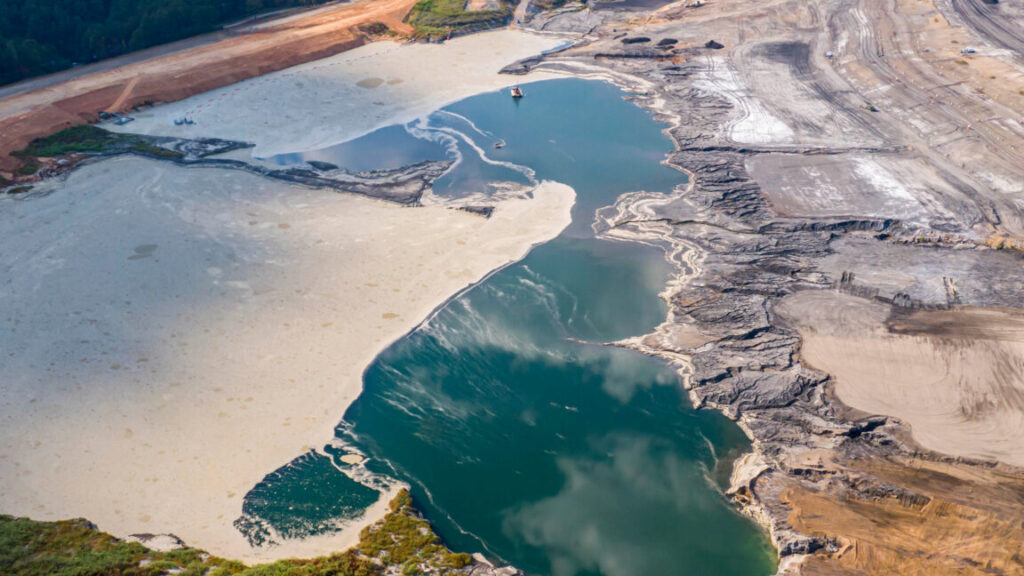
Table of Contents
A Regulatory Pivot on Toxic Residue
The U.S. Environmental Protection Agency (EPA) has become the center of a mounting legal and ethical battle following a virtual public comment hearing regarding the proposed rollback of coal ash regulations. The Trump administration is moving to dismantle a 2024 rule established under the Biden administration, which mandated strict monitoring of coal ash sites at inactive power plants and enforced rigorous groundwater protections.
At the heart of the dispute is a fundamental disagreement over whether coal ash—the mineral byproduct of burning coal for electricity—should be treated as a hazardous industrial waste or a valuable domestic resource. The proposed changes would shift monitoring and enforcement authority primarily to the states, allowing some facilities to bypass national standards entirely.
EPA Administrator Lee Zeldin has framed these shifts as “commonsense changes” intended to bolster “American energy dominance” and embrace a model of cooperative federalism. However, critics argue that this decentralization of oversight is a calculated favor to polluters that jeopardizes the nation’s drinking water.
The ‘Beneficial Use’ Argument
Industry advocates are pivoting the conversation toward the economic and structural utility of coal combustion residuals. Groups like the American Coal Ash Association and the American Cement Association argue that the residue is an underutilized mineral resource critical for the production of concrete, drywall, and agriculture.
Leah Pilconis, vice president of government affairs for the American Cement Association, noted that the proposed rule changes would redefine coal ash used in cement manufacturing as a part of the production process rather than industrial waste. As the supply of fresh coal ash declines due to the broader transition away from coal-fired power, the industry is pushing for easier access to “legacy” residues stored at retired plants.
This “beneficial use” narrative suggests that incorporating these minerals into construction materials solves two problems at once: providing raw materials for infrastructure and reducing the volume of waste stored in ponds.
The Cost of Leakage
Environmentalists and health researchers contend that the industry’s focus on “beneficial use” ignores the vast quantities of toxic residue that cannot be repurposed. Much of this material is stored in unlined ponds or landfills, where it can leach mercury, arsenic, and lead into the water table.
A 2022 study conducted by Earthjustice and collaborating environmental groups indicated that over 90 percent of U.S. coal power plants were contaminating groundwater via these residues. Jennifer Cassel, an attorney with Earthjustice, described the resulting pollution as a “tea” of toxins that steeps into the surrounding environment, a process exacerbated by the increased frequency of hurricanes and heavy rainfall driven by climate change.
Neurobiological Risks to Children
Beyond the immediate ecological damage, new evidence suggests a direct link between coal ash exposure and developmental issues in children. Kristina Zierold, a professor at the University of Mississippi, presented research funded by a National Institutes of Health grant focusing on children aged 6 to 14.
Zierold’s research, which involved air pollution and dust sampling in residential homes, indicates that children exposed to coal ash are more likely to suffer from depression and demonstrate poorer school performance. The study highlights a concerning correlation between the ingestion or inhalation of these particles and impaired neurobiological health, which Zierold warns can lead to lifelong cascading effects on social interaction and mental health.
The testimony from the hearing reflects a stark divide: while the administration and industry view the rollbacks as a victory for economic efficiency and state autonomy, public health advocates see the removal of federal guardrails as a direct threat to the safety of American communities.