England’s ‘Waste Super Sites’: Environment Agency Unveils High-Priority Illegal Dump Watchlist
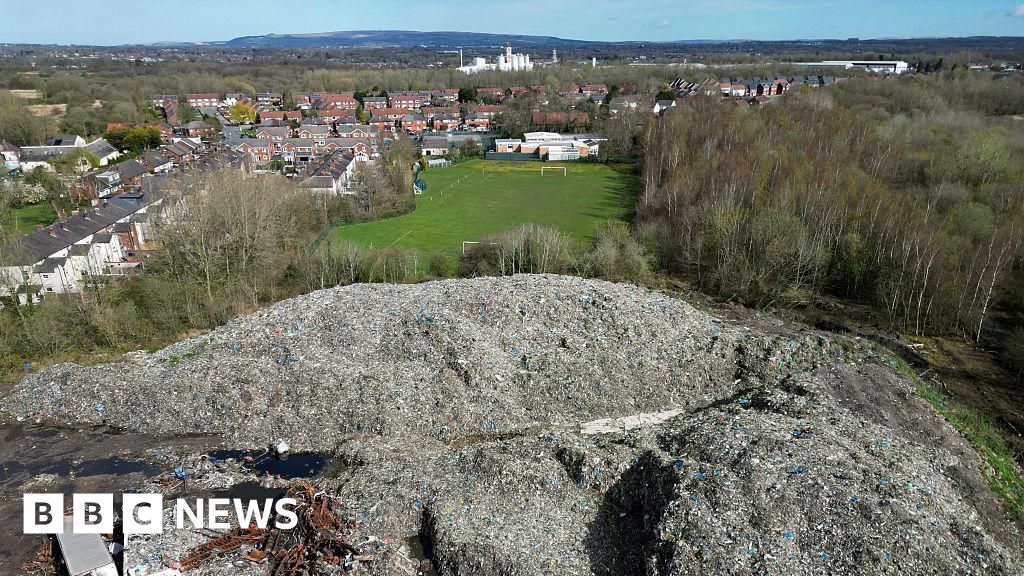
Table of Contents
The Scale of England’s Waste Crisis
The Environment Agency (EA) has released a strategic watchlist detailing 117 ‘high priority’ illegal waste sites across England, exposing a systemic failure in waste management and enforcement. Among these, 28 have been designated as ‘super sites’—massive deposits of refuse where the volume of dumped material exceeds 20,000 tonnes per location.
The scale of the problem is most evident in Northwich, Cheshire, where a staggering 281,000 tonnes of contaminated soil have accumulated. This specific site was previously highlighted during a BBC investigation in January, underscoring a pattern of large-scale environmental negligence that often goes unnoticed until the volume becomes impossible to ignore.
According to the EA, there are approximately 700 illegal waste sites currently active or dormant across the country. The decision to publish a targeted list of high-priority areas is intended to provide transparency to affected residents and signal to organized waste criminals that their operations are being tracked.
The Taxpayer’s Burden and Enforcement Gaps
The watchlist includes sites in Kidlington, Oxfordshire, and Hoads Wood in Kent, both of which are currently undergoing remediation. Similar massive deposits in Wigan and Sheffield, totaling nearly 40,000 tonnes of waste, have also been earmarked for potential clearance. These operations are being carried out under the government’s broader waste crime action plan, often utilizing public funds to resolve the crisis.
However, the EA has been clear that taxpayer-funded cleanups are not the standard. The agency maintains that it is not generally funded for site remediation and only intervenes in ‘exceptional circumstances.’ Under current government criteria, sites are selected for cleanup based on their potential to pose a serious environmental risk or a significant negative impact on the local community.
This approach has drawn criticism from those living and working adjacent to these sites. Geoff Howarth, a business owner operating next to the Sheffield dump, expressed skepticism regarding the effectiveness of the watchlist. Howarth argues that transparency without aggressive enforcement is insufficient, suggesting that the EA needs to ‘step up’ to prevent repeat offenders from exploiting the system.
A Question of Asset Seizure
The debate over who pays for the cleanup has highlighted a gap in how waste crime is prosecuted. Critics, including Howarth, suggest that public money should only be used if the land is owned by the criminals themselves. In such cases, the land could be seized and sold off to recoup the costs of the cleanup, effectively turning the criminals’ assets into the solution for the damage they caused.
The Nature of the ‘Super Sites’
The materials found at these sites are not merely household trash. The EA reports a dangerous mix of construction debris, asbestos, tires, and hazardous chemical waste. Some of these locations are effectively ‘shadow’ businesses—tips operating without the necessary permits—while others are remote plots of privately owned countryside used as convenient dumping grounds for industrial waste.
Philip Duffy, Chief Executive of the Environment Agency, described waste crime as a ‘serious blight’ on both the environment and local communities. Duffy framed the publication of the watchlist as a ‘deliberate act of transparency,’ intended to both reassure the public and warn perpetrators that enforcement actions are pending.
To protect the integrity of ongoing criminal investigations, the EA has limited the detail provided in the public watchlist, offering only broad locations and the general nature of the waste. The agency intends to update the list monthly, urging the public to report any new sightings of illegal dumping to help refine their intelligence and target the networks driving these operations.