Amazon Refreshes Fire TV Stick Lineup in India with Budget-Friendly HD Model
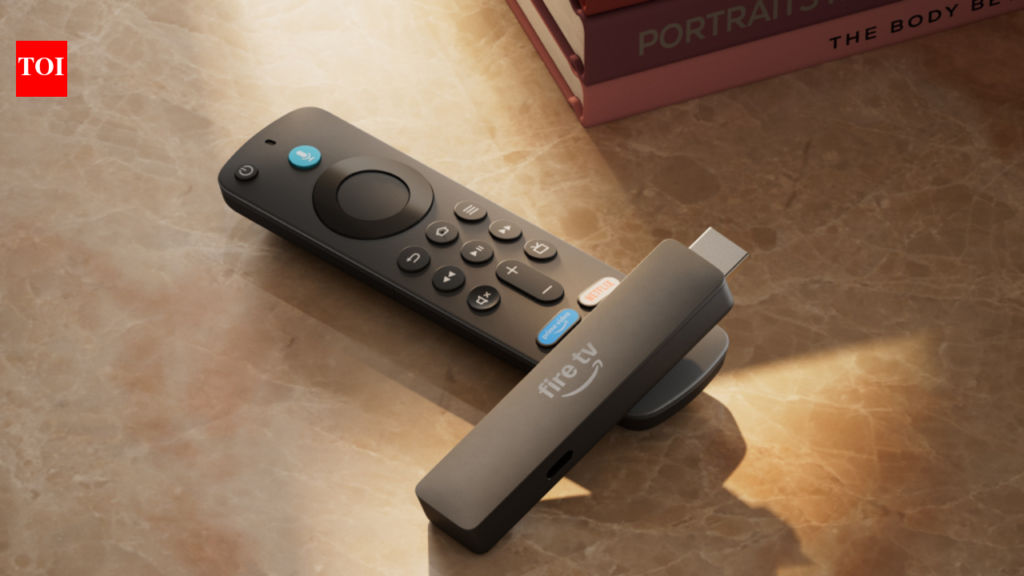
Table of Contents
Sizing Down for a Wider Market
Amazon has officially expanded its streaming hardware footprint in India with the introduction of the Fire TV Stick HD. The move is a clear strategic pivot toward the ‘value’ segment of the Indian market, where a significant portion of the population still relies on 1080p displays rather than high-cost 4K panels. While the company has long pushed its 4K Max and 4K variants, the HD model aims to capture the millions of households transitioning from traditional cable to smart-app ecosystems without requiring a hardware overhaul of their televisions.
The device functions as a plug-and-play dongle, leveraging the HDMI port to turn any standard television into a smart hub. By focusing on HD resolution, Amazon is effectively lowering the barrier to entry for its Fire OS ecosystem, making it more competitive against low-cost Android TV boxes and integrated smart TVs from brands like Xiaomi and Realme.
Hardware Constraints and Performance
Under the hood, the Fire TV Stick HD is designed for efficiency rather than raw power. While Amazon has not released a full technical teardown for the Indian SKU, the device utilizes a streamlined processor optimized for the Fire OS interface. The priority here is navigation fluidity—ensuring that the home screen, which is heavily driven by Amazon’s recommendation engine, doesn’t lag while browsing through Prime Video, Disney+ Hotstar, or Netflix.
The remote remains the central point of interaction, featuring the signature Alexa voice-control button. In the Indian context, this is a critical feature; Amazon has invested heavily in localized voice recognition to ensure that Alexa understands diverse accents and regional linguistic nuances, allowing users to search for content or control smart home devices without typing on an on-screen keyboard.
The Ecosystem Play: Beyond the Hardware
The launch of the HD stick isn’t just about selling a piece of plastic; it’s a data and services play. Every Fire TV device acts as a portal deeper into the Amazon ecosystem. By pricing the HD model aggressively, Amazon increases the number of active endpoints through which it can push Prime subscriptions and targeted advertising.
The user interface is fundamentally built around content discovery. Unlike the more open nature of Google TV, Fire OS is tightly integrated with Amazon’s commerce and entertainment arms. For the average Indian consumer, this means a more curated—if slightly more restrictive—experience where the ‘Home’ tab often highlights Prime Video originals and sponsored content before user-installed apps.
Market Positioning and Competition
The Indian streaming market is currently a battlefield of pricing. With the proliferation of cheap smart TVs, the demand for standalone sticks has shifted. Consumers are no longer buying sticks just to get ‘smart’ features, but rather to replace sluggish factory-installed OSs that have become bloated over time.
The Fire TV Stick HD positions itself as a lightweight, reliable alternative to the heavier 4K models. It avoids the ‘overkill’ problem—where users pay for 4K capabilities they cannot actually see on their screens—while offering a more polished software experience than many generic budget alternatives found on e-commerce platforms.
Availability is currently rolling out via Amazon.in and select retail partners, with pricing structured to undercut the mid-range competition. As India continues its push toward digital streaming in Tier 2 and Tier 3 cities, the HD model serves as the ideal entry point for a demographic that prioritizes stability and brand trust over bleeding-edge resolution.