Drone Warfare and Signal Jamming: The High-Tech Standoff Between U.S. and Iran
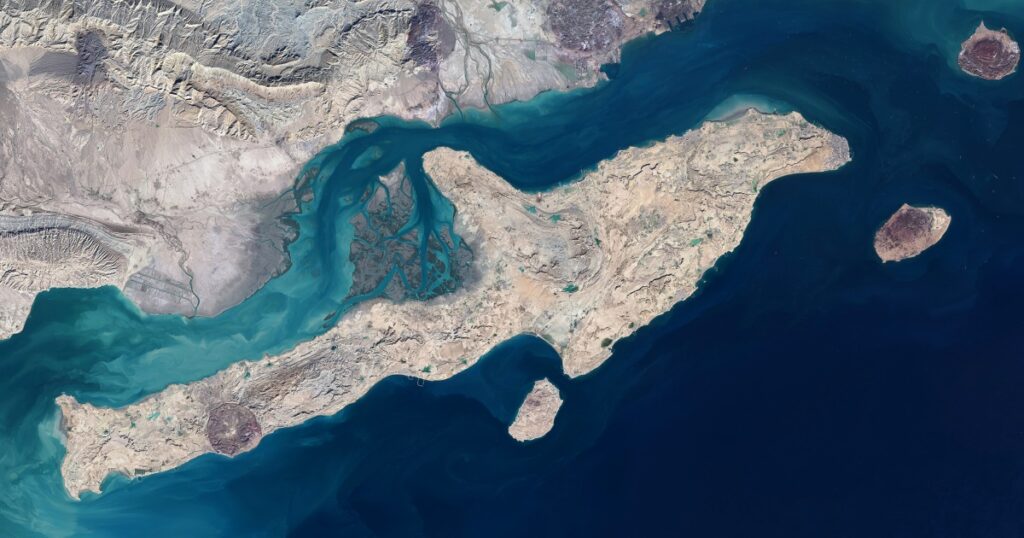
Table of Contents
The Attrition of Autonomous Systems
The ongoing conflict between the United States and Iran has shifted from traditional military engagement into a high-stakes laboratory for autonomous systems and electronic warfare. Over the weekend, the U.S. military confirmed a series of “self-defense” strikes targeting Iranian radar and drone control sites, a direct response to the loss of a U.S. MQ-1 drone operating over international waters. This sequence of events highlights a growing trend in modern conflict: the use of unmanned aerial vehicles (UAVs) as both the primary provocation and the primary target.
U.S. Central Command reported that fighter aircraft successfully neutralized Iranian air defenses, a ground control station, and two “one-way attack drones.” These one-way drones—essentially loitering munitions—are designed to saturate air defenses and strike with precision, making them a cost-effective asymmetrical tool for Iran to challenge U.S. naval and aerial dominance in the region. The strikes in Goruk and on the island of Qeshm were not merely retaliatory but were aimed at degrading the command-and-control (C2) infrastructure that allows these drones to operate.
The Battle for Signal Dominance
The technical friction is most evident in the targeting of telecommunications and radar infrastructure. Iran’s Revolutionary Guards (IRGC) confirmed a strike on a U.S. base following a targeted hit on a telecommunications tower on Sirik Island in Hormozgan province. This focus on signal infrastructure suggests that both sides are prioritizing electronic warfare (EW) to blind the opponent’s situational awareness. When radar sites are eliminated, the “kill chain”—the process of detecting, tracking, and engaging a target—is broken, forcing commanders to rely on older or less precise methods of engagement.
This electronic tug-of-war is further complicated by the geography of the Strait of Hormuz. The effective shutdown of this waterway, which handles roughly a fifth of the global oil supply, isn’t just a naval blockade but a logistical nightmare facilitated by sea mines and drone surveillance. President Donald Trump’s demand for the destruction of all mines in the waterway underscores the persistent threat of “dumb” munitions integrated with “smart” surveillance.
Regional Complexity and the Lebanese Link
The conflict is not contained to the Gulf. The technical integration of Iranian-backed proxies, specifically Hezbollah in Lebanon, creates a multi-front electronic battlefield. Despite a tenuous ceasefire, Israeli operations against Hezbollah have continued, with recent incursions like the capture of Beaufort Ridge demonstrating a sophisticated blend of ground intelligence and aerial surveillance.
From a diplomatic perspective, the technology of war is currently outpacing the speed of peace. Iranian Foreign Ministry spokesman Esmail Baghaei has explicitly linked any final ceasefire agreement to the cessation of U.S. attacks on commercial shipping—attacks that Iran claims are violations of existing agreements. This intersection of commercial logistics and military drone strikes makes the Strait of Hormuz a critical failure point for global energy markets.
The Diplomatic Deadlock
While President Trump has urged critics to “sit back and relax,” claiming Iran is eager for a deal, the technical requirements for that deal are stringent. The U.S. is demanding a total prohibition on nuclear weapons and an unrestricted flow of shipping traffic. Iran, conversely, views these demands as excessive, suggesting that the technical capabilities they have developed—particularly in missile and drone tech—provide them with a leverage that they are unwilling to trade away easily.
As Secretary of State Marco Rubio engages in diplomatic maneuvers with Lebanese President Joseph Aoun and Prime Minister Benjamin Netanyahu, the operational reality remains one of escalation. The use of MQ-1s, loitering munitions, and strategic radar strikes indicates that until a political solution is found, the region will continue to serve as a testing ground for the next generation of autonomous warfare.