Digital Vigilantism and the New Geography of Fear: How Social Media is Policing Religious Space in Uttar Pradesh
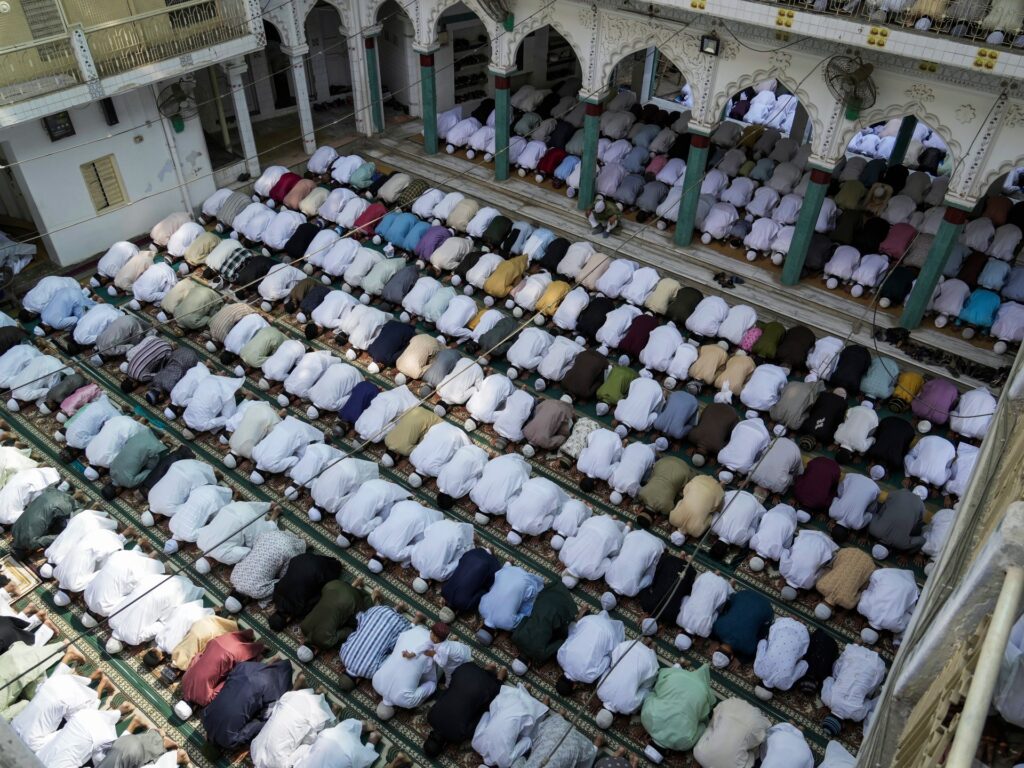
Table of Contents
The Algorithm of Intimidation
In the village of Maliyana, located roughly 80km from New Delhi, the preparations for Eid al-Adha are no longer centered on theology or charity. Instead, the discourse within the local mosque revolves around a modern, digital threat: the smartphone camera. Mosque committee members are now issuing warnings not just about prayer timings, but about visibility. The directive is clear: avoid arguments, avoid crowds, and above all, avoid being filmed.
This shift marks the emergence of a specific brand of digital vigilantism in Uttar Pradesh. For the state’s 39 million Muslims, the risk of gathering in public spaces is no longer just about physical confrontation, but about the viral lifecycle of a 15-second clip. In a climate of heightened religious tension, a video of Muslims praying on a road or in a park is often uploaded to platforms like X and WhatsApp, where it is framed as a “show of strength” or a traffic violation. Once these videos enter the digital ecosystem, they frequently trigger a real-world response from authorities or right-wing groups.
From Viral Clips to State Action
The synergy between grassroots digital surveillance and state policy has created a feedback loop that shrinks the available physical space for religious practice. The Vishwa Hindu Parishad (VHP) has leveraged this digital visibility to demand a nationwide ban on namaz on roads, arguing that such gatherings are provocative. This digital pressure often translates into immediate policy shifts. Chief Minister Yogi Adityanath has utilized X to signal a hardline approach, suggesting that those who do not adhere to “peaceful” (and strictly indoor) arrangements may face “another method.”
The “other method” is not a vague threat; it is a documented pattern of digital and physical erasure. Reports from Meerut and Aligarh indicate that the fallout from a viral video can extend far beyond a police warning. In some instances, the digital evidence of public prayer has been linked to “bulldozer justice”—the demolition of homes—or the sudden cancellation of passport and driver’s license verifications. The smartphone has effectively become a tool for state-sponsored profiling, where the act of praying in public is converted into a digital record of non-compliance.
The Architecture of Avoidance
As a result, the Muslim community in Uttar Pradesh is engaging in a form of tactical invisibility. Mosque committees are recalibrating their logistics to avoid creating “content” for vigilantes. This includes implementing strict shifts, reducing congregation sizes, and deploying volunteers whose primary job is to ensure that no worshippers spill onto the pavement where they might be captured on camera.
For residents like Arshad, a 33-year-old shopkeeper in Meerut, the psychological weight is the most taxing element. The joy of the holiday is now superseded by a preemptive anxiety about digital footprints. “People keep checking whether someone will record videos and upload them online,” he explains. This is a new form of social control where the fear of the recording device is as potent as the fear of the police officer.
The Erosion of the Public Square
The situation in Uttar Pradesh highlights a broader global trend: the weaponization of consumer technology to enforce cultural and religious homogeneity. When the state leverages social media outrage to justify the restriction of public space, the “digital square” is used to dismantle the physical square. For many in the Aligarh Muslim University community and beyond, the concern is no longer just about the legality of a prayer mat on a sidewalk, but about the permanent digital archive being built to justify future crackdowns.
As the community navigates these restrictions, the reliance on encrypted groups like WhatsApp for coordination underscores the paradox of the current era: the same technology used to surveil and target them is the only tool they have to organize for their own safety.