Digital Dividends and Democratic Deficits: Abiy Ahmed’s Prosperity Party Bets on Growth in 2026 Elections
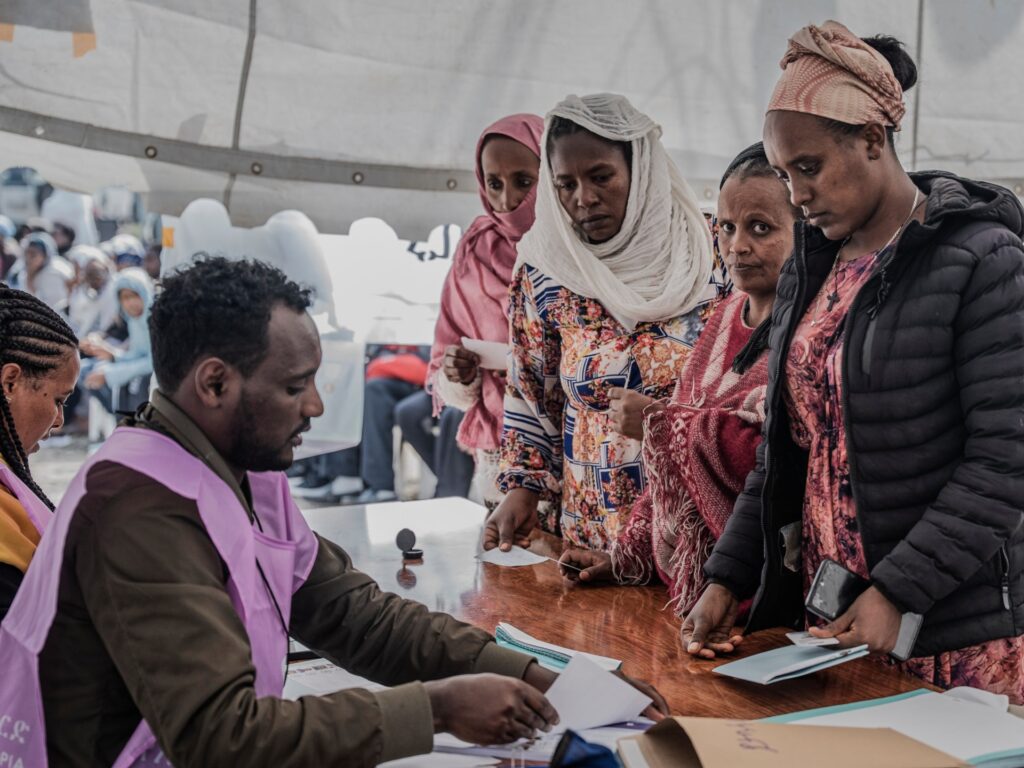
Table of Contents
A Mandate Built on Macroeconomics
Ethiopia has entered a critical election cycle with over 50 million registered voters heading to the polls. At the center of the contest is Prime Minister Abiy Ahmed and his Prosperity Party, which is positioning itself not just as a political entity, but as the primary architect of a modernizing Ethiopian state. The party’s campaign has leaned heavily into the government’s economic data, citing a projected growth rate of 10 percent for 2026—one of the most aggressive trajectories on the African continent.
For Abiy, the strategy is clear: translate high-level macroeconomic success and improved food security into a landslide victory that legitimizes his grip on power. However, the disparity between the government’s growth figures and the lived reality in the country’s periphery creates a volatile political environment. While Addis Ababa touts digital transformation and industrial expansion, significant portions of the population remain disconnected from these gains.
The Geography of Exclusion
The 2026 elections are not occurring across a unified map. The National Election Board of Ethiopia (NEBE) has confirmed that polling will not take place in the northern Tigray region, citing “unfavourable conditions.” This is a stark reminder of the lingering scars from the 2020-2022 civil war. Despite the 2022 peace accord, the region remains a geopolitical powder keg, with recent attempts by local political factions to reassert administrative control triggering fresh warnings of instability from federal officials.
The instability extends beyond Tigray. In the Amhara region, the Fano armed group has maintained control over substantial rural territories since 2023, resulting in the cancellation of voting in at least eight of the region’s 138 constituencies. Similarly, the Oromia region continues to be a flashpoint, where conflict between federal forces and the Oromo Liberation Army (OLA) has persisted, driven by grievances over ethnic marginalization within Ethiopia’s federalist structure.
From Nobel Peace Prize to National Security
The narrative arc of Abiy Ahmed’s premiership is one of the most dramatic in recent African history. Entering office in 2018 as a reformer, Abiy initially dismantled the restrictive apparatus of the Ethiopian People’s Revolutionary Democratic Front (EPRDF), freed political prisoners, and opened the economy. These actions earned him the Nobel Peace Prize in 2019, largely for his diplomatic breakthrough with Eritrea.
Critics and human rights organizations argue that this era of liberalization was short-lived. They point to a systematic reversal of those gains, characterized by the detention of journalists and the shuttering of civil society organizations. The government maintains that these measures are essential for national security, arguing that the state must act decisively to prevent the fragmentation of the country.
A Fragmented Opposition
While the Prosperity Party is projected to dominate, the lack of a cohesive opposition is as much a result of strategy as it is of political alignment. Opposition leaders have alleged that the federal government has deliberately undermined their campaigns through legal hurdles and the arrest of key figures. This has left the opposition fragmented and unable to present a unified alternative to Abiy’s vision of a centralized, growth-oriented state.
Adding a layer of external tension is Ethiopia’s deteriorating relationship with Eritrea. The once-celebrated rapprochement has soured, fueled by Abiy’s repeated assertions that landlocked Ethiopia has a sovereign right to sea access—a claim Eritrea views as a direct threat to its territorial integrity. As results are expected by June 11, the international community will be watching to see if a landslide victory for the Prosperity Party brings stability or further alienates the regions currently excluded from the ballot box.