Delhi Hotel Inferno Raises Questions Over Urban Fire Safety and Commercial Code Violations
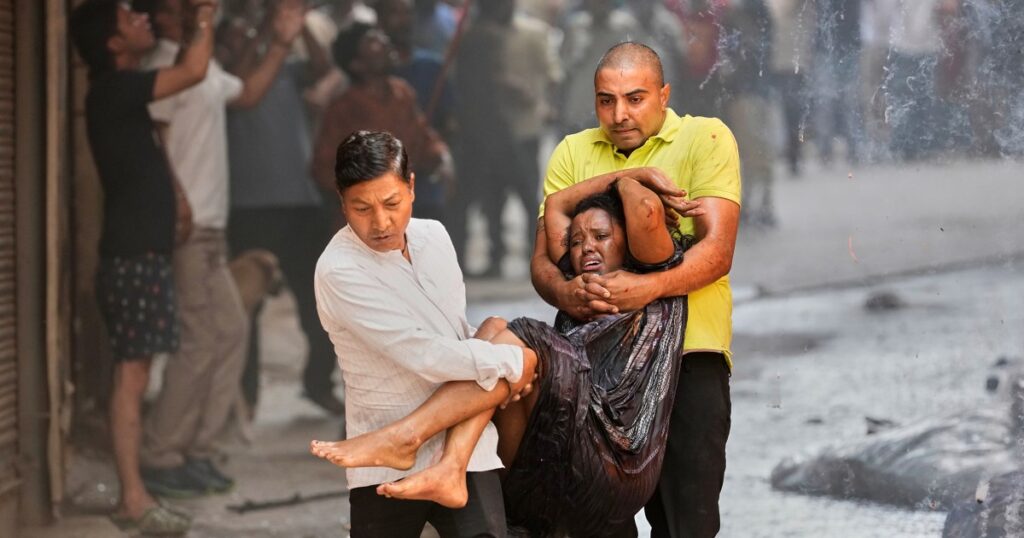
Table of Contents
Tragedy in South Delhi
A catastrophic fire ripped through a hotel in the Malviya Nagar neighborhood of South Delhi on Wednesday, leaving at least 21 people dead and dozens more fighting for their lives. The incident, described by local authorities as one of the deadliest building fires in the capital in recent years, underscores a recurring and deadly tension between rapid urban growth and lagging safety infrastructure.
The hotel, situated in a densely populated residential area known for attracting students and young professionals, became a death trap as smoke and flames engulfed the structure. Emergency responders managed to rescue approximately 40 individuals, but the narrow lanes of Malviya Nagar—typical of Delhi’s older residential pockets—severely hampered the movement of heavy fire tenders and rescue equipment.
A Commercial Breach in a Residential Zone
While the official cause remains under investigation, preliminary reports point toward a dangerous intersection of commercial activity and residential living. Jitendra Kumar, a local administration official, told reporters that a restaurant was operating on the ground floor of the building. According to Kumar, it is highly probable that the blaze originated in the restaurant’s kitchen area, potentially due to a gas leak or electrical short-circuit, before migrating vertically through the building.
The presence of a commercial restaurant in a predominantly residential zone is not uncommon in Delhi, but it frequently occurs in defiance of municipal zoning laws. These “mixed-use” conversions often bypass critical fire safety audits, leaving buildings without the necessary fire escapes, smoke detectors, or sprinkler systems required for commercial hospitality venues.
The Horror of the Escape
The scale of the panic was captured in harrowing television footage, which showed thick, black smoke billowing from the upper stories. In several clips, residents and onlookers watched in horror as two individuals attempted to leap from the higher floors of the building in a desperate bid to escape the heat. The charred exterior of the building suggests an accelerant or a high-load fire that overwhelmed the structure’s limited defenses in a matter of minutes.
Prime Minister Narendra Modi issued a statement calling the loss of lives “tragic,” offering condolences to the bereaved families and wishing a speedy recovery to the injured. However, the tragedy is likely to reignite a fierce debate regarding the accountability of building owners and the effectiveness of the Delhi Fire Service’s periodic safety certifications.
The Systemic Failure of Urban Safety
This incident is not an isolated failure but part of a systemic pattern seen across Indian metros. The pressure on real estate in areas like South Delhi leads to the “informalization” of commercial spaces, where residential flats are converted into hotels or eateries without upgrading the electrical grids to handle commercial-grade appliances.
When these structures catch fire, the lack of an internal fire hydrant system and the congestion of the surrounding streets create a lethal combination. For many of the victims—likely students and migrants renting rooms in the hotel—the lack of a clear evacuation plan meant there was simply nowhere to go once the ground floor was engulfed.