Deezer Bets on Human Creativity With ‘Remix Lab’ as Streaming Giants Lean Into AI
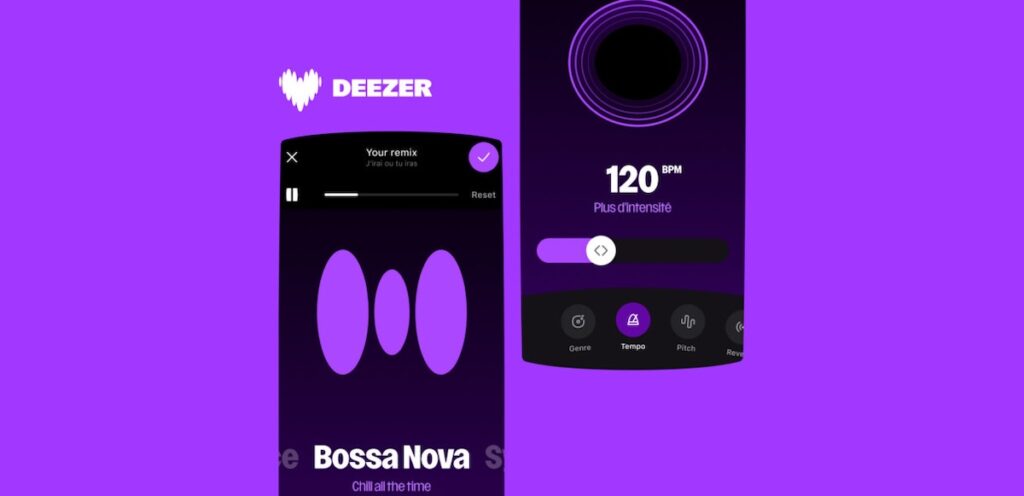
Table of Contents
A Divergence in the Streaming Wars
While the broader music streaming industry is currently racing toward an AI-integrated future, Deezer is attempting to carve out a counter-narrative. The platform has officially unveiled Remix Lab, a new feature that allows listeners to remix tracks directly within the app. On the surface, it sounds like a standard creative tool, but the underlying philosophy is a deliberate strike against the generative AI trend dominating competitors like Spotify and YouTube.
Unlike the algorithmic ‘covers’ or AI-generated stems currently proliferating across the web, Remix Lab operates on a strict foundation of artist consent and human agency. Deezer is positioning this not as a technological shortcut, but as a creative bridge between the listener and the performer. Most crucially, the platform has integrated a payment model where artists are compensated for every stream of these user-generated remixes, addressing a primary pain point in the ongoing tension between creators and tech platforms.
Beyond the Prompt: How Remix Lab Works
The technical implementation of Remix Lab avoids the “black box” approach of AI generation. Instead of asking a prompt to “make this song sound like synthwave,” users utilize in-app tools to manually manipulate the audio. According to Pierre Trochu, Deezer’s head of product, the toolset allows for adjustments in tempo and the application of reverb, as well as more complex structural shifts in genre and style.
This approach transforms the streaming app into a lightweight Digital Audio Workstation (DAW), encouraging a level of intentionality that AI-generated music lacks. By keeping the human in the driver’s seat, Deezer is attempting to preserve the “craft” of the remix while still offering the accessibility of a mobile app. This distinguishes them sharply from Spotify’s recent collaborations with Universal Music Group, which have explored AI-driven cover versions of popular tracks.
The Anti-AI Stance
This launch is the latest move in a broader strategy by Deezer to distance itself from synthetic audio. The company has already deployed internal tools designed to scan playlists from rivals like Apple Music and Spotify to identify and flag AI-generated content. Furthermore, Deezer remains one of the only major platforms to actively exclude AI tracks from its editorial playlists and recommendation engines, arguing that such content often crowds out human artists and dilutes the discovery process.
CEO Alexis Lanternier emphasized that the feature is designed to “maximize earnings for each track” while respecting intellectual property. By requiring explicit consent from rights holders before a song becomes “remixable,” Deezer is effectively creating a gated ecosystem where the artist retains control over their sonic brand—a sharp contrast to the wild-west nature of AI training sets.
Regional Rollout and Artist Participation
Currently, Remix Lab is experiencing a phased rollout, starting in France. The initial library of available artists includes a mix of established and contemporary names such as Céline Dion, Tiakola, and Zaho. To incentivize adoption, Deezer has integrated the feature with its “Deezer Club,” hosting contests where winning remixes will be featured in dedicated playlists and rewarded with exclusive merchandise and tickets to Purple Door events.
The success of Remix Lab will likely serve as a bellwether for the industry. If users gravitate toward manual creation over AI-generated convenience, it may signal to other streaming services that there is a sustainable market for “prosumer” tools that empower fans without replacing the artist. For now, Deezer is betting that the desire for authentic creative connection outweighs the appeal of a generated track.