Crypto Super PAC’s Texas Primary Blitz Signals New Era of Digital Asset Political Influence
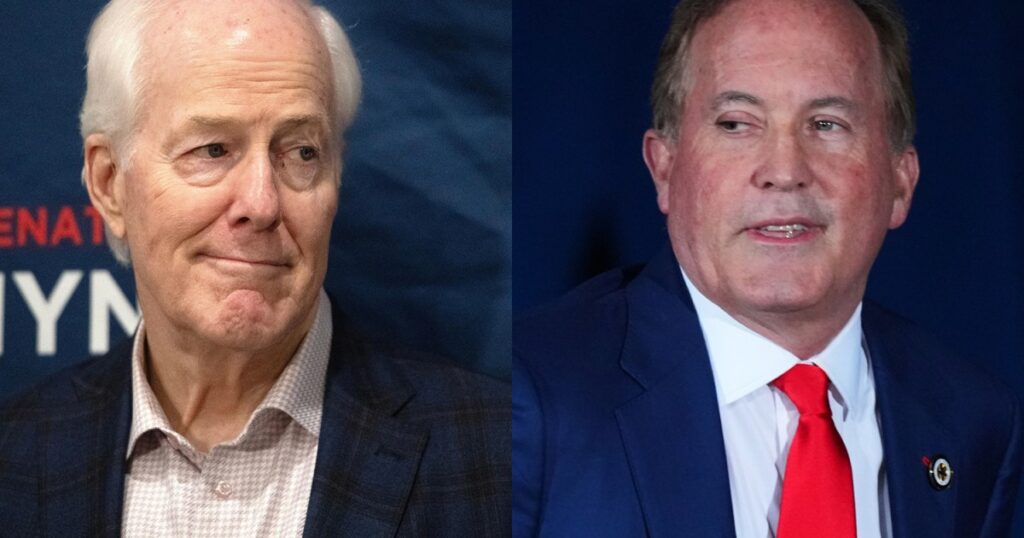
Table of Contents
The New Digital Kingmakers
While the headlines from the Texas primary run-offs are dominated by the dramatic fall of establishment Republican Senator John Cornyn and the rise of Trump-backed Ken Paxton, a quieter, more systemic shift occurred in the state’s congressional districts. The victory of Christian Menefee over veteran Congressman Al Green marks more than just a generational hand-off in a safe Democratic seat; it serves as a high-profile proof of concept for the burgeoning political power of the cryptocurrency industry.
At the center of this shift is Fairshake, a pro-cryptocurrency super PAC that has aggressively deployed millions of dollars to install candidates who view digital assets not as a regulatory hurdle, but as a financial frontier. In the contest between Menefee and Green, Fairshake didn’t just provide support—they attempted to engineer the outcome. By targeting Green’s skepticism toward certain crypto agendas, the PAC effectively weaponized the industry’s capital to reshape the legislative pipeline.
Money as a Mechanism for Policy Change
The influence of Fairshake in the Menefee-Green race highlights a strategic evolution in how the tech sector interacts with Washington. For years, the crypto lobby operated primarily through niche advocacy and grassroots community building. Now, the strategy has shifted toward the direct replacement of lawmakers who are perceived as obstacles to the industry’s expansion.
Geoff Vetter, a spokesperson for Fairshake, didn’t mince words regarding the PAC’s impact, suggesting the group was the “difference-maker” in the run-off. This admission underscores a growing trend: the transition of cryptocurrency from a fringe financial instrument to a central pillar of political fundraising and candidate recruitment.
For the tech industry, this represents a critical pivot. The ability to swing a race in a heavily Democratic district suggests that the crypto lobby is no longer solely aligned with libertarian or right-wing ideologies. Instead, they are pursuing a pragmatic, bipartisan approach—funding any candidate, regardless of party, who will commit to a favorable regulatory environment for stablecoins, DeFi, and blockchain infrastructure.
The High Cost of Digital Skepticism
The defeat of Al Green provides a cautionary tale for incumbents who underestimate the financial agility of the digital asset sector. Green’s opposition to parts of the crypto agenda made him a target for a level of spending that typically reserves itself for high-stakes Senate races, not primary run-offs in safe districts. This aggressive spending pattern suggests that Fairshake and similar entities are treating the 2026 midterms as a primary battleground to ensure a “crypto-friendly” majority in the House.
This trend mirrors the broader dynamics seen in other high-profile Texas races, such as the return of former Representative Colin Allred to the North Texas congressional scene. While Allred’s battle with Julie Johnson was characterized by traditional political friction over ethics and wealth, the surrounding electoral ecosystem is increasingly influenced by these specialized, high-capital interest groups.
Implications for Future Regulation
The success of candidates like Menefee, backed by the crypto industry, likely signals a shift in how the next Congress will approach the SEC and the CFTC. With more “industry-aligned” representatives entering the fray, the pressure to move away from regulation-by-enforcement toward a structured, statutory framework for digital assets will intensify.
As the dust settles on the Texas primaries, the real story for the technology sector isn’t just who won, but how they were funded. The Fairshake model suggests that the era of the ‘crypto-lobby’ has evolved into the era of the ‘crypto-kingmaker,’ where digital asset wealth is directly translated into legislative power.