Colombia’s Presidential Runoff Sets Stage for High-Stakes Clash Between Right-Wing Outsider and Leftist Heir
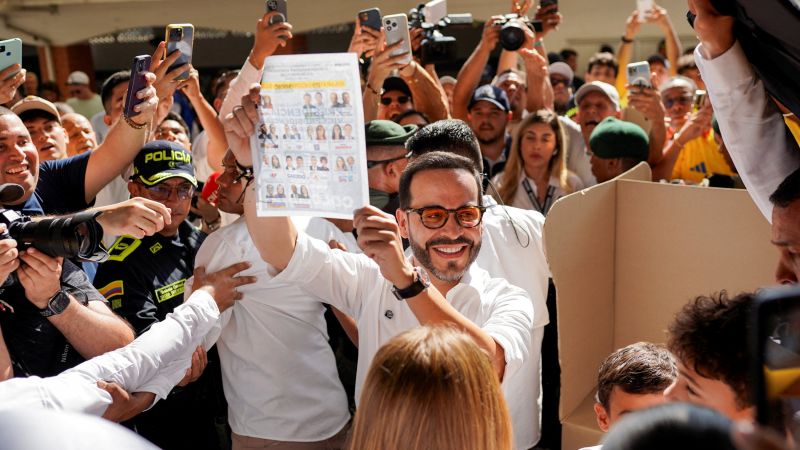
Table of Contents
A Divided Electorate Heads Toward June 21
Colombia is bracing for a high-intensity political showdown after Sunday’s first-round presidential election failed to produce an outright winner, leaving the nation split between two diametrically opposed visions of governance. With over 99% of the votes tallied, right-wing outsider Abelardo de la Espriella has surged into the lead with 43.74% of the vote, setting up a June 21 runoff against Senator Iván Cepeda, who secured 40.90% representing the leftist Historic Pact coalition.
The results represent a significant blow to the established political order and a complex referendum on the current administration of Gustavo Petro. Paloma Valencia, representing the Democratic Center party founded by former President Álvaro Uribe, trailed significantly with 6.92%. In a move that could solidify a right-wing surge, Valencia has already thrown her support behind de la Espriella, framing the upcoming runoff as a critical defense against what she termed “new communism.”
The Rise of the ‘Bukele-Style’ Challenger
Abelardo de la Espriella, a 47-year-old lawyer and businessman, has managed to capitalize on a growing appetite for “strongman” leadership. His campaign has mirrored the rhetoric of El Salvador’s Nayib Bukele, prioritizing a hardline approach to security and law and order over the negotiated peace processes that have defined Colombian politics for the last decade.
De la Espriella’s platform is a stark departure from the current administration. He has pledged a return to economic liberalization, including expanded oil exploration and lower taxes, while strengthening security ties with the United States and Israel. His victory in the first round was celebrated at his campaign headquarters in Barranquilla, where he vowed to defeat “tyranny and absolutism” and explicitly called on the U.S. government to monitor the integrity of the upcoming runoff.
The Legacy of ‘Total Peace’ on the Ballot
On the other side of the divide is Iván Cepeda, 63, a veteran human rights advocate and the standard-bearer for President Petro’s governing coalition. Cepeda is campaigning on the continuity of the “total peace” strategy—a controversial policy of simultaneous negotiations with multiple guerrilla factions and criminal organizations.
For Cepeda, the election is not merely about administration, but about safeguarding a “democratic revolution” aimed at agrarian reform and social inclusion. However, this approach has become a lightning rod for criticism. Opponents argue that the “total peace” framework has emboldened illegal actors and eroded state authority, a sentiment exacerbated by a surge in gang activity and high-profile political violence.
The volatility of the current climate was underscored by the assassination of presidential candidate Miguel Uribe Turbay, who died in August after being shot at a campaign rally. Such instability has pushed security to the forefront of the voter’s mind, potentially benefiting de la Espriella’s confrontational security narrative.
A Verdict on the Petro Era
As the country moves toward the June runoff, the election is widely viewed as a final grade for Gustavo Petro’s presidency. While supporters point to expanded social protections, critics cite sluggish economic growth and a failure to deliver on healthcare promises as primary reasons for the right-wing shift.
President Petro himself has reacted with skepticism to the preliminary results, stating he will wait for official data from the vote-counting commissions before accepting the outcome. This tension suggests that the transition of power, regardless of who wins on June 21, may be fraught with institutional friction.
The eventual winner will not only dictate Colombia’s internal security and economic trajectory but will redefine the strategic partnership between Bogotá and Washington, as well as its precarious relationship with Venezuela.