Colombia’s Presidential Runoff: A High-Stakes Clash Between Right-Wing Populism and the Left
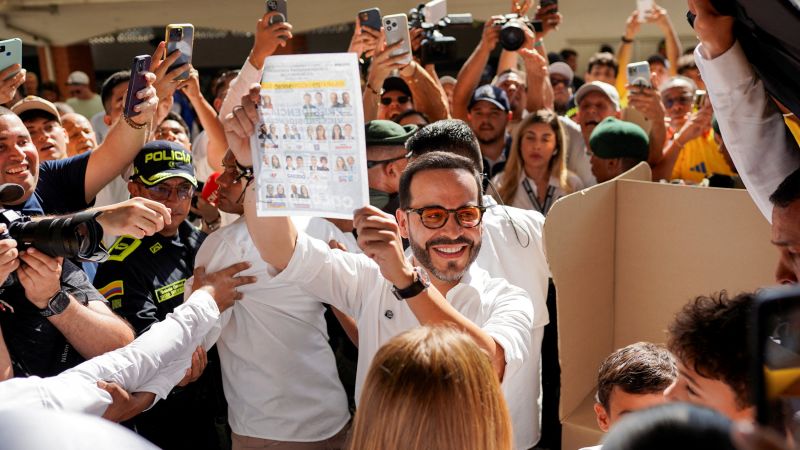
Table of Contents
A Polarized Nation Heads to the Polls
Colombia is bracing for a June 21 runoff election that represents more than just a change in leadership; it is a referendum on the country’s identity and its trajectory in the Americas. With over 99% of the first-round votes tallied, right-wing outsider Abelardo de la Espriella has emerged as the frontrunner with 43.74% of the vote, though he fell short of the absolute majority needed to avoid a second round.
Standing in his way is Senator Iván Cepeda, the standard-bearer for the left-wing Historic Pact coalition, who secured 40.90% of the vote. The narrow gap between the two candidates underscores a deeply fractured electorate, divided between those seeking a radical break from the current administration and those wishing to solidify the progressive reforms initiated by President Gustavo Petro.
The third-place candidate, Paloma Valencia of the Democratic Center, trailed significantly with 6.92%. However, her influence remains pivotal. Shortly after the results were announced, Valencia—the first woman to win her party’s nomination—threw her support behind de la Espriella. Her endorsement is a strategic move designed to consolidate the right and center-right vote, framed as a necessary bulwark against what she describes as the persistence of “new communism” in Colombia.
The Outsider’s Gambit: De la Espriella’s Vision
Abelardo de la Espriella, 47, is not a traditional politician. A lawyer and businessman, de la Espriella has cultivated an image as a disruptive force, drawing frequent comparisons to El Salvador’s Nayib Bukele. His platform is built on a foundation of conservative nationalism, emphasizing aggressive security measures, economic liberalization, and a robust alignment with the United States and Israel.
De la Espriella has promised to dismantle the current administration’s approach to crime, pledging a more confrontational stance against criminal organizations. Economically, he is pushing for lower taxes and a reversal of President Petro’s restrictions on oil exploration, aiming to revitalize the energy sector to drive growth. In a celebratory address to supporters in Barranquilla, de la Espriella characterized the upcoming runoff as a fight to defeat “tyranny and absolutism,” explicitly calling on the U.S. government to monitor the proceedings closely.
The Continuity Candidate: Iván Cepeda’s Challenge
Conversely, Senator Iván Cepeda, 63, represents the institutional continuity of the Petro era. A seasoned human rights advocate and the son of the assassinated politician Manuel Cepeda Vargas, Cepeda’s campaign is rooted in the “democratic revolution.” He seeks to expand social protections, push forward agrarian reform, and maintain the government’s controversial “total peace” strategy.
The “total peace” policy—which involves simultaneous ceasefire negotiations with various guerrilla factions and criminal gangs—has become the primary fault line of the campaign. While Cepeda argues this is the only viable path to ending decades of systemic violence, critics argue the policy has created a vacuum of authority that criminal gangs have exploited to increase their territorial control.
A Climate of Violence and Instability
The stakes of this election have been heightened by a surge in political violence. The campaign was marred by the assassination of candidate Miguel Uribe Turbay, who died in August after being shot at a rally in June. This tragedy has fueled the narrative that Colombia’s security situation is deteriorating, providing significant political ammunition for de la Espriella’s tough-on-crime rhetoric.
President Gustavo Petro, who is constitutionally barred from seeking re-election, has already expressed skepticism regarding the preliminary results. His refusal to accept the early data suggests a tense transition period, as the ruling coalition fights to maintain its grip on power.
As the June 21 runoff approaches, the result will determine whether Colombia doubles down on its current social experimentation or pivots toward a more traditional, security-focused conservative model. The outcome will inevitably redefine the country’s relationship with its neighbors and its strategic partnership with the United States.