Chip Sector Wobbles as SpaceX IPO Looms and Middle East Tensions Spook Markets
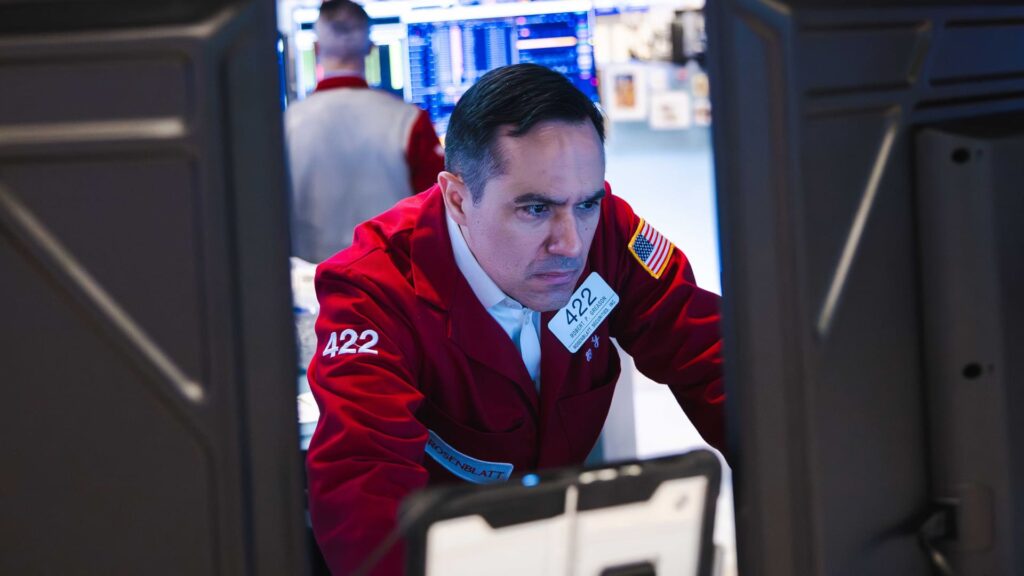
Table of Contents
The Semiconductor Slide
The tech-heavy Nasdaq Composite tumbled nearly 2% on Wednesday, marking a volatile stretch for the semiconductor sector. The sell-off, which saw the iShares Semiconductor ETF (SOXX) drop more than 3%, wasn’t an isolated event but rather a continuation of a bruising trend that saw some chip assets lose 10% in a single session last week. Industry heavyweights including Micron Technology, Advanced Micro Devices (AMD), and Broadcom all felt the pressure, falling for the fourth time in five trading days.
While the AI-driven rally has kept the SOXX ETF up roughly 80% year-to-date, the current volatility suggests a shift in investor psychology. The market is grappling with a classic case of profit-taking following a vertical ascent, but there is a more specific catalyst at play: the impending SpaceX IPO.
The SpaceX Liquidity Effect
Market analysts are observing a curious pattern where retail and institutional investors appear to be liquidating “winner” positions in the chip sector to carve out capital for the highly anticipated SpaceX public offering on Friday. Given that SpaceX is poised to be one of the largest IPOs in history, the lure of Elon Musk’s aerospace giant is creating a liquidity vacuum in other high-growth tech stocks.
This rotation suggests that while the fundamental appetite for AI hardware remains, the immediate demand for liquidity is outweighing the long-term bullishness on silicon. The result is a precarious environment where even slight negative catalysts can trigger outsized sell-offs.
Geopolitics and the Oil Hedge
The tech rout was compounded by a sudden spike in geopolitical risk. President Donald Trump signaled a hardening stance toward Iran, stating that negotiations were taking “too long” and threatening more aggressive military action. This followed U.S. Central Command’s reports of strikes in response to the downing of a U.S. Army Apache helicopter over the Strait of Hormuz.
The reaction in the energy markets was immediate. West Texas Intermediate (WTI) crude futures climbed 2.07% to settle at $90.03 a barrel, while Brent crude rose to $93.10. For tech investors, rising energy costs often signal inflationary pressure, which can lead to higher interest rates—a direct headwind for the valuation of growth stocks like those in the semiconductor space.
Economic Divergence and the “Safe Haven” Pivot
Amidst the chaos, a distinct divergence emerged in the S&P 500. While tech was bleeding, companies like Coca-Cola and TJX Companies hit all-time highs. Morgan Stanley recently reiterated an overweight rating on Coca-Cola, citing organic sales growth and the strength of the Fairlife milk brand as key drivers. This pivot toward consumer staples indicates a “flight to safety” as investors hedge against both geopolitical instability and the volatility of the AI trade.
Further complicating the landscape is the latest data from the Bureau of Labor Statistics. May’s core consumer price index (CPI) came in at 0.2%—slightly lower than the 0.3% consensus estimate—but the headline annual inflation rate climbed above 4% for the first time in three years. This stubborn inflation keeps the Federal Reserve in a tight spot, making the market even more sensitive to the “risk-off” signals currently emanating from the Middle East and the chip sector.
Amazon’s Logistics Play
Adding to the day’s volatility, Amazon sent shockwaves through the freight industry by announcing that its trucking services are opening to companies outside its own network. The move into less-than-truckload (LTL) shipping—offering services to any business regardless of their warehouse relationship with Amazon—immediately hammered shares of traditional carriers. Old Dominion Freight Line plummeted over 6%, while ArcBest saw a 4% drop, as the market began to price in the disruptive potential of Amazon’s nascent Supply Chain Services program.