Capturing the Chaos: How Getty Images Is Using Composite Photography to Map the 2026 World Cup Expansion
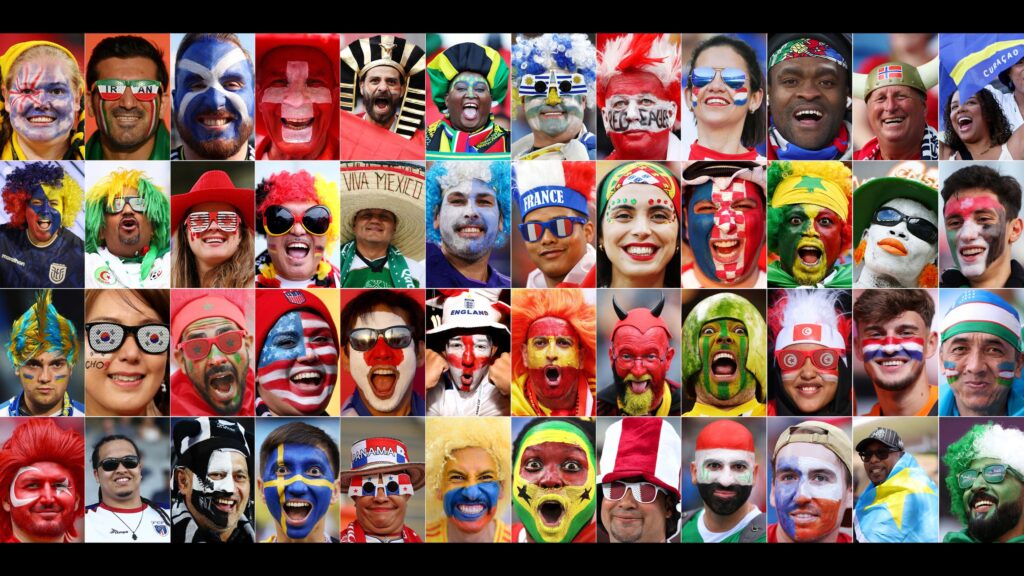
Table of Contents
The Technical Challenge of a 48-Team Canvas
As FIFA prepares for the 2026 World Cup, the scale of the tournament is reaching an unprecedented tipping point. For the first time in history, the competition will expand to 48 teams, a jump from the 32-team format that has defined the tournament for nearly two decades. While the sporting world focuses on the logistical nightmare of 104 total matches across 16 cities in the U.S., Canada, and Mexico, Getty Images is tackling the expansion through a different lens: the technical art of the composite portrait.
A newly released composite photograph by Getty staff photographers attempts to synthesize the global reach of the tournament by placing one fan from every qualifying nation into a single frame. In photography, a composite isn’t a simple collage; it is a calculated assembly of multiple disparate images, blended to create a cohesive whole. To achieve this, Getty photographers had to maintain strict consistency in lighting, focal length, and framing across 48 separate shoots, ensuring that the transition between a fan from Mexico City and one from Casablanca feels seamless rather than fragmented.
Beyond the Grid: The Art of Human Expression
From a technical standpoint, the project serves as a study in contrast and consistency. The resulting image is a vivid tapestry of face paint, oversized glasses, national jerseys, and traditional headwear. However, the real achievement lies in the emotional synchronization. By aligning the eyes and expressions of the subjects, the composite transcends a mere headcount of teams, instead highlighting the universal psychology of sports fandom.
The image captures a spectrum of human emotion—ranging from the wide-eyed anticipation of a first-time qualifier to the weathered intensity of a veteran supporter. For digital imaging specialists, this represents a significant exercise in color grading and skin-tone balancing, as images captured in different climates and under varying light sources must be normalized to exist in the same digital space without looking artificial.
Logistical Shifts and the 2026 Blueprint
The photography project mirrors the sheer ambition of the tournament itself. The move to 48 teams isn’t just a change in numbers; it’s a complete restructuring of the World Cup’s DNA. The expanded format means more matches, more travel, and a significantly larger footprint for the media agencies tasked with covering it. The tournament will culminate on July 19 at MetLife Stadium in New Jersey, but the road there will be more grueling than ever before.
This expansion creates a massive data and imagery challenge for agencies like Getty. Covering 104 matches across three North American countries requires a decentralized deployment of photographers and a robust cloud-based pipeline to transmit high-resolution assets in real-time. The composite portrait acts as a conceptual prelude to this operational hurdle—a way of visualizing the scale of the event before the first whistle blows on June 11.
The Intersection of Sports and Digital Imaging
For those following the evolution of sports photography, this project highlights a shift toward more conceptual, narrative-driven imagery. While the “action shot” remains the gold standard, the use of composite techniques allows agencies to tell a broader story about identity and globalization. It moves the needle from reporting what happened on the pitch to exploring who is watching from the stands.
As the 2026 World Cup approaches, the intersection of high-end digital processing and sports journalism will be on full display. Whether through AI-assisted sorting of millions of images or the meticulous crafting of composite portraits, the goal remains the same: capturing the visceral human element within an increasingly massive corporate spectacle.


