Blue Origin’s New Glenn Suffers Catastrophic Failure During Static Fire Test in Florida
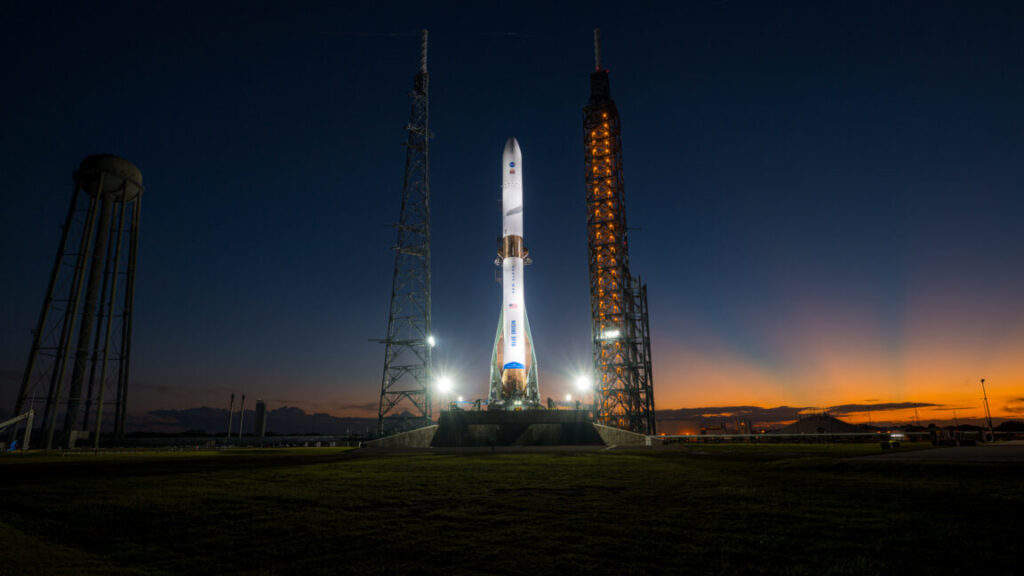
Table of Contents
A Catastrophic Setback at LC-36A
Blue Origin’s trajectory toward becoming a dominant force in heavy-lift orbital flight hit a violent wall Thursday evening. During a static fire test at the company’s Florida launch site, a New Glenn booster suffered a catastrophic failure, resulting in a massive explosion that leveled the vehicle and caused significant damage to the surrounding infrastructure.
The event was captured in vivid detail by NASASpaceflight.com’s Space Coast Live feed, which showed the methane-fueled first stage erupting into a towering fireball. The scale of the conflagration has drawn immediate comparisons to some of the most disastrous failures in aerospace history, with some observers noting the sheer energy of the blast echoed the failures of the Soviet N1 rocket program in the late 1960s.
While the exact cause of the failure remains under investigation, early indicators suggest the anomaly originated within the engine section of the first stage. The vehicle was powered by seven BE-4 engines, the high-performance liquid methane and liquid oxygen (methalox) powerplants that are central to Blue Origin’s orbital strategy. In a brief statement on X, founder Jeff Bezos acknowledged the severity of the day, stating, “Very rough day, but we’ll rebuild whatever needs rebuilding and get back to flying.”
Infrastructure Damage and the Road to Recovery
The loss of the hardware is only one part of the crisis. Sources close to the operation indicate that the explosion caused extensive damage to Launch Complex 36A (LC-36A). Preliminary reports suggest the transporter-erector—the massive machinery used to move and raise the rocket—may be damaged beyond repair, and there are concerns that one of the site’s lightning towers is no longer salvageable.
This level of pad destruction creates a daunting timeline for recovery. Industry veterans point back to SpaceX’s 2016 Falcon 9 pad failure at SLC-40, which required over a year of reconstruction before the site was operational again. While Blue Origin has begun constructing a second launch site nearby, LC-36B, the project is still in its early stages. For a company that was just beginning to find its rhythm, the prospect of a grounded fleet through 2026 is a significant blow.
The timing is particularly painful. Blue Origin had recently demonstrated a level of maturity and reliability that had eluded it for years, including the successful reuse of a New Glenn first stage in April. The company was poised to transition from experimental flights to a consistent monthly launch cadence, moving it into the same elite tier as SpaceX.
NASA’s Lunar Timelines in Jeopardy
The ripple effects of the explosion extend far beyond Blue Origin’s balance sheet, directly impacting NASA’s Artemis-era goals. On Tuesday, NASA selected New Glenn to deliver the first two lunar rovers from Lunar Outpost and Astrolab to the Moon in 2028. The agency is also heavily reliant on the Blue Moon Mark 1 and Mark 2 landers for cargo and crewed missions.
The Mark 2 lander, designed for a more powerful nine-engine variant of the New Glenn (known as 9×4), is a critical redundancy for NASA. Alongside SpaceX’s Starship, the Blue Moon system is intended to establish a sustainable human presence on the lunar surface. With the current 7-engine variant destroyed and the launch pad crippled, the schedule for these missions now faces extreme uncertainty.
There is a small silver lining for Amazon: the payload of Leo internet satellites intended for the flight were safely stored in a nearby integration facility and were not affected by the blast. Given Jeff Bezos’s virtually bottomless financial commitment to the venture, the company is unlikely to fold, but the window for its 2026 and early 2027 goals has effectively slammed shut.


