Blue Origin’s New Glenn Explosion Leaves Commercial Space Sector Scrambling for Capacity
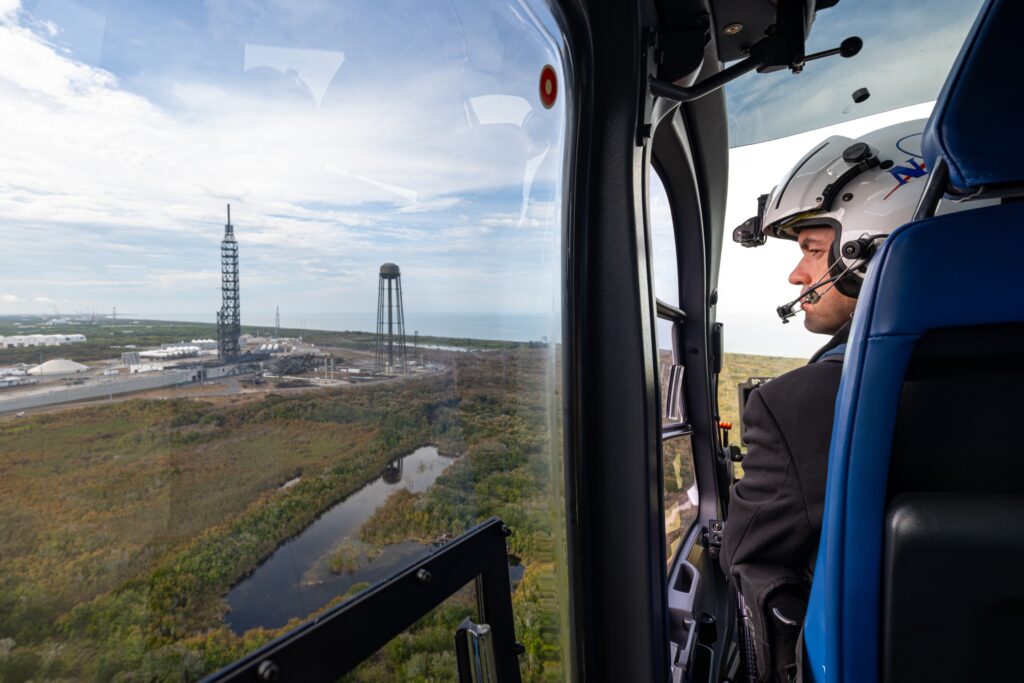
Table of Contents
A Catastrophic Setback at Launch Complex 36
The commercial space industry is facing a sudden, severe contraction in heavy-lift capacity following the explosion of a Blue Origin New Glenn rocket during a static-fire test at Cape Canaveral. While Blue Origin has remained relatively tight-lipped about the specifics of the May 28 incident, the physical evidence suggests a failure of significant proportions. Visual reports from the site on May 29 confirmed the collapse of a lightning tower and the complete destruction of the rocket’s transporter-erector, leaving the main launch tower damaged with visible structural warping.
Dave Limp, CEO of Blue Origin, stated in a social media post on May 30 that the company is “actively investigating the hotfire anomaly” and has a rebuild plan in place. However, the absence of a concrete timeline is causing anxiety across the sector. Historically, pad recovery is a glacial process. For context, when SpaceX suffered a similar static-fire explosion at Space Launch Complex 40 in 2016, it took the company 15 months to return to operational status.
The ‘Surgery’ of Pad Recovery
The complexity of returning to flight isn’t just about pouring concrete and welding steel; it’s about forensic preservation. Kiko Donchev, SpaceX’s VP of Launch, noted that the initial phase of cleanup requires a “scalpel, not a bulldozer.” This meticulous process—which Donchev described as “launch pad surgery”—is necessary to preserve evidence for accident investigators while salvageable components are carefully extracted. For Blue Origin, which lacks alternative pads for the New Glenn, this means the vehicle is effectively grounded until LC-36 is fully restored, a process that industry insiders suggest could take a year or more.
The Ripple Effect on NASA and Amazon
The timing of the failure is particularly damaging for NASA. Just two days prior to the blast, the agency had awarded Blue Origin contracts for two Blue Moon Mark 1 lander missions. These missions are critical for delivering lunar rovers developed by Astrolab and Lunar Outpost. NASA Administrator Jared Isaacman’s immediate aerial tour of the damage and meeting with Jeff Bezos underscores the agency’s nervousness regarding its lunar timeline.
Equally impacted is Amazon. The lost vehicle was slated for the NG-4 launch, which would have deployed 48 satellites for the Amazon Leo constellation. With 24 launches currently under contract, New Glenn is the primary artery for deploying over a third of Amazon’s planned 3,232-satellite network—a project that was already struggling with scheduling delays.
A Precarious Market for Satellite Operators
For companies like AST SpaceMobile, the New Glenn failure is a strategic blow. After losing the BlueBird 7 satellite on the NG-3 launch in April, the company was banking on New Glenn’s massive payload capacity—up to eight satellites per launch compared to Falcon 9’s three—to reach its goal of 45 orbiting satellites by year-end. The market responded swiftly, with AST SpaceMobile shares dropping nearly 15% the day after the explosion.
While AST SpaceMobile has hinted at using ULA’s Vulcan rocket, that path is fraught with its own complications. Vulcan has seen limited flight history since February, and its current manifest is already crowded with Space Force and Amazon missions. This creates a claustrophobic environment for commercial satellite operators: demand for launch is peaking just as one of the few heavy-lift options has been removed from the board.
The Starship Mirage
There is a prevailing narrative that SpaceX’s Starship will eventually democratize space by slashing launch costs, but industry experts warn this is a short-term fallacy. Eric Romo, president of Impulse Space, argued during the recent ASCEND conference that Starship will likely be reserved for SpaceX’s own internal needs—such as next-generation Starlink satellites and NASA’s Human Landing System—rather than serving as a general-purpose commercial taxi in the immediate future.
Furthermore, as SpaceX migrates its internal payloads from Falcon 9 to Starship, the available slots on the reliable Falcon 9 fleet may actually decrease, potentially driving up prices for the remaining commercial users. Combined with the New Glenn setback, the industry may be heading toward a systemic capacity crisis by 2029 and 2030, where the gap between satellite production and launch availability becomes an insurmountable bottleneck.