Apple’s AI Credibility Test: Can Siri AI Salvage the Company’s Intelligence Reputation?
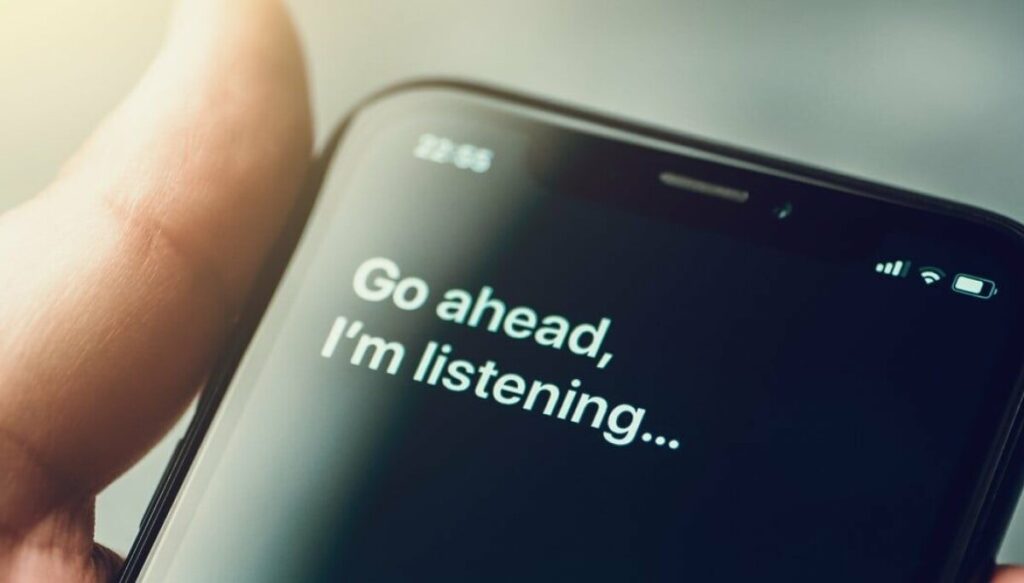
Table of Contents
A High-Stakes Pivot for Cupertino
Apple’s latest keynote was less of a product showcase and more of a strategic defensive maneuver. With the unveiling of a revamped artificial intelligence stack and the rebranding of its virtual assistant to Siri AI, the company is attempting to claw back narrative control in a market where it has spent the last two years playing catch-up.
The focus on Apple Intelligence was singular, pushing platform updates and child safety features to the periphery of the broadcast. For Apple, the stakes are existential. After the perceived failure of its initial AI efforts—which sparked lawsuits alleging the company exaggerated Siri’s capabilities to drive hardware sales—this iteration represents a necessary pivot from marketing hype to functional utility.
The Gemini Influence and Feature Parity
While Apple describes its new models as proprietary foundation builds, the architectural influence of Google is evident. A massive deal with Google earlier this year has integrated Gemini as a core component of Apple’s AI development. This partnership allows Apple to offer features that have been staples of the Android ecosystem for months: deep contextual understanding of image, voice, and text, and the ability to translate natural language into complex Safari extensions or Shortcuts.
The most visible change is the transformation of Siri. Now operating as ‘Siri AI,’ the assistant is transitioning into a conversational interface with its own standalone app, mirroring the deployment strategy of Gemini. By syncing user requests and conversations across iCloud, Apple is finally moving Siri away from a rigid command-and-response tool toward a fluid, cross-device agent.
The Hardware Divide and European Friction
In an effort to avoid the legal pitfalls of previous hardware-locking strategies, Apple is deploying these features to a broader range of existing devices. While the most intensive on-device AI capabilities remain reserved for the iPhone 17 line, iPhone Air, and M3/M4-powered Macs (requiring at least 12GB of RAM), a significant portion of the suite will support the iPhone 16, iPhone 15 Pro series, and M1-equipped devices.
However, the rollout is far from universal. In a move that highlights the growing tension between Silicon Valley and Brussels, Siri AI will not launch in the European Union. Apple cited the Digital Markets Act (DMA) as the primary barrier, claiming that EU regulators rejected proposed solutions for integrating Siri AI while maintaining support for third-party virtual assistants.
Leadership Shakeups and the Ternus Era
The technical shift coincides with a massive internal reorganization. Following the 2024 AI stumble, Apple replaced AI chief John Giannandrea with former Google Gemini lead Amar Subramanya. Overall AI direction has shifted to SVP of Software Engineering Craig Federighi, who now carries the burden of proof for these promises.
This transition also marks the end of an era for Tim Cook’s tenure as the face of WWDC. With John Ternus expected to take the reins this fall, the company is shifting from a period of operational optimization to one that requires genuine innovation. Cook’s legacy is one of fiscal brilliance, but Ternus has the opportunity to redefine Apple not just as a luxury hardware vendor, but as the ‘human face’ of AI.
The Analyst Verdict: The ‘If’ Factor
Industry reaction has been a mix of cautious optimism and skepticism. Francisco Jeronimo, VP of Client Devices at IDC, views this as a ‘credibility test,’ noting that Apple doesn’t need the biggest model, but rather an ‘invisible’ AI that feels trusted and seamless. Ramon Llamas, IDC research director, noted that while Apple is skipping the current ‘agentic AI’ trend, it has successfully signaled its intent to remain a major player.
Yet, a recurring theme among analysts is a lingering sense of doubt. The praise is conditional. The industry is no longer impressed by polished keynotes; it is waiting for the software to actually ship and perform without the hallucinations or failures that plagued previous versions.