Amazon Expands India’s Streaming Footprint With New Fire TV Stick HD
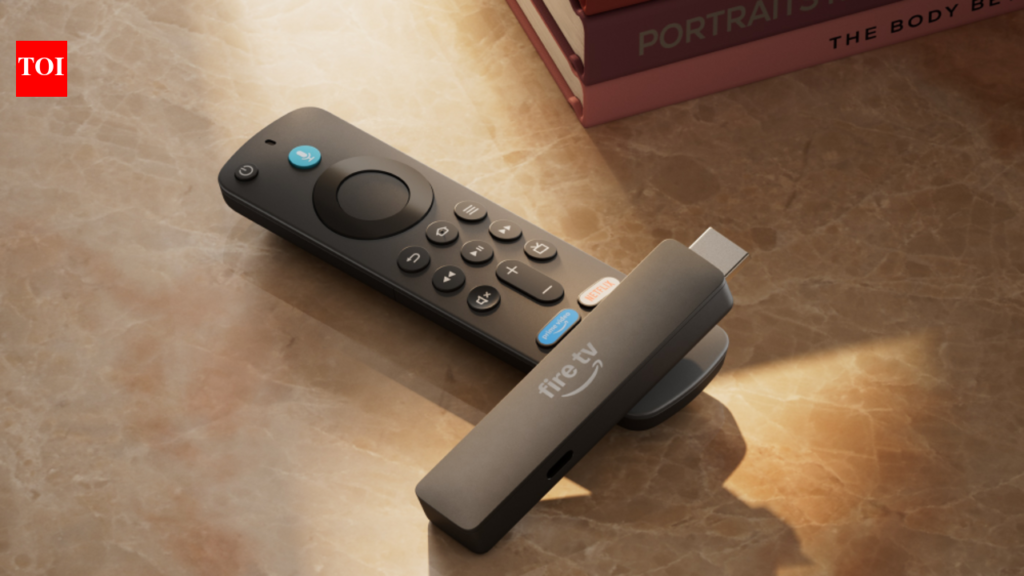
Table of Contents
A Strategic Play for the Mid-Tier Market
Amazon has officially expanded its hardware portfolio in India with the launch of the Fire TV Stick HD. While the company already maintains a presence in the region with various iterations of the Fire TV ecosystem, the HD model is specifically positioned to bridge the gap between entry-level dongles and the more expensive 4K Max variants. This move comes at a time when Indian consumers are rapidly transitioning from linear cable television to app-based streaming, yet many households are still utilizing 1080p displays rather than upgrading to 4K panels.
The device acts as a plug-and-play solution, designed to turn any HDMI-compatible television into a smart hub. By focusing on the HD segment, Amazon is targeting the massive install base of LED and LCD TVs that dominate the Indian living room, offering a more fluid user interface than the built-in OS found in many budget-tier smart TVs.
Hardware Refinements and User Experience
Under the hood, the Fire TV Stick HD emphasizes stability and app-loading speeds. While it doesn’t boast the raw processing power of the Max series, the updated chipset ensures that the Fire OS remains responsive during navigation. The device supports high-definition playback and integrates deeply with the Amazon ecosystem, allowing users to control their streaming experience via the Alexa-enabled remote.
One of the more critical additions for the Indian market is the enhanced support for local streaming services. Beyond Amazon Prime Video, the device is optimized for popular domestic platforms like Disney+ Hotstar, Zee5, and SonyLIV. The integration of Alexa also allows for voice-driven content discovery in multiple languages, a feature that has become a competitive necessity in the fragmented Indian linguistic landscape.
The Ecosystem Lock-in
The launch is less about the hardware itself and more about Amazon’s broader strategy to own the “glass” in the home. By placing a Fire TV Stick in more households, Amazon secures a direct channel to promote its Prime subscription and integrated shopping features. Unlike Google TV or Apple TV, which operate as more agnostic platforms, the Fire TV interface is aggressively designed to keep users within the Amazon orbit.
From a technical standpoint, the HD model maintains a compact form factor, drawing power via a USB cable and connecting directly to the HDMI port. This eliminates the need for bulky set-top boxes, reflecting a broader consumer preference for minimalism in home entertainment setups. The device also supports Bluetooth connectivity for external speakers and headphones, addressing the common issue of poor integrated audio in budget televisions.
Positioning Against the Competition
The Fire TV Stick HD enters a crowded market where Xiaomi’s Mi Box and Google’s Chromecast with Google TV have already established strong footholds. Amazon’s primary lever here is price and distribution. By leveraging its massive logistics network in India, Amazon can undercut competitors on delivery speed and bundle the device with other Prime benefits.
While the lack of 4K support may seem like a limitation, it is a calculated decision. For a significant portion of the demographic, paying a premium for 4K capabilities is illogical if the hardware—the TV itself—cannot display those pixels. The HD stick provides the ‘smart’ experience without the ‘premium’ tax, making it an attractive upgrade for those still using legacy hardware or basic smart TVs with sluggish interfaces.


