Algorithm vs. Intuition: Is AI Actually Better at Matchmaking Than Humans?
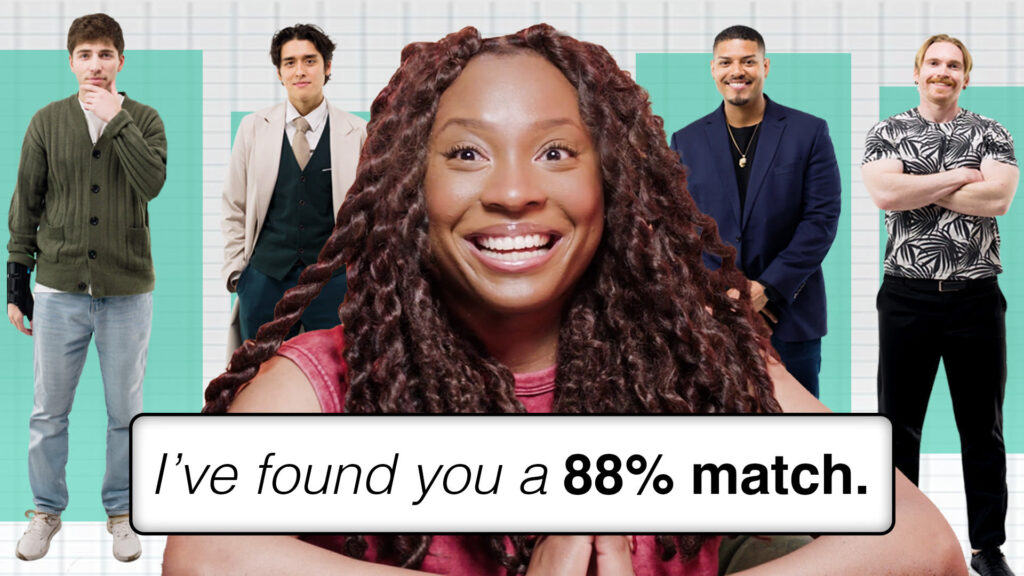
Table of Contents
Algorithm vs. Intuition: Is AI Actually Better at Matchmaking Than Humans?
The age-old art of the ‘blind date’ is undergoing a radical digital transformation. As generative AI and predictive modeling evolve, the industry is shifting from simple filter-based searches to complex behavioral analysis that claims to predict long-term compatibility better than any human matchmaker could.
For decades, matchmaking relied on intuition, social circles, and shared demographics. Today, predictive analytics are replacing the ‘gut feeling’ with data points, attempting to solve the fundamental problem of human attraction: we often don’t know what we actually want until we find it.
- Main Update: Integration of LLMs into dating apps to analyze conversation chemistry.
- Key Feature: Transition from ‘preference-based’ to ‘behavior-based’ matching.
- Industry Shift: Move away from the ‘endless swipe’ toward curated, AI-driven suggestions.
- Core Conflict: Data-driven precision versus the unpredictable nature of human chemistry.
The Shift from Filters to Behavioral Intelligence
Traditional dating apps functioned like digital catalogs. You set your height, age, and location preferences, and the app showed you everyone who fit those criteria. However, the industry has discovered a critical flaw: what users say they want and what they actually respond to are rarely the same.
The Paradox of Choice
Human matchmakers traditionally curate a small pool of candidates to prevent decision fatigue. In contrast, early dating apps created a ‘paradox of choice,’ where too many options led to less satisfaction. Modern dating algorithms are now mimicking human matchmakers by limiting options based on deep-learning compatibility scores.
- Pattern Recognition: AI analyzes which profiles you linger on, not just which ones you swipe right on.
- Sentiment Analysis: New tools analyze the ‘vibe’ and cadence of early chats to predict if a first date will be successful.
- Dynamic Adjustment: Algorithms evolve in real-time based on your feedback and ghosting patterns.
Can Data Quantify ‘Chemistry’?
The central debate in AI matchmaking is whether ‘chemistry’—that inexplicable spark—can be reduced to a mathematical formula. While a human matchmaker understands nuance and social context, AI processes millions of successful pairings to find hidden correlations that humans would overlook.
For instance, an AI might discover that people who enjoy specific obscure hobbies and have similar typing speeds in chat are 40% more likely to stay together for over a year, a correlation no human would ever think to track.
| Feature | Human Matchmaker | AI Algorithm |
|---|---|---|
| Data Volume | Limited to interview/network | Millions of user data points |
| Nuance | High (emotional intelligence) | Medium (sentiment analysis) |
| Speed | Slow/Manual | Instantaneous |
| Objectivity | Subjective/Biased | Data-driven/Pattern-based |
The Ethics of Algorithmic Romance
As we delegate our hearts to code, new ethical concerns emerge. If an AI decides you are incompatible with someone, you may never experience the ‘growth’ that comes from a challenging relationship. We risk creating ‘echo chambers of personality,’ where we only meet people who are mirror images of ourselves.
The Role of Generative AI
The latest wave of generative AI is moving beyond matching and into ‘coaching.’ Some apps now suggest ice-breakers or help users refine their profiles to attract the specific type of partner the algorithm knows they actually need, regardless of their stated preferences.
Why This Matters for the Future of Socializing
The move toward AI matchmaking isn’t just about dating; it’s about the quantification of human relationships. If AI can successfully predict romantic compatibility, the same logic will soon apply to professional networking, roommate matching, and even political alliances.
We are moving toward a world where the ‘serendipity’ of meeting someone is replaced by the ‘certainty’ of a data match. While this reduces the pain of bad dates, it fundamentally alters the human experience of discovery.
What Happens Next
Expect to see a convergence of ‘Hybrid Matchmaking,’ where AI does the heavy lifting of data sorting and a human expert provides the final emotional vetting. We are also likely to see ‘AI Agents’ that negotiate first dates on your behalf, checking calendars and preferences before you ever exchange a word.
Source: Industry analysis based on latest AI deployment trends in consumer social apps and behavioral psychology reports.