The Return of the Budget PC: Qualcomm and Intel Pivot to Undercut the MacBook Neo
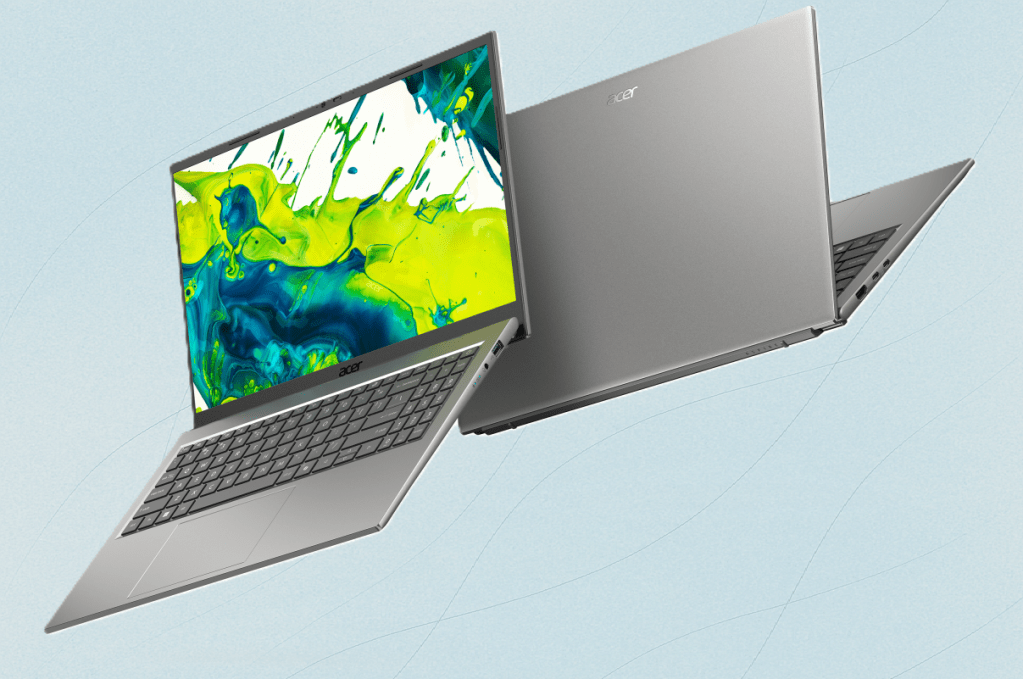
Table of Contents
The race to the bottom of the laptop market
For the past few years, the laptop market has felt increasingly bifurcated. On one end, premium machines with AI-accelerated silicon and towering price tags cater to the corporate elite and power users. On the other, the “budget” sector had largely become a wasteland of sluggish performance and plastic chassis. But a shift is occurring. With the introduction of Qualcomm’s Snapdragon C and Intel’s Wildcat Lake processors, the industry is pivoting back toward the affordable, functional laptop—specifically targeting the vacuum left by Apple’s entry-level strategies.
The catalyst for this renewed competition is the MacBook Neo. Apple’s move to create a lower-cost entry point by swapping high-performance M-series silicon for more modest mobile-derived architecture signaled a shift in the market: there is a massive, underserved demand for devices that aren’t ‘powerhouses’ but simply work efficiently for students and frontline workers.
Qualcomm’s strategic pivot with Snapdragon C
Qualcomm is responding with the Snapdragon C (where the ‘C’ stands for Compute). Unlike the Snapdragon X Elite, which pushed the envelope on raw performance—often at the cost of the legendary battery life associated with ARM architecture—the Snapdragon C takes a different path. It utilizes custom CPU cores derived from Qualcomm’s Kryo lineup rather than the high-performance Oryon cores.
This is a deliberate trade-off. By prioritizing efficiency over peak throughput, Qualcomm is aiming for a class of laptops that are cool, silent, and capable of lasting a full workday without a charger. According to Mandar Deshpande, senior director of product management at Qualcomm, the goal is to bring ‘core advantages’—like responsive multitasking and lag-free streaming—to a price point accessible to families and small business users.
The hardware manifestation of this strategy is already appearing in the Acer Aspire Go 15 (AG15-Q31P). While Acer has been tight-lipped on official pricing, Deshpande indicated that Snapdragon C platforms are designed to hit a price point around $300. For a machine featuring a 15.5-inch 1080p screen and a 53Wh battery, such a price would be disruptive in a market where memory and storage costs have remained stubbornly high.
Intel’s ‘Wildcat Lake’ and the battle for the $400 mark
While Qualcomm leans into ARM efficiency, Intel is fighting back with Wildcat Lake (part of the Core 300 series). Initially positioned for edge and embedded applications, these chips are now surfacing in consumer notebooks as a leaner, more affordable alternative to the flagship Core Ultra lines.
Chinese manufacturer Chuwi is leveraging this silicon in its new UniBook, pricing it at $449—roughly $150 cheaper than the MacBook Neo. However, the UniBook illustrates the compromises inherent in this price bracket. It ships with a modest 8GB of RAM and a 256GB PCI 3.0 SSD, suggesting a device intended for light cloud work rather than local heavy lifting. Intel claims the Core 7 350 (Wildcat Lake) offers significant gains in specialized video analytics over the older Raptor Lake Refresh (Core 7 150U), but for the average user, the primary ‘feature’ here is the cost.
Analyzing the market shift
The arrival of these machines suggests that the ‘AI PC’ hype cycle is finally diversifying. While the headlines focus on NPU TOPS and complex LLM integration, the actual market need remains grounded in utility. The move by HP, Lenovo, and Acer to adopt these lower-tier chips indicates a realization that the K-shaped recovery of the economy has left a gap for devices that bridge the divide between a cheap Chromebook and an expensive Pro laptop.
Whether the Snapdragon C can overcome the long-standing software compatibility hurdles of Windows-on-ARM remains to be seen, but the pricing strategy is clear: undercut Apple and make the Windows ecosystem the default choice for the budget-conscious student. If a $300 laptop can actually deliver a seamless Windows 11 experience without a loud cooling fan, the MacBook Neo may find itself crowded out before it even gains full traction.