The ‘Optimal’ Hydration Myth: Why Wellness Tech is Selling You Water You Don’t Need
From TikTok influencers to 'science-backed' powders, the wellness industry is rebranding basic hydration as a complex science. Here is the reality of electrolytes.
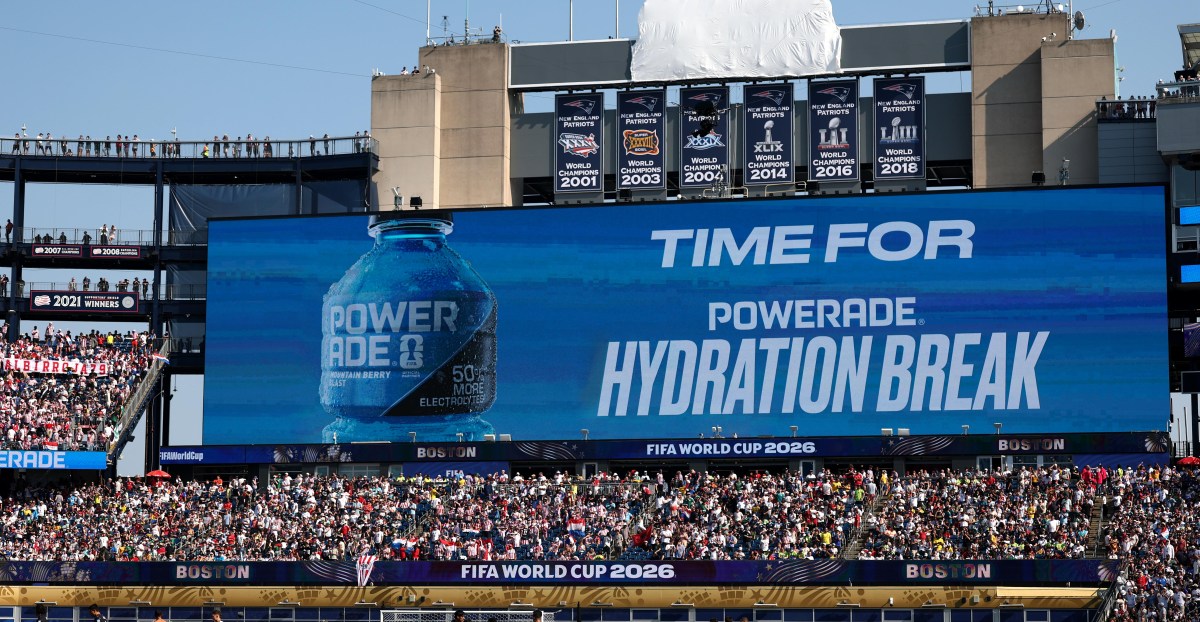
The Engineered Thirst
As global temperatures climb and ‘heat domes’ become a seasonal staple from the US Midwest to Europe, the urgency of staying hydrated has shifted from basic health advice to a lucrative market opportunity. A new wave of wellness influencers and ‘nutrition scientists’ on platforms like TikTok are now claiming that drinking plain water is not only insufficient but potentially ‘wrong.’
The narrative is consistent: water alone is a primitive tool. To truly hydrate, users are told they need ‘hydration multipliers’—proprietary blends of sodium, potassium, and glucose designed to optimize the body’s absorption of fluid. This marketing pivot transforms a biological necessity into a technical problem that requires a commercial solution.
The ‘Science’ of the Shilling
Brands like Liquid IV lead this charge by leaning heavily into the aesthetics of clinical research. Their marketing materials feature imagery of lab coats and references to ‘breakthrough technology’ and ‘clinical programs,’ creating a veneer of medical authority. The core claim is that water is the ‘least studied nutrient’ and that adding a specific ratio of electrolytes allows the body to retain fluid longer and rehydrate faster.
Technically, these claims are grounded in a grain of truth. Electrolytes—minerals like sodium, potassium, and magnesium—do maintain fluid balance and facilitate muscle contractions. When you sweat excessively during a marathon or suffer from severe dehydration due to illness, an electrolyte solution is medically appropriate. However, the wellness industry is applying this critical-care logic to the average person sitting in an air-conditioned office.
The Sodium Paradox
The most concerning aspect of the ‘optimal hydration’ trend is the disregard for the broader dietary context. Most electrolyte powders are heavily laden with sodium to ensure water retention. For instance, a single serving of Liquid IV can contain over 500mg of sodium, accounting for more than 20% of the daily recommended intake according to federal guidelines.
For the average American, who already consumes roughly 3,300mg of sodium per day—well above the CDC’s recommended limit of 2,300mg—adding these powders to every glass of water isn’t optimizing health; it’s contributing to a sodium surplus. Unless a user has a specific medical condition like Postural Orthostatic Tachycardia Syndrome (POTS) or is engaging in extreme athletic endurance, the electrolytes required for hydration are almost always present in a standard balanced diet.
Deconstructing the Wellness Playbook
The rise of the ‘hydration expert’ follows a predictable pattern often seen in the health-tech and wellness space: take a common-sense fact (the body needs electrolytes), introduce a fear or a ‘secret’ (plain water is inefficient), and offer a subscription or a product as the only viable fix. This is further complicated by pseudoscientific claims, such as the notion that ice water is dehydrating based on traditional Chinese medicine, a claim that lacks footing in contemporary physiology.
While these products have a legitimate place in a gym bag or a first-aid kit, they are being marketed as a replacement for the tap. The reality is that for the vast majority of people, hydration remains uncomplicated: the biological mechanism for processing water is highly efficient, and the ‘science’ of adding powder to it is often just a clever way to sell salt and sugar in an aesthetic packet.
Related Articles

The OMB’s Quiet Pivot: How a Rule Change Could Politicize $1 Trillion in Federal Research
A proposed 412-page OMB revision aims to align federal grants with presidential priorities, potentially ending the era of independent peer-reviewed science in the US.
Samsung Galaxy S26 Ultra: Pushing the Boundaries of Mobile Concert Photography
An in-depth look at how the Samsung Galaxy S26 Ultra's 200MP sensor, F1.4 aperture, and Galaxy AI are redefining low-light event photography and videography.

Space Force Outsourced: How True Anomaly and Rocket Lab Are Pioneering Orbital Reconnaissance
Private startups True Anomaly and Rocket Lab have demonstrated a high-stakes orbital rendezvous for the U.S. Space Force, signaling a shift toward commercial space security.
Comments (0)