Apple Cuts the Cord on Intel: macOS 27 ‘Golden Gate’ Ends Support for Legacy Mac Hardware
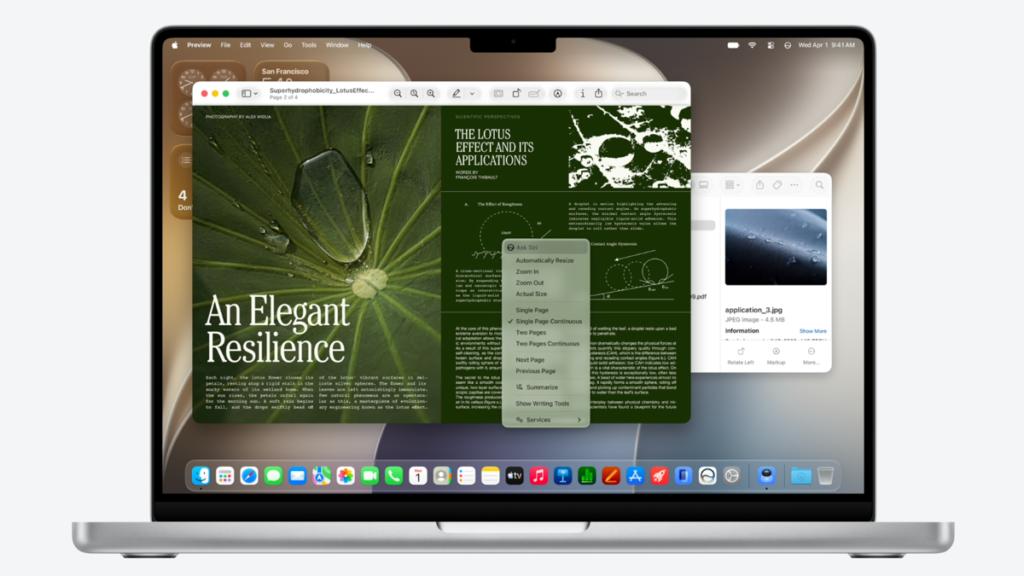
Table of Contents
The Final Transition to Apple Silicon
Apple has officially closed the chapter on the Intel era. During the opening keynote of WWDC 2026, the company unveiled macOS 27, internally codenamed “Golden Gate,” marking the first operating system in the Mac lineup to completely exclude Intel-based architecture from its compatibility list.
While Apple had signaled this transition during last year’s announcement of macOS 26—stating that the previous version would be the final release for Intel Macs—the reality of the cutoff is now official. For users still clinging to 2019-era MacBook Pros or the last of the Intel iMacs, the software ceiling has been reached. macOS 27 is designed exclusively for the M-series silicon, optimizing the OS for the unified memory architecture that defines Apple’s modern hardware strategy.
AI as the Catalyst for Hardware Exclusion
The decision to drop Intel support isn’t merely about age; it’s about the hardware requirements of the next generation of Apple Intelligence. macOS 27 introduces a deeply integrated Siri AI assistant and a suite of generative tools that rely heavily on the Neural Engine found in M-series chips.
According to the official technical specifications released by Apple, the new AI features require the specific tensor processing capabilities of the M-series to run locally on the device. Attempting to port these features to Intel CPUs would likely result in prohibitive latency and inefficient power draw, making a unified, silicon-only OS a necessity for Apple’s AI roadmap. Along with these AI leaps, macOS 27 introduces the “Liquid Glass” design language, a refined UI overhaul that offers deeper customization of the desktop environment and system transparency.
Which Macs are Supported?
The compatibility list for macOS 27 is straightforward: if it has an M-series chip, it’s in. This includes everything from the original M1 MacBook Air to the latest M4 Max iterations. Specifically, the following models will receive the update:
- MacBook Air: M1 (2020) and later
- MacBook Pro: M1 (2020) and later
- iMac: M1 (2021) and later
- Mac mini: M1 (2020) and later
- Mac Studio: All models
- Mac Pro: M2 Ultra (2023) and later
The “Grace Period” for Legacy Users
For those whose machines are now ineligible for Golden Gate, the situation isn’t an immediate blackout. Apple typically provides a window of security support for the previous two operating system versions. Users on macOS 26 will likely continue to receive critical security patches and firmware updates for approximately two more years, ensuring that legacy machines remain safe for web browsing and basic productivity.
However, these users will be locked out of any new feature sets, including the child safety tools and the expanded Siri capabilities debuting this fall. For professionals relying on the latest software API updates, the lack of macOS 27 support represents a hard deadline for hardware migration.
Availability and Beta Timeline
The rollout follows Apple’s standard developer cycle. Members of the Apple Developer Program can download the first beta of macOS 27 starting today. A public beta is scheduled for release next month, allowing a wider range of users to test the Liquid Glass interface and AI integrations before the final stable build launches this fall.