Diplomatic Friction in Doha: US Envoys Meet Qatari PM as Strait of Hormuz Security Threat Escalates
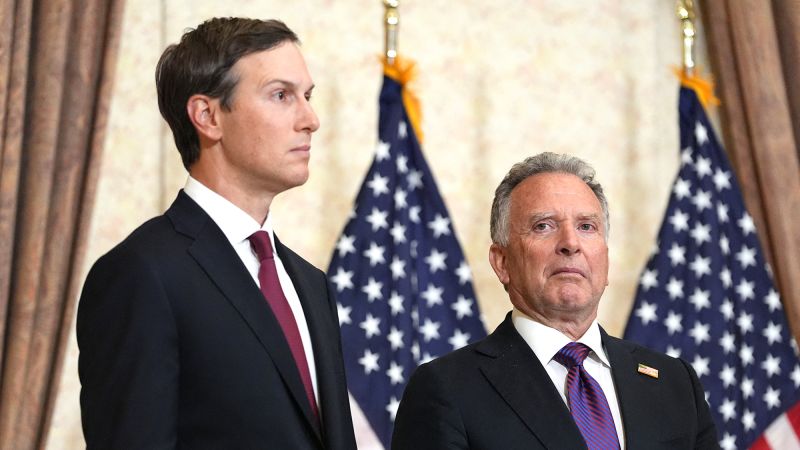
Table of Contents
A Delicate Balance in Doha
High-stakes diplomacy is once again centering on Qatar as US envoys Steve Witkoff and Jared Kushner met with Qatari Prime Minister Sheikh Mohammed bin Abdulrahman bin Jassim Al Thani on Tuesday. According to a statement from Qatar’s Foreign Ministry, the discussions focused on the ongoing negotiations between the United States and Iran, specifically operating under the framework of a memorandum of understanding intended to stabilize a region currently fraught with volatility.
While the Qatari government is positioning itself as the primary bridge for dialogue, the optics remain complicated. Despite the high-level meetings in Doha, there is a notable absence of direct, high-level engagement between US and Iranian officials. This gap suggests a strategy of cautious mediation, where the US utilizes Qatari channels to test the waters of a potential agreement without committing to a direct summit that could be politically costly for either administration.
The Hormuz Bottleneck: ‘Substantial’ Risks
The diplomatic maneuvering in Doha is taking place against a backdrop of deteriorating maritime security. The Joint Maritime Information Center has raised the security threat level for the Strait of Hormuz to “substantial,” citing an increased risk of naval mines and the necessity for clearance operations. The Strait remains one of the world’s most critical chokepoints for global energy and commerce, and any disruption here has immediate implications for global markets.
Adding a layer of complexity to the security situation, Oman has reportedly delivered a proposal to the US and its allies regarding the long-term future of the Strait. While commercial traffic has remained steady for the moment, the shift in threat classification indicates that intelligence agencies are monitoring specific Iranian capabilities or intentions that could jeopardize the free flow of shipping.
Internal Turmoil and Regional Spillovers
The geopolitical tension is compounded by the internal instability within Iran. The state is currently preparing a massive, multi-day funeral series for the late Supreme Leader Ali Khamenei, scheduled from July 4 to July 9. The delayed nature of these ceremonies—occurring months after his death on February 28—has fueled speculation regarding the health and stability of his successor and son, Mojtaba Khamenei. Detractors argue the delay is a calculated move by the Iranian state to artificially inflate attendance and project a sense of unity that may not exist.
This internal fragility in Tehran coincides with active conflict on the periphery. In southern Lebanon, the Israeli military continues targeted strikes against Hezbollah operatives, even as a US-brokered agreement was signed last Friday. The duality of signing a ceasefire while maintaining “demolition operations” in towns like Markaba and Beit Yahoun underscores the fragility of the current peace efforts.
As Iran and Qatar prepare for further talks this Wednesday, the primary agenda items are expected to be the implementation of the US-Iran agreement and the release of frozen Iranian assets. The outcome of these discussions will likely determine whether the ‘substantial’ threat in the Strait of Hormuz is a bargaining chip in negotiations or a precursor to further escalation.