Apple Hikes Hardware Prices by Up to 33% as AI Component Costs Spiral
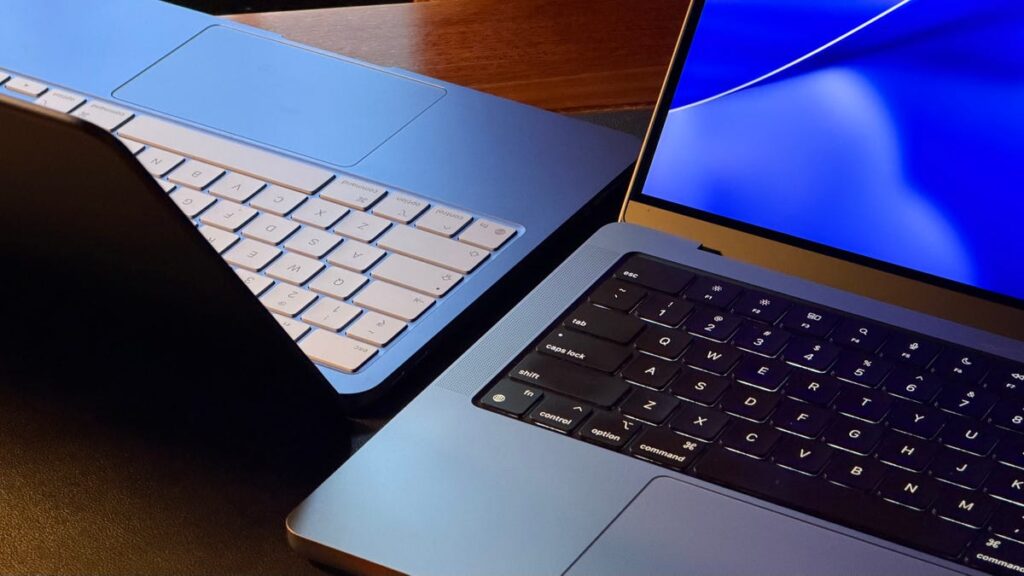
Table of Contents
A Costly Shift in the Apple Ecosystem
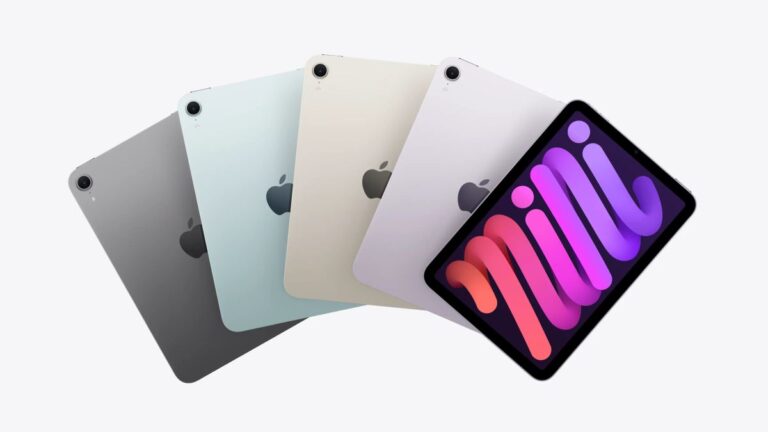
Apple has officially announced a broad price increase across its hardware portfolio, affecting everything from the entry-level iPad and Mac lineups to the high-end Vision Pro and HomePod series. The adjustments are stark, with some products seeing price jumps between 18% and 33%. In a move that signals a deeper systemic issue in the electronics supply chain, Apple is also raising prices on its refurbished inventory, removing one of the few remaining hedges for budget-conscious consumers.
The most visible casualty of this pricing shift is the MacBook Neo. Launched earlier this year as a strategic move to capture the student market and compete more aggressively with high-end Chromebooks, the Neo’s base price has climbed from $599 to $699. This $100 increase represents a significant percentage jump for a device specifically marketed as an affordable entry point into the macOS ecosystem.
The ‘AI Tax’ on Consumer Hardware
The catalyst for these hikes isn’t a simple desire for higher margins, but rather a volatile commodities market driven by the global AI gold rush. Outgoing CEO Tim Cook had previously signaled that these moves were “unavoidable,” linking the cost increases to the escalating compute requirements and material demands of artificial intelligence.
While Apple is not the primary driver of the generative AI software boom—leaving that territory largely to OpenAI, Anthropic, and Google—it is deeply intertwined with the hardware that powers it. The same HBM (High Bandwidth Memory) and advanced storage chips required for massive AI data centers are the same components that find their way into consumer laptops and tablets. As hyperscalers like Microsoft and Meta snap up available chip supply to fuel their LLMs, the cost of procurement for consumer-grade silicon has surged.
This trend is not unique to Cupertino. Industry peers, including Samsung and Microsoft, have implemented similar price adjustments as they grapple with the same supply chain bottlenecks. Apple’s recent deal with Intel in May to diversify its chip production was intended to mitigate some of these risks, yet the sheer scale of the AI-driven demand has seemingly overwhelmed these strategic buffers.
Revenue Growth vs. Consumer Accessibility
Despite the headwinds in the supply chain, Apple continues to show immense financial resilience. In its most recent earnings call, the company reported a 17% spike in revenue, suggesting that the brand’s pricing power remains potent. For Apple, the risk is not necessarily a drop in sales, but a potential erosion of its user base among students and first-time buyers who may now find the “budget” entry points prohibitively expensive.
For those looking to avoid the new MSRPs, the immediate window of opportunity lies in third-party retailers. With Amazon Prime Day approaching, deep discounts on older stock may provide a temporary reprieve before the new pricing structure fully saturates the retail market. However, with refurbished units also seeing hikes, the overall floor for Apple hardware is effectively being raised.