King Charles Abandons Buckingham Palace as Primary Residence Amid £369 Million Refit
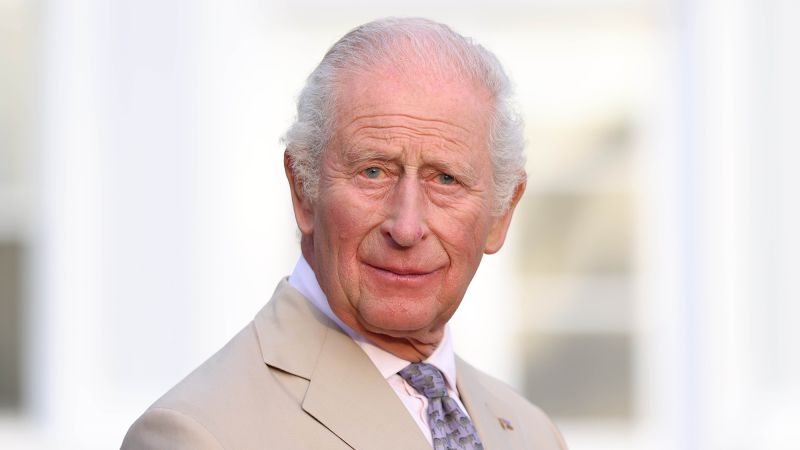
Table of Contents
A Shift in Royal Tradition
For nearly two centuries, Buckingham Palace has served as the primary London residence of the British monarch. However, that era is officially coming to an end. Royal officials confirmed on Thursday that King Charles III will not take up permanent residence at the landmark palace even after its massive, decade-long refurbishment is completed next year.
The decision marks a significant departure from the precedent set by Queen Victoria in 1837. Instead, the King has opted to remain at Clarence House, his longtime home in London. While the palace will continue to serve as the nerve center for the monarchy—hosting foreign dignitaries and ceremonial functions—it will no longer function as the sovereign’s daily home.
The Cost of Modernizing a Monument
The refusal to move back comes despite a staggering £369 million investment in the palace’s infrastructure. Since work began in 2017, the project has focused on the grueling task of bringing a 19th-century fortress into the modern era. The refit has involved the wholesale replacement of antiquated electrical wiring, leaking pipes, and failing heating systems—essential upgrades for a building that houses both the state’s highest offices and the royal family’s private quarters.
James Chalmers, the king’s treasurer and keeper of the privy purse, emphasized that while the sovereign won’t be living there full-time, the building remains “monarchy HQ.” The sovereign’s standard will still fly from the roof to signal the King’s presence in London, and the monarch will maintain private suites for occasional use. To justify the immense public and royal expenditure, Chalmers noted that public access to the palace will be expanded, though specific details on the new visitor arrangements remain undisclosed.
Unprecedented Financial Transparency
Parallel to the housing announcement, the royal household released a rare glimpse into the King’s private finances. In a move toward greater transparency following the death of Queen Elizabeth II in 2022, officials disclosed that King Charles paid £12.9 million ($17.04 million) in tax for the 2024/25 period. This disclosure places the monarch among Britain’s top 100 taxpayers.
Under British law, the sovereign is not legally obligated to pay income, capital gains, or inheritance taxes. However, since 1993, the monarchy has voluntarily complied with these taxes. The King’s income is derived largely from the Duchy of Lancaster, a private estate that provided £25.2 million in 2025/26, alongside various personal investments.
A Leaner Sovereign Grant
The financial disclosures also touched upon the Sovereign Grant, the government funding used for official travel, staffing, and palace maintenance. For the 2026/27 period, the grant is set at £137.9 million. In a strategic move to mitigate public criticism over royal spending, Chalmers announced that the grant will be reduced to £100 million for the 2027/28 fiscal year—the first cut in the grant’s history.
This funding level is expected to remain stable until 2031/32. Despite the upcoming cut, the grant remains approximately £60 million higher than it was in 2016, a discrepancy largely attributed to the funding formula adjusted to cover the Buckingham Palace refit. “This is not a blank cheque,” Chalmers asserted, insisting that safeguards are in place to keep the funding proportional to the monarchy’s duties.
The push for transparency extends to the next generation. Prince William, the heir to the throne, reported paying £7.76 million in tax for 2024/25. His office also revealed that £1.5 million in rent generated from a closed prison will be diverted to local community projects, an effort to counter long-standing criticism that the royal estates profit excessively from charging rent to public services and schools.