Oil Prices Plummet as US-Iran Deal Reopens Strategic Hormuz Strait
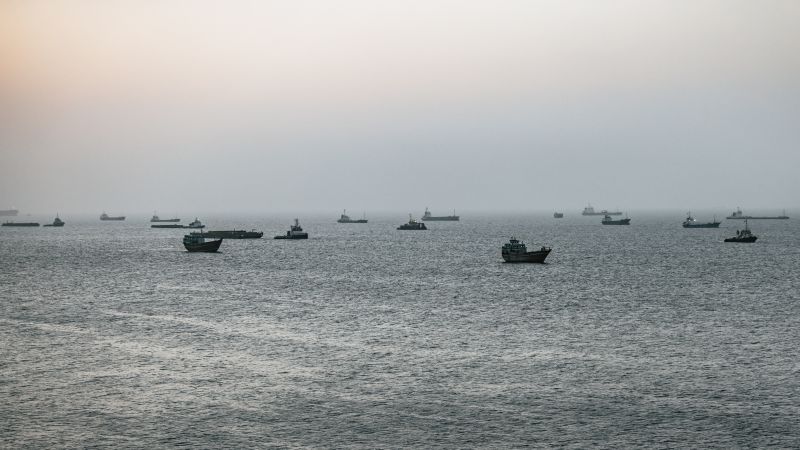
Table of Contents
Market Volatility Yields to Diplomatic Optimism
Global oil benchmarks have experienced a sharp correction, sliding to their lowest levels since the onset of the US-Iran conflict. The downturn comes after a period of extreme volatility and price surges triggered by the closure of the Strait of Hormuz, a critical chokepoint for the world’s energy supply. The current market slide is largely attributed to renewed optimism surrounding a fragile US-Iran agreement aimed at stabilizing the region and restoring maritime transit.
The impact of the deal is already visible in real-time logistics. According to data from MarineTraffic, vessel activity within the waterway has doubled over the last 24 hours. This surge marks the highest level of traffic the strait has seen since late February, signaling a rapid return to normalcy for tankers and commercial shipping that had previously been deterred by the threat of military escalation.
The Diplomatic Push in the Gulf
While the markets are reacting positively, the political landscape remains precarious. US Secretary of State Marco Rubio is currently on the ground in the Persian Gulf region, engaged in a high-stakes diplomatic tour. Rubio’s objective is to secure buy-in for the US-Iran agreement from key regional players, specifically the United Arab Emirates, Kuwait, and Bahrain.
These three nations are expected to be the most vocal skeptics of the deal. Historically, the UAE and Bahrain have viewed Tehran’s regional influence with deep suspicion, often preferring a policy of maximum pressure. Rubio’s presence in the region suggests that the US is attempting to create a unified front to ensure the agreement holds and that regional security guarantees are meaningfully addressed.
The Nuclear Deadlock: A Persistent Obstacle
Despite the progress in maritime trade and oil pricing, a significant friction point remains: the monitoring of Iran’s nuclear infrastructure. The transition from a temporary ceasefire to a long-term diplomatic framework is currently stalled by disagreements over inspection protocols.
The tension flared recently after Tehran issued a formal rejection of comments made by a senior United Nations official, who asserted that International Atomic Energy Agency (IAEA) inspectors would be granted full and unfettered access to Iranian nuclear sites. The Iranian government’s refusal to acknowledge these terms suggests a lingering distrust of the inspection process.
Conversely, officials from the Trump administration have claimed that Iran has already signaled approval for IAEA members to conduct site visits. This discrepancy between the official Iranian stance and the claims from Washington highlights a dangerous communication gap that could jeopardize the broader agreement if not resolved through transparent, verifiable diplomacy.
Implications for Global Energy Security
The rapid descent in oil prices reflects a “relief rally” in the energy markets. For months, traders had priced in a “war premium,” anticipating prolonged disruptions in the Hormuz Strait. With the waterway reopening, that premium has evaporated, providing temporary relief to global consumers and industries dependent on cheap crude.
However, energy analysts warn that the stability is contingent on the nuclear deadlock. If the IAEA is unable to verify the status of Iran’s nuclear program, the resulting political instability could trigger another wave of sanctions or military posturing, potentially sending oil prices back into a volatile upward trajectory.