Xiaomi pushes Mini LED into the mainstream with new TV FX series launch in India
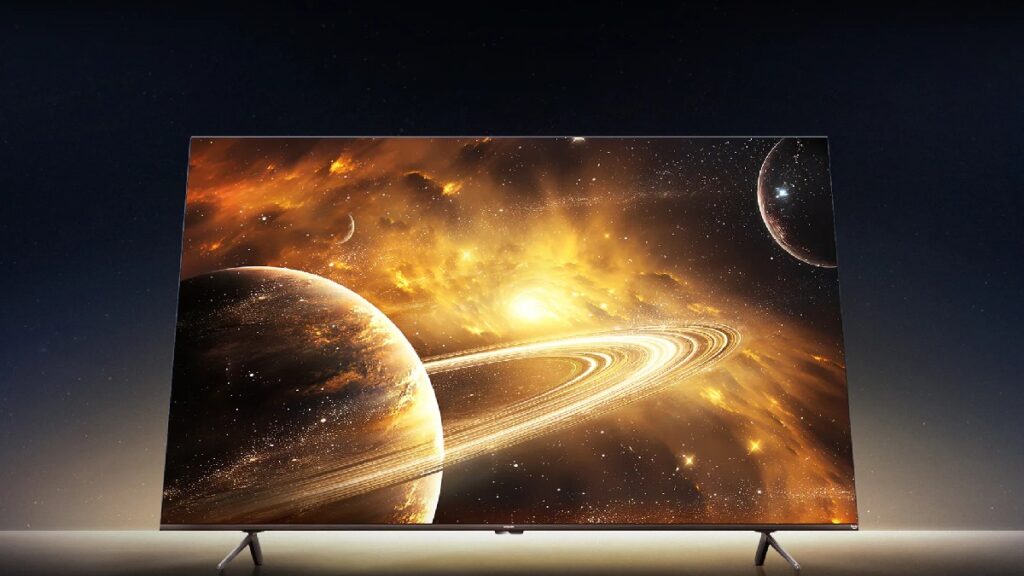
Table of Contents
A strategic push for high-contrast affordability
Xiaomi is making a concerted effort to democratize high-end display tech in the Indian market. The company has officially unveiled the TV FX Mini LED series, a lineup designed to bridge the gap between budget-friendly 4K panels and the prohibitively expensive OLEDs usually reserved for enthusiasts. Available in sizes ranging from 43 to 75 inches, the series represents a shift toward QD Mini LED (Quantum Dot Mini LED) technology, which aims to deliver the deep blacks of OLED without the risk of burn-in or the extreme pricing.
The core appeal of the FX series lies in its implementation of Full Array Local Dimming. By using smaller LEDs clustered in zones, the TV can shut off specific areas of the backlight to create deeper blacks and reduce the ‘blooming’ effect often seen in standard edge-lit LED TVs. When paired with Quantum Dots, the result is a significantly wider color gamut and higher peak brightness, making these sets viable options for bright Indian living rooms where glare is a constant battle.
For those who prioritize gaming, Xiaomi has introduced a DLG (Dual Line Gate) 120Hz mode on select larger variants. While not a native 120Hz panel across the entire range, DLG is a software-driven approach to boost the perceived refresh rate, reducing motion blur in fast-paced titles. It’s a pragmatic middle ground for casual gamers who want a smoother experience without paying the ‘gaming monitor’ premium.
The Fire TV pivot and hardware guts
One of the most notable shifts in the FX series is the deep integration of Amazon’s Fire TV OS. By moving toward the Fire TV ecosystem, Xiaomi is streamlining the user experience, offering a more polished interface and native Alexa integration that often outperforms generic Android TV skins. This move likely simplifies the smart home ecosystem for users already entrenched in the Amazon Alexa environment.
Under the hood, the hardware is focused on stability rather than raw power. The series is powered by a quad-core processor and 32GB of onboard storage. While 32GB is modest by smartphone standards, it is sufficient for a TV OS where the bulk of the heavy lifting is done via streaming apps. Dual-band Wi-Fi is standard across the range, ensuring that 4K HDR streams from platforms like Netflix or Disney+ Hotstar don’t suffer from frequent buffering.
Pricing and market positioning
Xiaomi is leaning heavily into aggressive pricing to capture market share from both domestic players and established Korean brands. The official pricing structure is as follows:
| Screen Size | Official Price | Introductory Offer Price |
|---|---|---|
| 43-inch | Rs. 32,999 | Rs. 29,999 |
| 55-inch | Rs. 44,999 | Rs. 39,999 |
| 65-inch | Rs. 64,999 | Rs. 59,999 |
| 75-inch | Rs. 84,999 | Rs. 79,999 |
The introductory discounts effectively undercut the competition by several thousand rupees, pushing the 43-inch model into the sub-30k territory—a psychological price point that is critical for volume sales in the Indian electronics market.
With HDR10+ support and Dolby Audio-backed speakers, the FX series covers all the necessary checkboxes for a modern home cinema setup. However, the real test will be how the local dimming algorithms hold up in real-world usage and whether the DLG 120Hz mode provides a meaningful upgrade for PS5 and Xbox Series X owners.