Apple Prepares for Post-Cook Era: Ternus Tapped for CEO Role with Mandate to Restore Design Edge
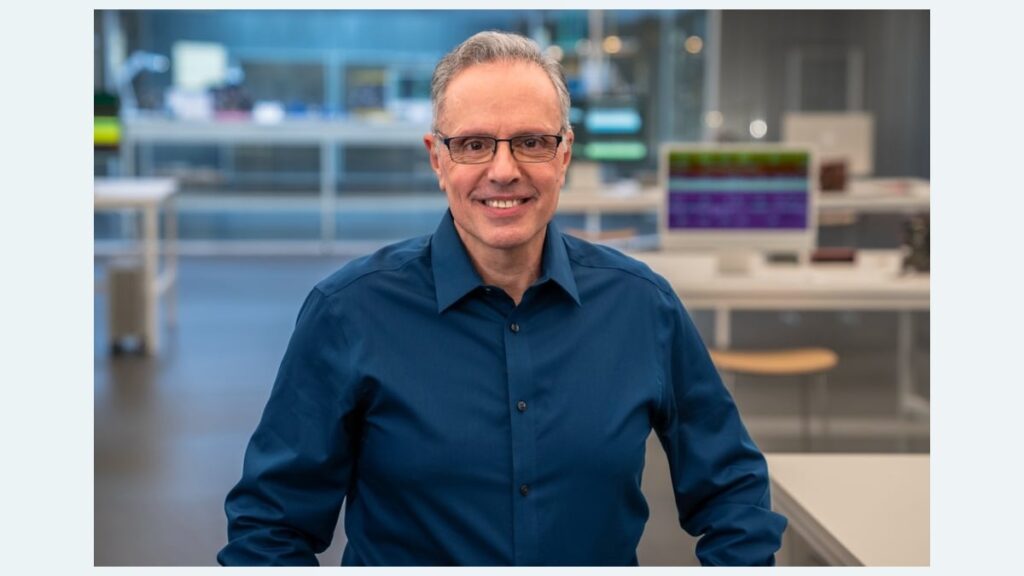
Table of Contents
A Shift in the Cupertino Power Structure
Apple is bracing for one of the most significant leadership transitions in its history. According to reports from Bloomberg’s Mark Gurman, Senior Vice President of Hardware Engineering John Ternus is slated to succeed Tim Cook as CEO on September 1. The transition marks more than just a change in personnel; it signals a fundamental shift in how the world’s most valuable company intends to balance its balance sheets against its blueprints.
For the past decade, the Tim Cook era has been defined by an unparalleled mastery of supply chain logistics and financial engineering. Under Cook, Apple transformed from a hit-driven product company into a diversified services and ecosystem powerhouse, delivering massive shareholder value through disciplined buybacks and a steady stream of iterative hardware updates. However, this operational excellence has come at a perceived cost to the company’s creative soul.
Returning to the ‘Cool’ Factor
In the latest edition of the Power On newsletter, Gurman suggests that Ternus’s primary directive will be to revitalize Apple’s design ethos. During the Steve Jobs era and the subsequent years under Jony Ive, the Industrial Design (ID) team operated as a sovereign entity within Apple, often dictating the direction of the company’s engineering and software teams. That hierarchy has shifted. The design department is now viewed by many industry insiders as less influential, stripped of the autonomy it once held, and producing devices that feel like refinements rather than revolutions.
Ternus, who has risen through the ranks of hardware engineering, represents a bridge between the rigid operational requirements of the Cook era and the ambitious product vision of the Jobs era. By placing a hardware lead at the helm, Apple is signaling a pivot away from the “financial engineering” mindset—where margins and SKU optimization take precedence—and returning to a focus on product engineering and raw innovation.
The Hardware Engineering Mandate
The appointment of Ternus suggests that Apple believes its current product lineup has hit a plateau of stagnation. From the incremental changes in the iPhone’s chassis to the struggle to find a winning form factor for the Vision Pro, the company has faced criticism that it is playing it too safe. The internal goal for the new CEO will likely be to make Apple products “cool again,” a phrase that in Cupertino translates to creating a hardware leap that feels inevitable yet surprising.
This transition comes at a critical juncture. With the integration of generative AI into iOS and the ongoing struggle to define the next era of spatial computing, Apple cannot afford a leadership vacuum or a continued reliance on iterative updates. Ternus will need to empower the design team once more, potentially restructuring the reporting lines to ensure that aesthetic and functional innovation can override short-term financial caution.
Bridging the Gap Between Margin and Magic
Industry analysts note that while Cook’s focus on services and ecosystem lock-in provided the financial cushion Apple enjoys today, the long-term health of the brand depends on its ability to lead in hardware. If Apple remains merely a provider of high-margin luxury electronics without a clear design trajectory, it risks losing the cultural prestige that allowed it to command premium pricing for twenty years.
As the September 1 deadline approaches, the internal focus at Apple Park is expected to shift toward a comprehensive review of the upcoming product roadmap. The question remains whether Ternus can successfully synthesize the operational discipline instilled by Cook with the disruptive creative energy that originally defined the company. For the first time in years, the design team may find themselves back at the center of the conversation.