US and Iran Establish Hormuz ‘Communication Line’ After Trump’s Brinkmanship Nearly Derails Switzerland Talks
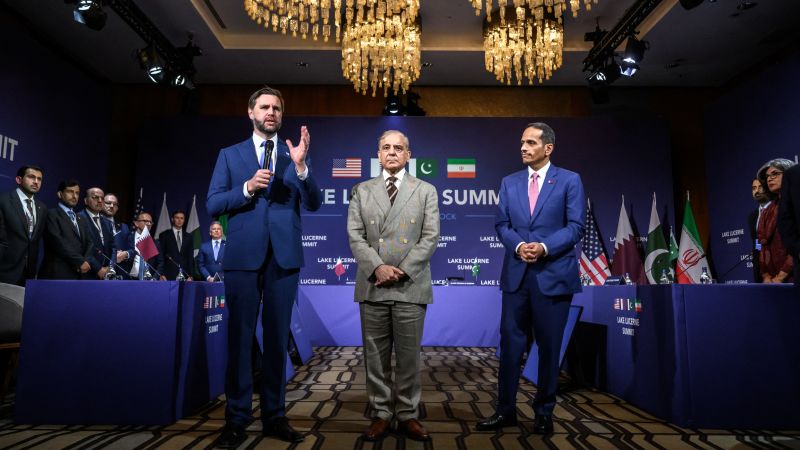
Table of Contents
A High-Stakes Pivot in Switzerland
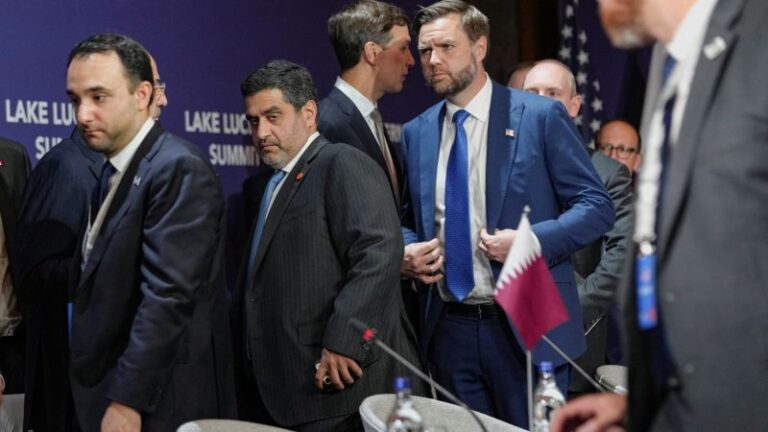
Diplomatic efforts to stabilize the volatile relationship between Washington and Tehran reached a precarious milestone this week in Switzerland. Mediators from Qatar and Pakistan have announced that the U.S. and Iran have agreed to establish a “line of communication” specifically designed to manage incidents in the Strait of Hormuz, a move aimed at preventing accidental military escalation in one of the world’s most critical oil transit chokepoints.
The agreement comes after a period of extreme volatility. Negotiations had nearly collapsed over the weekend after President Donald Trump suggested in a Fox News interview that the U.S. might “take over” the Strait of Hormuz and implement a toll system if a deal was not reached. The rhetoric prompted an immediate reaction from Tehran, with foreign ministry spokesperson Esmaeil Baghaei confirming that Iran initially refused to continue talks following the President’s threats.
Managing the Hormuz Chokepoint
The newly formed communication line is intended to operate for a 60-day window, as outlined in a preliminary memorandum. According to the joint statement from Qatar and Pakistan, the mechanism is designed to “avoid incidents and miscommunication” to ensure the safe passage of commercial vessels. In exchange, Iran has committed to using its “best efforts” to ensure commercial ships can transit from the Persian Gulf to the Sea of Oman without charges.
The Strait has long been Iran’s primary geopolitical lever. Just days before the breakthrough, Iran’s military command had threatened to close the waterway entirely, citing Israel’s ongoing military operations in Lebanon and a perceived failure by the U.S. to implement existing agreements. The resulting market instability saw oil prices climb sharply in response to the threat of a blockade.
Sanctions Waivers and Financial Thaw
While the maritime agreement provides immediate tactical stability, the broader deal includes significant economic concessions. Iranian Foreign Minister Abbas Araghchi announced via X (formerly Twitter) that sanctions on Iranian oil have been waived and that a portion of assets frozen abroad has been released. Araghchi further noted that a “major reconstruction and development plan for Iran” has been launched, though the specific financial scale and the identities of the frozen assets remain undisclosed.
To ensure these agreements are more than mere gestures, the mediators have proposed a High Level Committee. This body will provide political oversight and manage technical working groups focused on nuclear non-proliferation and the phased implementation of sanctions relief. These technical talks are scheduled to continue in Switzerland throughout the current week.
The Lebanon Variable
Despite the progress in Switzerland, a critical friction point remains: the conflict between Israel and Hezbollah in Lebanon. The two sides have agreed to create a “de-confliction cell,” facilitated by Qatar and Pakistan, to coordinate the cessation of military operations. This is a vital component for Tehran, as the Iranian government has consistently maintained that a lasting deal with the U.S. is impossible while Israeli strikes continue against Iranian-backed proxies.
Araghchi described the effectiveness of this de-confliction effort as the “first real test” of the current diplomatic thaw. With the 60-day window for the Hormuz communication line now active, the global energy market remains sensitive to whether this fragile peace can survive the unpredictable nature of the current U.S. administration’s approach to diplomacy.