Apple’s 2027 Roadmap: A 20th Anniversary iPhone, Foldables, and the Quest for ‘Ambient’ Hardware
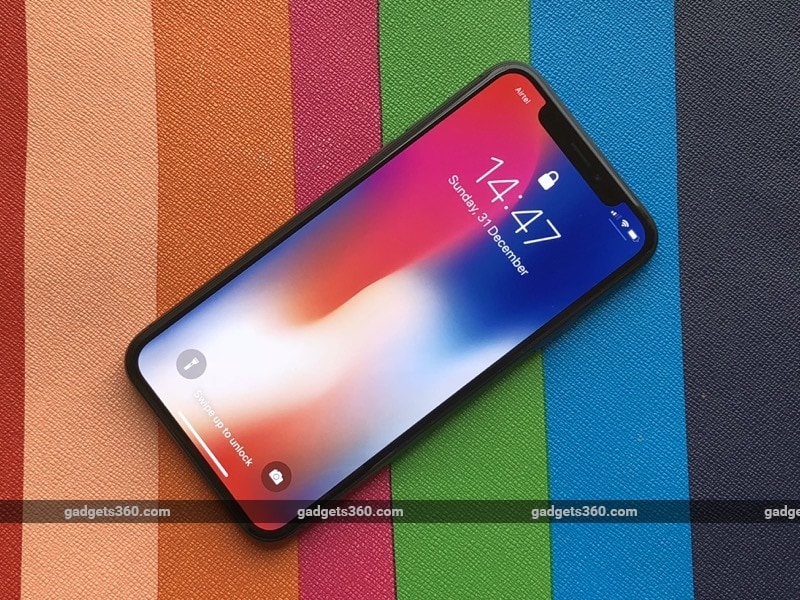
Table of Contents
The 2027 Pivot: Moving Beyond the Iterative Cycle
For the last decade, Apple has operated on a predictable cadence of incremental upgrades. We’ve seen the ‘S’ years, the transition to OLED, and the shift from Lightning to USB-C. However, 2027 is shaping up to be a systemic break from this pattern. According to internal reporting from Bloomberg’s Mark Gurman, Apple is treating the 20th anniversary of the iPhone not just as a marketing milestone, but as a catalyst for a fundamental hardware redesign.
The rumors suggest a coordinated push into three distinct areas: a visual overhaul of the flagship iPhone, the maturation of foldable technology, and the integration of visual sensors into the AirPods ecosystem. This isn’t just about new specs; it’s about Apple attempting to transition from a device-centric company to an ambient computing provider, where the hardware disappears into the background of the user’s life.
- The Anniversary iPhone: Expected to feature a wrap-around, edge-to-edge glass display, marking the first major aesthetic shift since the iPhone X.
- Foldable Maturity: A second-generation foldable iPhone is rumored for 2027, likely solving the ‘crease’ and durability issues of first-gen prototypes.
- Visual AirPods: Apple is exploring camera-integrated earbuds to provide first-person perspective data for Apple Intelligence and Vision Pro integration.
- Strategic Alignment: These releases align with a broader push toward ‘Ambient AI,’ where sensors capture real-world context without a handheld screen.
The 20th Anniversary iPhone: Breaking the Slab
Since the launch of the original iPhone in 2007, the ‘black slab’ has remained the dominant form factor. While the iPhone X introduced the notch and the iPhone 14 Pro brought the Dynamic Island, the physical chassis has remained largely conservative. The 2027 anniversary model is rumored to shatter this conservatism with a wrap-around display.
Technical reports suggest this involves curved glass that wraps around the sides of the device, potentially eliminating the traditional physical bezel. This is a high-risk move. We saw Samsung experiment with the ‘Edge’ displays years ago; however, Apple’s approach is rumored to be more comprehensive, focusing on a seamless, monolithic piece of glass that integrates touch inputs into the sides of the frame.
From an engineering perspective, this presents two massive challenges: structural integrity and accidental triggers. Curved glass is historically more prone to shattering upon impact, and side-mounted touch zones often lead to ‘ghost touches’ in pockets. Apple’s ability to solve these with a new titanium-glass hybrid alloy will be the deciding factor in whether this remains a prototype or becomes a retail reality.
The Foldable Gamble: Second-Generation Refinement
Apple’s absence from the foldable market has been a point of contention for analysts for years. While Samsung and Google have established a foothold, Apple has waited, likely due to its strict standards regarding hinge longevity and screen creasing. The 2027 roadmap indicates that a second-generation foldable iPhone could finally enter mass production.
Industry insiders suggest Apple isn’t looking for a simple ‘flip’ phone. The goal is likely a device that transitions from a standard smartphone to a compact tablet, mirroring the utility of the iPad mini. The ‘second-generation’ label is critical here; it implies that a first-gen version—perhaps a limited release or a high-end niche product—will have already paved the way to test consumer appetite and durability.
| Feature | Current iPhone Standard | Rumored 2027 Foldable |
|---|---|---|
| Display Type | Flat LTPO OLED | Flexible OLED with ultra-thin glass (UTG) |
| Form Factor | Static Rectangular | Clamshell or Book-style fold |
| Primary Use Case | General purpose/Handheld | Hybrid productivity/Tablet replacement |
| Durability Focus | Ceramic Shield | Hinge stress-testing & Crease mitigation |
Camera-Equipped AirPods: The Eyes of Apple Intelligence
Perhaps the most disruptive rumor is the integration of cameras into AirPods. This seems counterintuitive until you consider the trajectory of Apple Intelligence and the Vision Pro. For an AI to be truly helpful, it needs context. It needs to see what you see.
By placing a miniature camera on the stem of an AirPod, Apple creates a first-person POV feed. Imagine walking into a grocery store and your AirPods whispering, “You’re out of almond milk; it’s in aisle 4,” because the AI recognized the store and cross-referenced your Reminders list. This is the essence of ambient computing.
However, the privacy implications are staggering. A device that can record video discretely from the ear is a nightmare for privacy advocates. Apple will likely counter this with a highly visible recording LED—similar to the one on the Vision Pro—and on-device processing that ensures the video stream never leaves the local hardware unless explicitly permitted by the user.
The Synergy with Vision Pro
These camera-buds aren’t just standalone gadgets; they are likely designed as a bridge. If the Vision Pro is too bulky for all-day wear, the camera-AirPods could act as a ‘remote eye’ for the headset or provide a simplified AR overlay to a smartphone, allowing Apple to gather the spatial data it needs to refine its AR glasses for the general public.
What This Means for the Consumer
For the average user, the 2027 roadmap signals a shift from buying a tool to wearing an ecosystem. The 20th-anniversary iPhone is the ‘status’ symbol, but the AirPods and Foldables are the functional shifts. If you are someone who upgrades every three years, 2027 is the year to hold out for. We are moving away from the era of “more megapixels” and into the era of “more context.”
The practical implication is a reduction in screen time—counterintuitively—through the use of audio-visual AI. Instead of pulling out a phone to check a map or a list, the information is delivered via audio based on what the AirPods are seeing. The iPhone becomes the hub (the ‘brain’), while the wearables become the primary interface (the ‘senses’).
Market Impact and Competitive Dynamics
Apple’s 2027 push is a direct response to the stagnation of the smartphone market. Globally, smartphone shipments have fluctuated as users hold onto devices longer. By introducing a radical redesign and a new category of ‘visual wearables,’ Apple aims to trigger a massive upgrade cycle. This will put immense pressure on Samsung, which currently dominates the foldable space, and on AI startups trying to build wearable hardware like Humane or Rabbit, who lack Apple’s ecosystem lock-in.
Addressing the Technical Hurdles
No roadmap is without its risks. To achieve this 2027 vision, Apple must solve three specific technical bottlenecks:
- Battery Density: Adding a camera and a foldable screen consumes significantly more power. Apple will need a breakthrough in silicon-carbon batteries or a highly efficient new iteration of the A-series chips to maintain a full day of battery life.
- Thermal Management: Processing live video feeds on an AirPod stem generates heat close to the user’s head. New thermal dissipation materials will be required to prevent discomfort.
- Hinge Fatigue: For the foldable iPhone to succeed where others have struggled, Apple needs a hinge that can withstand 200,000+ folds without visible degradation of the OLED layer.
FAQ: Common Questions About Apple’s 2027 Plans
Will the anniversary iPhone be significantly more expensive?
While not officially confirmed, Apple typically prices its ‘special’ or redesigned models (like the original iPhone X) at a premium. Expect a new ‘Ultra’ or ‘Anniversary’ tier that sits above the current Pro Max pricing.
Are the camera-AirPods meant to replace the iPhone camera?
No. The AirPods cameras are intended for contextual AI and first-person snippets, not high-resolution photography. They are sensors for Apple Intelligence, not a replacement for the primary camera system.
When will the foldable iPhone actually be available?
Rumors point to 2027 for a wide release, though some reports suggest Apple may test a limited version as early as 2026. The 2027 date aligns with the broader hardware refresh cycle.
Will these devices be available in all regions?
Apple generally maintains global launches, but regulatory hurdles regarding camera-equipped wearables (privacy laws in the EU) may lead to staggered releases or disabled features in certain jurisdictions.
Is the ‘wrap-around display’ similar to the old Samsung Edge?
The reports suggest a more seamless integration. Rather than just curved edges, the goal is an ‘edge-to-edge’ experience where the glass may blend into the frame, creating a more monolithic look than the Edge series achieved.
The Verdict on Apple’s Ambition
Apple is playing a long game. By aligning these launches with the 20th anniversary of the iPhone, they aren’t just celebrating the past; they are attempting to define the next twenty years of mobile computing. The transition from a handheld device to a network of sensors (Foldable + Visual AirPods + Anniversary Hub) is the only way Apple can maintain its growth in a saturated market.
Whether the wrap-around glass is a practical innovation or a fragile gimmick remains to be seen, but the strategic intent is clear: Apple wants to own the space between your eyes and your ears. If they pull this off, the iPhone will stop being a phone and start being the remote control for a fully integrated, AI-driven life.