Russian Warship Fires Warning Shots at Yacht in English Channel: Maritime Tension Escalates
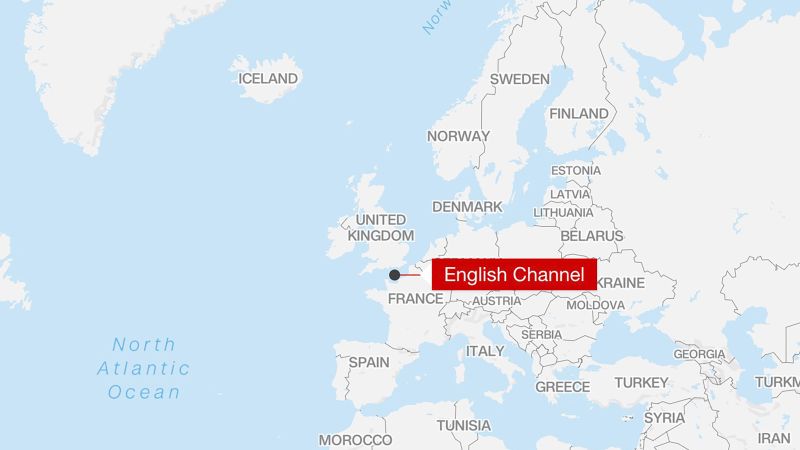
Table of Contents
The Incident: Warning Shots in the English Channel
The British Ministry of Defence (MoD) has launched a formal investigation into a high-tension encounter in the English Channel, where a Russian navy vessel reportedly fired warning shots at a UK-registered private yacht. The incident occurred approximately 20 miles south of the Isle of Wight, placing the encounter just outside the standard 12-nautical-mile limit of UK territorial waters, but within a highly monitored maritime corridor.
According to reports from the yacht’s crew, the vessel was targeted by a Russian warship in an escalation of aggression that has left maritime security experts questioning the current stability of the Channel. While no injuries or structural damage to the yacht have been reported, the presence of the Royal Navy’s HMS Mersey in the vicinity ensures that the UK has access to critical sensor data and visual telemetry to verify the claims.
- Direct Engagement: A Russian warship fired warning shots at a UK-registered yacht south of the Isle of Wight.
- Geopolitical Context: The event follows the British boarding of a sanctioned ‘shadow fleet’ tanker.
- Legal Status: The incident occurred outside UK territorial waters but within a contested zone of influence.
- Military Response: HMS Mersey was monitoring the Russian vessel, providing the MoD with primary intelligence.
Understanding ‘Warning Shots’ in International Maritime Law
In the context of naval engagement, a warning shot is a discharge of a weapon, typically a deck gun or heavy machine gun, aimed intentionally away from a target to signal a demand for compliance or to warn a vessel to change course. Under the 1982 United Nations Convention on the Law of the Sea (UNCLOS), the legality of such actions depends heavily on the vessel’s location and the perceived threat.
Because this incident occurred roughly 20 miles off the coast, the yacht was in international waters, specifically the Exclusive Economic Zone (EEZ). While the UK does not exercise full sovereignty here as it does within 12 nautical miles, it maintains significant security interests. For a Russian warship to fire shots—even warning shots—at a civilian vessel registered to a NATO member state is a breach of established norms of maritime conduct and an escalation of ‘gray zone’ warfare.
The ‘Shadow Fleet’ Connection: A Catalyst for Tension
Though official government sources are currently avoiding a direct link between this incident and other recent operations, the timing is critical. Just 48 hours prior to the warning shots, British armed forces conducted a high-stakes boarding operation of a sanctioned tanker in the Channel. This tanker is suspected of being part of Russia’s shadow fleet—a clandestine network of aging, uninsured tankers used to export Russian oil in violation of G7 price caps and international sanctions.
The shadow fleet operates by obfuscating ownership, frequently changing vessel names, and disabling Automatic Identification Systems (AIS) to avoid detection. By boarding these vessels, the UK and its allies are attempting to choke the revenue streams funding the conflict in Ukraine. The firing of warning shots at a civilian yacht may be interpreted by analysts as a ‘demonstration of presence’ or a retaliatory signal from the Kremlin, intended to remind Western powers of Russia’s willingness to operate aggressively in the Channel.
The Legal Battle Over Sanctioned Oil
The detention of the shadow fleet tanker has already moved into the judicial phase. An Indian national, serving as the ship’s captain, appeared in court on Tuesday. He faces charges related to the transport of Russian oil in direct violation of international sanctions. The court’s decision to hold the captain in jail underscores the severity with which the UK is now treating sanctions evasion as a criminal matter rather than a mere regulatory breach.
Technical Analysis: Monitoring the English Channel
The role of the HMS Mersey in this incident is pivotal. As a River-class minehunter, the Mersey is equipped with sophisticated sonar and surveillance capabilities. Its presence means the MoD isn’t relying solely on the yacht’s account but has access to electronic signatures and potentially radar logs of the Russian vessel’s maneuvers.
Modern maritime surveillance in the Channel utilizes a combination of Satellite AIS (S-AIS) and coastal radar. When shadow fleet vessels ‘go dark’ (turn off their transponders), the Royal Navy employs synthetic aperture radar (SAR) from satellites to track anomalies in the water. The interaction between the Russian warship and the yacht likely occurred in a region where both sides were actively attempting to monitor each other’s electronic emissions.
What This Means for Global Maritime Security
This event signifies a shift from passive surveillance to active confrontation in one of the world’s busiest shipping lanes. For the average observer, this may seem like an isolated incident with a private yacht, but for the shipping industry and defense analysts, it represents a dangerous precedent.
“The transition from monitoring to firing warning shots in international waters near a NATO coast is a clear signal of intent. It suggests a willingness to test the boundaries of Western patience and the rules of engagement in the English Channel.” — Maritime Security AnalystThe implications are three-fold:
- For Private Vessel Operators: Increased risk of harassment for vessels sailing in proximity to Russian naval assets.
- For International Trade: Potential for increased insurance premiums in the Channel if the region is deemed a ‘high-risk’ zone.
- For Geopolitical Strategy: A move toward ‘tit-for-tat’ escalations where the seizure of a commercial asset (the tanker) results in a military gesture (the warning shots).
Frequently Asked Questions
Is it legal for a warship to fire warning shots in international waters?
Generally, warning shots are used to enforce laws or protect security. However, firing at a civilian vessel without a clear threat or legal justification (such as suspected piracy or smuggling) is often viewed as an act of aggression under international law.
What is the ‘Shadow Fleet’?
The shadow fleet consists of older tankers, often with opaque ownership, used by Russia and Iran to bypass oil sanctions. These ships often lack proper insurance, posing a significant environmental risk to the English Channel in the event of a spill.
Where exactly did the incident happen?
The encounter took place approximately 20 miles south of the Isle of Wight. This is outside the 12-mile territorial limit but within the UK’s broader maritime area of interest.
Was the yacht damaged?
No. According to the reports, there were no injuries to the crew and no physical damage to the yacht; the shots were ‘warning’ shots intended to intimidate or signal, not to sink the vessel.
How is the UK responding?
The Ministry of Defence is conducting a formal investigation. The Royal Navy continues to monitor Russian naval movements in the region to prevent further escalations.
Final Analysis of the Escalation
The incident in the English Channel is a symptom of the broader conflict in Ukraine spilling over into the global commons. By targeting a civilian yacht, the Russian Navy is utilizing an asymmetrical tactic to create friction without triggering a full-scale military response. However, with the Royal Navy’s HMS Mersey providing a direct witness account, the UK is well-positioned to challenge the narrative at the international level. As the legal proceedings against the shadow fleet captain continue, the English Channel remains a volatile flashpoint where commercial law and naval aggression collide.
Related News