Motorola Debuts Moto G Max 5G: A Rugged Mid-Ranger With a 200MP Camera and Android 16
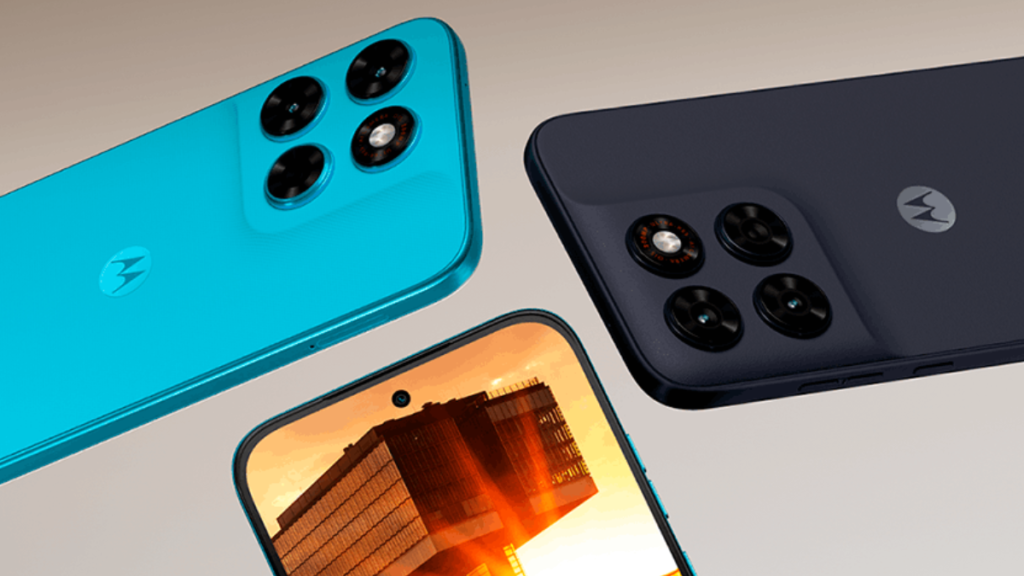
Table of Contents
The New Standard for Mid-Range Durability
Motorola has expanded its G-series portfolio with the official launch of the Moto G Max 5G, a device that attempts to bridge the gap between a standard consumer smartphone and a ruggedized industrial tool. Initially rolling out in select global markets, including Brazil, the device isn’t just another iterative update; it’s a statement on how far mid-range hardware can be pushed in terms of raw specifications, specifically regarding optics and physical resilience.
- Exceptional Resilience: Features triple IP ratings (IP66, IP68, IP69) and MIL-STD-810H certification.
- High-Res Imaging: Anchored by a massive 200MP main sensor for detailed mid-range photography.
- Next-Gen Software: Ships with Android 16-based Hello UI, positioning it as a software leader in its price bracket.
- Display Power: A 6.8-inch 1.5K AMOLED panel reaching a staggering 5,000 nits peak brightness.
For those tracking Motorola’s strategy, the Moto G Max 5G represents a shift. While the G-series has historically been about “value for money,” the Max variant pushes into “over-engineered” territory. Launching at BRL 2,519.10 (approximately $450 USD / ₹47,000), it targets users who need a device that can survive a construction site but still take a professional-grade photo of a project.
Technical Deep Dive: Performance and Display
Under the hood, the Moto G Max 5G is powered by a 4nm octa-core chipset from the MediaTek Dimensity 6000 series. While not a flagship Snapdragon 8 series chip, the 4nm process is critical here. It ensures that the device maintains thermal efficiency even when driving the high-resolution display, and it significantly extends the life of the 5,200mAh battery.
The memory configuration is streamlined: a single variant featuring 8GB of LPDDR4X RAM and 256GB of UFS storage. While some might wish for a 12GB option, 8GB remains the sweet spot for the Dimensity 6000’s processing capabilities, preventing bottlenecks in multitasking.
The 5,000 Nits Display Breakthrough
The most striking hardware feature is the 6.8-inch 1.5K Super HD (1,272×2,772 pixels) Extreme AMOLED display. While 120Hz is now standard in this segment, the 5,000 nits peak brightness is an industry-leading figure for a mid-range phone. To put this in perspective, most flagship phones hover around 2,000 to 3,000 nits.
This level of brightness is designed specifically for outdoor visibility. Whether you’re under direct equatorial sunlight or in a high-glare environment, the 1.5K resolution ensures text remains sharp without the battery drain associated with a full 4K panel. The inclusion of Corning Gorilla Glass 7i adds a layer of scratch resistance that complements the phone’s rugged nature.
Imaging: The 200MP Question
Motorola has equipped the Moto G Max 5G with a dual rear camera setup, headlined by a 200-megapixel main sensor. In the world of smartphone photography, megapixels are often a vanity metric, but at 200MP, the goal is usually pixel binning. By combining 16 pixels into one large “super pixel,” the camera can capture significantly more light in low-light environments while maintaining a high-resolution output for daylight shots.
The secondary sensor provides supporting wide-angle or depth capabilities, but the 200MP shooter is the star. For the user, this means the ability to crop deeply into a photo without losing critical detail—essentially providing a digital zoom that outperforms standard mid-range sensors.
Ruggedization and Environmental Protection
Where the Moto G Max 5G truly separates itself from the competition is in its certifications. Most “water-resistant” phones carry an IP68 rating, which covers immersion in fresh water. The Moto G Max 5G goes further:
- IP66: Protection against high-pressure water jets.
- IP68: Standard immersion protection.
- IP69: Protection against high-pressure, high-temperature water sprays (essentially steam cleaning).
- MIL-STD-810H: A US Military Standard that verifies the device can withstand shocks, vibrations, and extreme temperature fluctuations.
This makes the device a viable alternative to dedicated rugged phones from brands like Cat or Doogee, but with the added benefit of a sleek AMOLED screen and a modern UI.
What This Means for the Consumer
The launch of the Moto G Max 5G signals that the “rugged phone” market is evolving. Previously, you had to choose between a brick-like device with a poor screen or a beautiful phone that shattered upon first impact. Motorola is offering a third path: a high-spec, visually appealing device that happens to be nearly indestructible.
For the average user, the 33W fast charging via USB-C paired with a 5,200mAh battery means roughly two days of moderate use. For the power user or field worker, the combination of Android 16 and a high-brightness screen transforms the device into a reliable field tool. The jump to Android 16 (Hello UI) is particularly noteworthy, as it suggests Motorola is prioritizing the latest software iterations to keep the device relevant for years to come.
Comparative Market Positioning
| Feature | Moto G Max 5G | Typical Mid-Range Rival | Rugged Specialized Phones |
|---|---|---|---|
| Display | 1.5K AMOLED (5,000 nits) | FHD AMOLED (1,200-2,000 nits) | HD/FHD LCD (600-800 nits) |
| Main Camera | 200MP | 50MP / 64MP | 12MP / 48MP |
| Durability | IP69 + MIL-STD-810H | IP54 / IP67 | IP68 / IP69K |
| Battery | 5,200mAh | 5,000mAh | 10,000mAh+ |
Software and User Experience
Running on Hello UI (based on Android 16), the Moto G Max 5G promises a cleaner experience than many of its competitors. Motorola has historically leaned toward a “near-stock” Android experience, and the Hello UI continues this trend by adding utility-focused features without the heavy bloatware often found in other mid-range skins.
The integration of 5G connectivity ensures that the device remains future-proof, supporting the latest bands for faster data speeds and lower latency, which is critical for users who rely on cloud-based tools in the field.
Frequently Asked Questions
Is the Moto G Max 5G available in the US?
Currently, the device has been launched in select global markets, with Brazil being a primary launch point. Motorola has not yet officially announced a US or Indian release date, though G-series devices typically follow a staggered global rollout.
Does the 200MP camera outperform flagship phones?
While 200MP provides incredible detail in well-lit environments, image quality is also determined by sensor size and software processing. It will likely beat most mid-rangers, but flagship devices from Samsung or Google still maintain an edge in dynamic range and color accuracy.
What is the difference between IP68 and IP69?
IP68 protects against long-term immersion in water. IP69 is a higher standard that protects against high-pressure, high-temperature water jets, which is why the Moto G Max 5G is suitable for industrial environments.
How fast does the 5,200mAh battery charge?
The device supports 33W wired fast charging. While not the fastest in the industry, it provides a balanced charge speed that preserves battery health over a longer lifespan.
Is Android 16 already available for other phones?
Android 16 is the latest iteration of Google’s mobile OS. The Moto G Max 5G is among the early devices incorporating this version via Motorola’s Hello UI, offering the latest security and feature updates.
Final Assessment
The Moto G Max 5G is a curious and compelling device. It doesn’t try to be the fastest phone in the world, but it tries to be the most reliable and versatile in its price bracket. By combining a professional-grade 200MP camera with an almost indestructible chassis and an industry-leading display, Motorola has created a device that appeals to both the “adventure” crowd and the professional workforce. At its current price point, it offers a unique value proposition that is hard to find in the current smartphone landscape.