Strait of Hormuz Shutdown and Airspace Closures Signal New Phase of U.S.-Iran Escalation
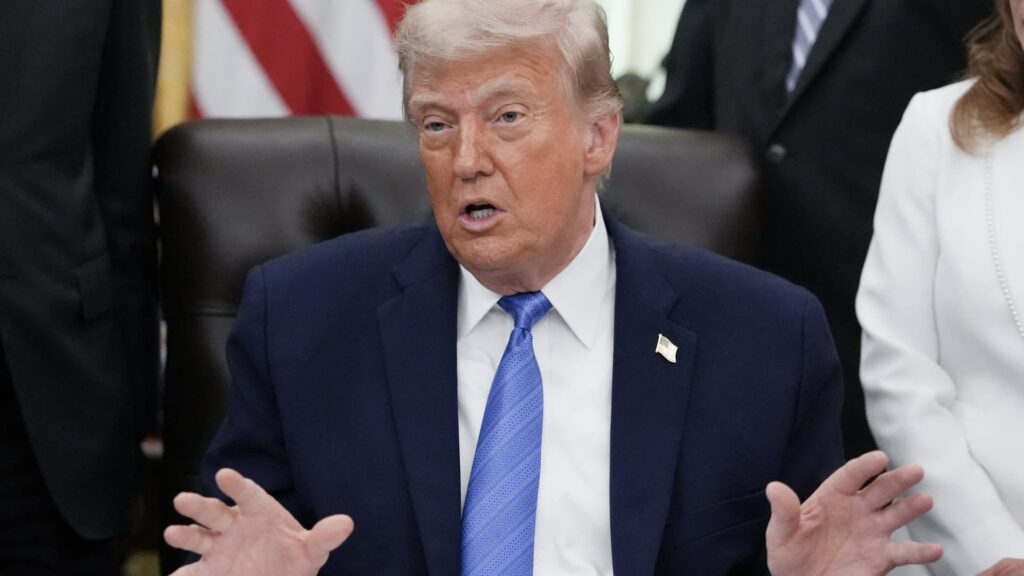
Table of Contents
A Regional Lockdown in Real-Time
The Middle East entered a state of acute military volatility Thursday as Kuwait shuttered its airspace and Iran declared a total closure of the Strait of Hormuz. The rapid escalation follows a series of targeted U.S. strikes directed by President Donald Trump, aimed at degrading Iranian military infrastructure. The sequence of events suggests a shift from contained skirmishes to a broader regional confrontation, with multiple sovereign nations now actively intercepting aerial threats.
Kuwaiti authorities confirmed the closure of their airspace in response to what they termed “Iranian aggressions,” reporting the interception of “hostile aerial targets.” Simultaneously, Israel’s Home Front Command issued warnings to communities in the north, signaling potential launches originating from Lebanon. This multi-front tension indicates that the conflict is no longer a bilateral dispute between Washington and Tehran, but a regional contagion affecting key logistics hubs.
The Strategic Target List
According to U.S. Central Command (Centcom), the strikes were executed at 9:04 p.m. ET Wednesday. The operation was specifically designed to dismantle Iranian military surveillance capabilities, communication networks, and air defense sites. Centcom maintained that these targets posed an immediate threat to U.S. personnel and the security of international commercial shipping lanes.
The Iranian response has been swift and asymmetric. State-run Tasnim news agency reported that Iran successfully struck and destroyed 18 critical targets at U.S.-operated facilities, including the Ali Salem and Ahmad al-Jaber air bases in Kuwait and the Sheikh Issa air base in Bahrain. In Bahrain, the interior ministry confirmed that sirens were activated, urging civilians to seek immediate shelter as the engagement intensified.
The Hormuz Choke Point
Perhaps the most critical development for global markets is the reported total closure of the Strait of Hormuz. While Iranian state media initially reported missile and drone attacks on U.S. ships in the region, Reuters later confirmed that Iran’s top military command has effectively blocked the strait. Any vessel attempting to transit the waterway—a conduit for roughly one-fifth of the world’s total oil consumption—is now reportedly subject to targeting.
Economic Shockwaves and the ‘Oil Gamble’
The intersection of military action and energy markets has triggered immediate financial instability. U.S. crude futures climbed nearly 2% to $89.72 per barrel, while Brent rose to $92.74. The Dow Jones Industrial Average reacted sharply to the uncertainty, dropping more than 600 points following the President’s public remarks.
President Trump, speaking to Fox News and during a White House event for the Secure America Act, maintained that the military pressure is a tool to force Tehran into a “meaningful” deal. Despite the current spike, Trump asserted that oil prices would eventually return to pre-conflict levels once the operations conclude. However, industry analysts offer a grimmer projection. Claudio Galimberti, chief economist at Rystad Energy, warned CNBC that with inventories at historic lows, crude could surge to $150 per barrel if the fighting persists.
The Catalyst: A Downed Apache
The current spiral of violence appears to have been triggered by the downing of a U.S. Army Apache helicopter on Tuesday. While the U.S. maintains this event necessitated the retaliatory strikes, Iran has remained ambiguous. The Iranian state broadcaster, IRIB, claimed no offensive operations were conducted in the strait during the preceding 24 hours, and the Iranian Foreign Ministry has declined to provide an official comment.
The rhetoric from Tehran suggests a willingness to expand the theater of war. Ebrahim Azizi, head of the national security commission in Iran’s parliament, stated via X that the current conflict “won’t be limited to the region,” signaling a potential shift toward globalized disruptions.