Apple’s Quiet WWDC26 Strategy Is a Calculated Pivot From Hype to Utility
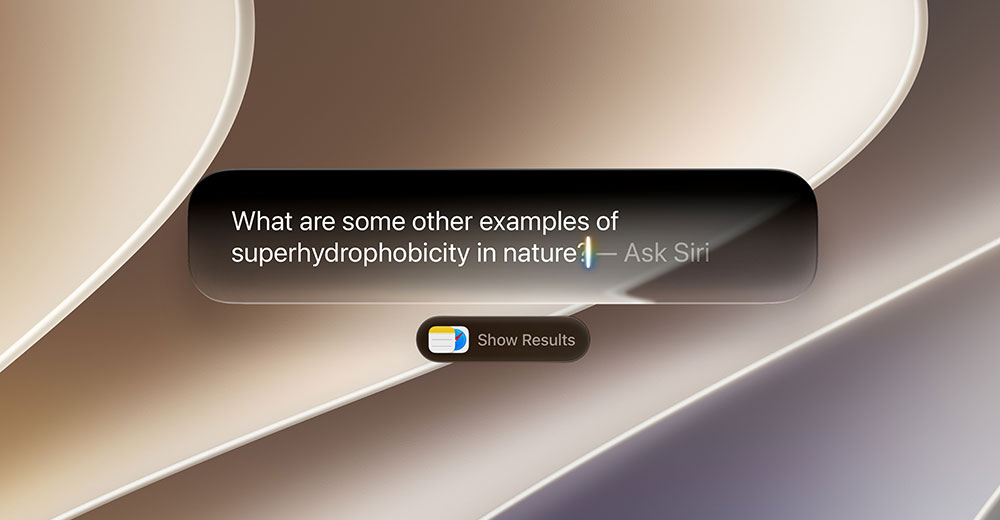
Table of Contents
The End of the ‘One More Thing’ Era
For years, the Worldwide Developers Conference (WWDC) served as Apple’s grand stage for paradigm shifts—the introduction of the iPhone, the unveiling of the Apple Watch, or the pivot to Apple Silicon. However, WWDC26 felt fundamentally different. There were no holographic displays, no shocking hardware pivots, and very little of the performative excitement that usually defines Tim Cook’s keynotes. To the casual observer, it was a boring event. To the industry, it was a signal that Apple has moved from the ‘discovery’ phase of its AI journey to the ‘deployment’ phase.
The lack of flash wasn’t an accident; it was a strategic choice. After the initial frenzy surrounding the launch of Apple Intelligence, the company found itself in a precarious position: promising a future of seamless AI integration while the actual user experience remained fragmented across different regions and device tiers. WWDC26 was designed to close that gap, focusing on the unglamorous work of refining latency, improving on-device processing, and expanding language support rather than chasing the next viral demo.
Prioritizing Stability Over Spectacle
The meat of the presentation focused on the plumbing of the ecosystem. Apple spent a significant portion of the event detailing how the latest iterations of Siri now handle complex, multi-step requests with a lower failure rate. While competitors like Google and OpenAI have been pushing the boundaries of generative multimodal capabilities, Apple is doubling down on deterministic utility—ensuring that when a user asks to move a calendar invite and send a summary to a colleague, it happens without a hallucination.
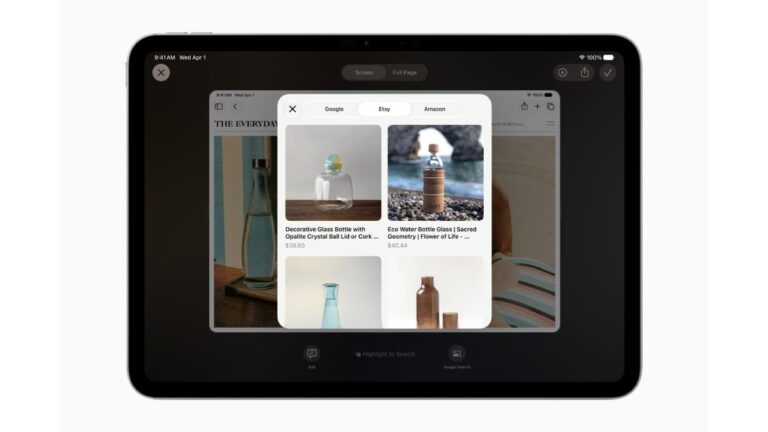
This shift is particularly evident in the updated developer APIs. Instead of introducing a completely new framework, Apple expanded existing ones to allow third-party apps to integrate more deeply with the system-wide AI. This is a pragmatic move. By making the AI tools invisible and intuitive rather than foregrounded and flashy, Apple is attempting to avoid the “AI fatigue” currently hitting the consumer market.
The Hardware Handshake
There were whispers of a new category of device or a radical redesign of the iPad, but those remained absent. Instead, the focus remained on the silicon. The emphasis was placed on how the neural engine in the latest M-series and A-series chips is now optimized specifically for the transformer models that power Apple Intelligence. This suggests a long-term play: Apple isn’t trying to win the LLM (Large Language Model) arms race in terms of raw parameter count, but rather in terms of performance-per-watt on a handheld device.
A Mature Approach to the AI Cycle
The restraint shown at WWDC26 reflects a broader trend among Big Tech. The era of “AI for the sake of AI” is ending, replaced by a demand for features that actually solve problems. By stripping away the theatricality, Apple is signaling to investors and users that the foundation is finally set. They are no longer reacting to the pressure of the generative AI boom; they are integrating it into their existing moat of hardware and software synergy.
If the previous few years were about proving that Apple could play the AI game, WWDC26 was about proving they can manage it. The event didn’t provide the dopamine hit of a new product category, but it provided something more valuable for the long term: a roadmap of reliability. For the developers in the room, the message was clear—stop building AI wrappers and start building deeply integrated system experiences.