Oil, War, and a Rare Endorsement of Inflation: Trump’s Economic Logic Amid Iran Crisis
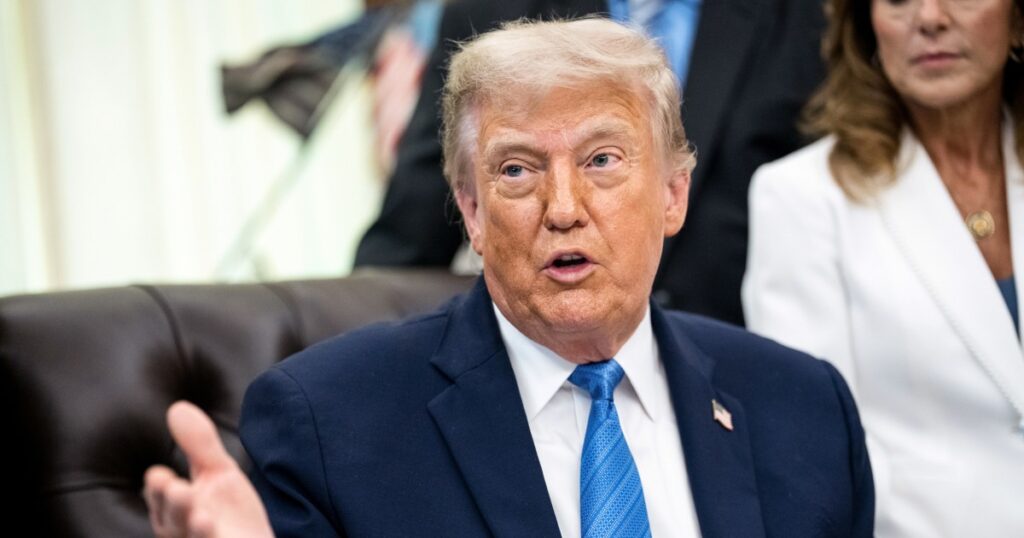
Table of Contents
A Counterintuitive Stance on Rising Costs
In a rhetorical shift that has blindsided both economic analysts and political opponents, President Donald Trump spent Wednesday praising the very metric that typically sinks administrations: inflation. Speaking to reporters following the release of new economic data, Trump explicitly stated, “I love the inflation,” framing the current surge not as a systemic failure, but as a temporary byproduct of geopolitical volatility that he believes he can resolve.
The comment comes at a precarious moment for the U.S. economy. New data from the Bureau of Labor Statistics shows the annual inflation rate in May jumped to 4.2%, a significant climb from 2.4% a year ago and a 0.5% increase over April. This marks the highest rate seen since early 2023, creating a stark contrast to the President’s optimistic framing.
Trump’s logic centers on the ongoing conflict with Iran, which began on February 28. He argued that once the war concludes, prices will “come down like a rock,” specifically citing the administration’s clandestine efforts to move oil tankers through the Strait of Hormuz—a critical maritime chokepoint where tensions have spiked, directly impacting global energy costs.
The Wage Gap and the ‘Real’ Economy
While the President focuses on the eventual decline of prices, the immediate data reveals a tightening squeeze on American households. For the second consecutive month, inflation has outpaced wage growth, a trend that suggests the “cost of living crisis” is intensifying despite official narratives of resilience.
According to the Bureau of Labor Statistics, real average weekly earnings dipped 0.2% last month and have fallen 0.7% from a year ago. This represents the steepest year-over-year decline in real earnings since February 2023. When prices for essentials rise faster than paychecks, the resulting loss in purchasing power creates a psychological and financial burden that is difficult to offset with predictions of future stability.
The political fallout was immediate. Senate Minority Leader Chuck Schumer and Senator Elizabeth Warren both criticized the remarks, suggesting a disconnect between the White House and the reality of American kitchen tables. However, the administration has already begun the process of walking back the phrasing. Trump later told the New York Post that his comments were taken out of context, clarifying that he “loved” the fact that the numbers weren’t even higher than they could have been, claiming they were “much lower than anticipated.”
Geopolitics Over Domestic Finance
This episode is not an isolated instance of Trump prioritizing strategic goals over short-term economic pain. In a series of candid remarks throughout May, the President suggested that American finances were not his primary focus while negotiating a peace deal with Iran. On May 12, he stated that the only thing that truly mattered was ensuring Iran “can’t have a nuclear weapon,” later describing his admission that he wasn’t thinking about domestic finances as a “perfect statement.”
This approach stands in direct opposition to his own campaign promises, where he pledged to slash energy prices by half within a year of returning to office. The tension between his identity as a “deal-maker” in global conflict and his role as the chief economic steward is becoming more apparent as the November midterm elections approach.
Recent polling reflects this tension. An NBC News survey from April indicated that only 32% of Americans approve of the President’s handling of inflation, while 68% express disapproval. With the economy cited as the top issue for voters, the administration’s attempt to frame inflation as a manageable side effect of a larger military and diplomatic victory remains a high-stakes gamble.
House Speaker Mike Johnson has attempted to pivot the conversation toward other positive economic indicators, though he conceded that gasoline prices remain a primary pain point for the electorate. For now, the White House is betting that a swift resolution to the Iran conflict will provide the “rock-like” drop in prices necessary to salvage its economic narrative before the midterms.